
Competitor Comparison
tl;dv vs Krisp
 tl;dv
 Krisp
Comparing tl;dv and Krisp technical specifications. Every tl;dv and Krisp spec is footnoted. Compare with Oyma vs tl;dv and Oyma vs Krisp on macOS.
choose tl;dv if
- You prioritize built for team collaboration: shared libraries, multi-meeting reports and coaching.
- You value cloud execution and tl.
- You prefer tl;dv's operational architecture over Krisp's model.
choose krisp if
- You prioritize best-in-class noise cancellation that works in any call app.
- You value hybrid execution and krisp cloud (60 gb storage on advanced).
- You prefer Krisp's operational architecture over tl;dv's model.
At a glance
| Feature | tl;dv | Krisp |
|---|---|---|
| Where it runs | tl;dv: In the cloud(tl;dv where it runs source) | Krisp: Device and cloud(Krisp where it runs source)Noise cancellation on-device; homepage says English transcription on-device and 15 other languages server-side. |
| Storage format | tl;dv: tl;dv cloud(tl;dv storage format source) | Krisp: Krisp cloud (60 GB storage on Advanced)(Krisp storage format source) |
| Plain Markdown files | tl;dv: No(tl;dv plain markdown files source)unverified: export formats not checked. | Krisp: No(Krisp plain markdown files source)unverified: export formats not checked. |
| Meeting recording | tl;dv: Bot or no bot(tl;dv meeting recording source)Bot for Zoom, Meet and Teams; a bot-free desktop recorder ("NO BOT REQUIRED"). | Krisp: Bot or no bot(Krisp meeting recording source)Bot-free by default; optional bot recording. |
| On-device transcription | tl;dv: No(tl;dv on-device transcription source) | Krisp: Yes(Krisp on-device transcription source)unverified: homepage says English transcription is on-device, but the pricing page lists on-device transcription as an Enterprise feature. |
| AI integration | tl;dv: AI notes, multi-meeting reports, coaching, CRM integration(tl;dv ai integration source) | Krisp: AI meeting notes, summaries and action items; accent conversion and translation(Krisp ai integration source) |
| Works offline | tl;dv: No(tl;dv works offline source)Cloud processing; the mobile app can record offline and sync later. | Krisp: No(Krisp works offline source)Noise cancellation works locally; notes and non-English transcription need the cloud. |
| Wikilinks & backlinks | tl;dv: No(tl;dv wikilinks & backlinks source) | Krisp: No(Krisp wikilinks & backlinks source) |
| Plugins / integrations | tl;dv: Zapier on Pro; native Salesforce and HubSpot on Business(tl;dv plugins / integrations source) | Krisp: Salesforce and ConnectWise on Advanced; developer SDK(Krisp plugins / integrations source) |
| Mobile apps | tl;dv: Yes(tl;dv mobile apps source) | Krisp: Yes(Krisp mobile apps source) |
| Platforms | tl;dv: Web, Desktop app, iOS, Android(tl;dv platforms source) | Krisp: macOS, Windows, iOS, Android(Krisp platforms source) |
| Free plan | tl;dv: Free €0(tl;dv free plan source)unverified: free-plan limits not shown to text extraction; a competitor (claap.io) reports 90-day retention and 10 lifetime AI summaries. | Krisp: No free plan; 7-day free trial(Krisp free plan source) |
| Paid plans from | tl;dv: Pro: €18/month billed annually (€216/yr), €29 monthly(tl;dv paid plans from source)Prices shown in EUR; USD pricing unverified. | Krisp: Core: $8/user/month billed annually, $16 monthly(Krisp paid plans from source) |
tl;dv facts last verified 2026-10-03. Krisp facts last verified 2026-10-03.
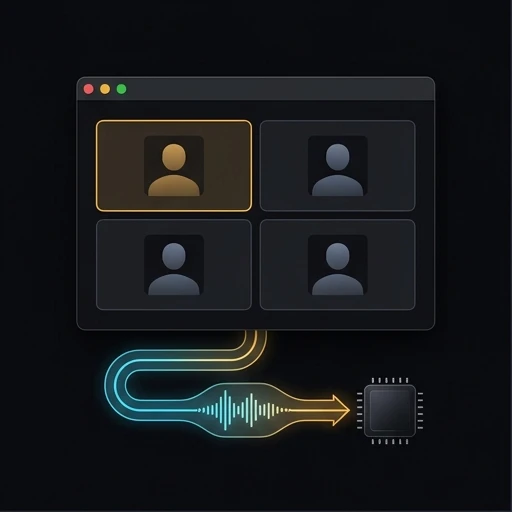
Architecture and System Design: tl;dv vs Krisp
Comparing tl;dv and Krisp demonstrates key architectural differences. While tl;dv and Krisp solve common productivity needs, their execution paths diverge. Evaluating tl;dv alongside Krisp helps operators pick the right runtime. Between tl;dv and Krisp, background workloads require careful planning. Assessing tl;dv against Krisp prevents workspace friction. Testing tl;dv with Krisp verifies process responsiveness. Choosing tl;dv or Krisp establishes your operational baseline.
In routine operation, tl;dv delivers cloud, while Krisp runs hybrid. Reviewing tl;dv with Krisp clarifies computational tradeoffs. While tl;dv optimizes for Web, Desktop app, Krisp targets macOS, Windows. Assessing tl;dv against Krisp protects workstation responsiveness. Between tl;dv and Krisp, software architecture governs task execution. Testing tl;dv alongside Krisp avoids system resource lag. Choosing tl;dv or Krisp establishes your software foundation.
In everyday workflows, tl;dv addresses The AI Notetaker built for Team Collaboration, whereas Krisp accommodates Voice AI for meetings — #1 noise cancellation, accent AI, translation, and AI note taker. Between tl;dv and Krisp, system tradeoffs shape long-term maintenance. Assessing tl;dv against Krisp informs team onboarding plans. Contrasting tl;dv alongside Krisp resolves product debates. Evaluating tl;dv with Krisp prevents team frustration. Picking tl;dv or Krisp secures a dependable platform.
Document Custody: tl;dv vs Krisp
Information custody marks an essential divide between tl;dv and Krisp. For tl;dv, data structures center on tl, while Krisp applies Krisp cloud (60 GB storage on Advanced). Since tl;dv provides internal databases and Krisp provides internal databases, they protect records using differing paradigms. Between tl;dv and Krisp, document parsing determines automation ease. Comparing tl;dv against Krisp highlights filesystem accessibility. Assessing tl;dv alongside Krisp avoids format obsolescence. Picking tl;dv or Krisp determines file permanence.
Filesystem transparency in tl;dv versus Krisp shapes external script integration. Where tl;dv exposes records through tl, Krisp handles data inside Krisp cloud (60 GB storage on Advanced). Testing tl;dv alongside Krisp unlocks automated shell scripting. Deciding between tl;dv and Krisp prevents database corruption risks. Evaluating tl;dv with Krisp confirms snapshot reliability. Comparing tl;dv against Krisp protects historical information.
Decade-long readability separates tl;dv from Krisp for academic institutions. With tl;dv providing tl and Krisp providing Krisp cloud (60 GB storage on Advanced), record indexing avoids external dependencies. Comparing tl;dv alongside Krisp validates open-standard longevity. Assessing tl;dv against Krisp guards against subscription lapses. Deciding on tl;dv or Krisp protects lifetime documentation.
Conversation Intelligence: tl;dv vs Krisp
Acoustic ingestion pipelines set tl;dv apart from Krisp during customer negotiations. While capturing meeting audio, tl;dv routes voice streams through alternative pathways than Krisp. In decoding speech, tl;dv diverges from Krisp in privacy compliance posture. Assessing tl;dv with Krisp validates attendee consent mechanisms. Between tl;dv and Krisp, recording protocols determine client comfort. Contrasting tl;dv against Krisp defends proprietary commercial discussions. Choosing tl;dv or Krisp establishes conversation custody.
Meeting intelligence in tl;dv versus Krisp changes post-call reviews. In generating summaries, tl;dv and Krisp implement distinct model prompts. Deciding between tl;dv and Krisp avoids attendee friction. Comparing tl;dv with Krisp validates action item extraction. Reviewing tl;dv against Krisp ensures prompt accuracy. Weighing tl;dv alongside Krisp protects proprietary discussions.
Transcript delivery latency creates practical divergence between tl;dv and Krisp. While tl;dv processes recordings via its engine, Krisp synthesizes text through separate queue models. Evaluating tl;dv against Krisp prevents waiting for meeting notes. Contrasting tl;dv with Krisp demonstrates speaker attribution clarity. Deciding between tl;dv and Krisp accelerates post-call distribution.
Disconnected Operation and Airplane Mode: tl;dv vs Krisp
Disconnected usability divides tl;dv from Krisp for field practitioners. When internet connections drop, tl;dv and Krisp react through contrasting error handling logic. While editing without web access, tl;dv diverges from Krisp in preserving changes on disk. Evaluating tl;dv against Krisp confirms complete document availability. Between tl;dv and Krisp, local database caches dictate offline stability. Contrasting tl;dv alongside Krisp guarantees seamless disconnected work. Choosing tl;dv or Krisp ensures uninterrupted drafting.
Commuting resilience divides tl;dv from Krisp during daily travel. In transit tunnels, tl;dv and Krisp store pending changes in contrasting buffers. Choosing between tl;dv and Krisp avoids uncommitted edits. Contrasting tl;dv with Krisp demonstrates local search speed. Assessing tl;dv against Krisp provides peace of mind for traveling staff. Testing tl;dv alongside Krisp assures instant file retrieval.
Network-free indexing sets tl;dv apart from Krisp for traveling researchers. While tl;dv queries records without server queries, Krisp coordinates lookups through alternative channels. Assessing tl;dv against Krisp prevents stalled reference lookups. Comparing tl;dv with Krisp ensures reliable note retrieval. Choosing tl;dv or Krisp delivers dependable offline productivity.
Hardware Support and Platform Coverage: tl;dv vs Krisp
Device ecosystem reach separates tl;dv from Krisp across enterprise fleets. While tl;dv serves users on Web, Desktop app, Krisp addresses teams on macOS, Windows. As tl;dv separates from Krisp, systems engineers assess client package maintenance. Reviewing tl;dv alongside Krisp validates operating system parity. Between tl;dv and Krisp, platform implementations dictate interface polish. Evaluating tl;dv against Krisp prevents hardware mismatches. Choosing tl;dv or Krisp accommodates multi-platform staff.
Client resource consumption separates tl;dv from Krisp during heavy multi-tasking. Under background sync, tl;dv and Krisp place different demands on host memory. Deciding between tl;dv and Krisp prevents computer slowdowns. Contrasting tl;dv with Krisp proves graphical interface agility. Assessing tl;dv alongside Krisp protects laptop thermal margins. Testing tl;dv against Krisp keeps operating environments fluid.
External scripting adaptability divides tl;dv from Krisp in automated build systems. While tl;dv interfaces with local shell hooks on Web, Desktop app, Krisp communicates via web hooks across macOS, Windows. Evaluating tl;dv alongside Krisp avoids workflow friction. Contrasting tl;dv with Krisp validates programmatic document export. Deciding between tl;dv and Krisp enables clean automation pipelines.
Core Capabilities and Functional Advantages: tl;dv vs Krisp
Flagship feature sets separate tl;dv from Krisp in everyday production environments. When evaluating execution, tl;dv delivers Built for team collaboration: shared libraries, multi-meeting reports and coaching, while Krisp delivers Best-in-class noise cancellation that works in any call app. Assessing tl;dv alongside Krisp matches features to project demands. Between tl;dv and Krisp, key operational strengths define software satisfaction. Contrasting tl;dv against Krisp demonstrates distinct advantages. Deciding on tl;dv or Krisp elevates team performance.
Functional advantages separate tl;dv from Krisp across daily tasks. In production use, tl;dv and Krisp optimize distinct productivity metrics. Deciding between tl;dv and Krisp clarifies user onboarding. Comparing tl;dv with Krisp exposes workflow acceleration. Reviewing tl;dv against Krisp prevents feature duplication. Weighing tl;dv alongside Krisp drives optimal software utilization.
Workspace scalability highlights key differences between tl;dv and Krisp across organizational archives. In deep relational structures, tl;dv and Krisp manage index caches with differing memory footprints. Reviewing tl;dv alongside Krisp assures snappy UI navigation. Comparing tl;dv against Krisp demonstrates sustained search stability. Choosing tl;dv or Krisp maintains high operational throughput.
Operational Boundaries: tl;dv vs Krisp
Structural trade-offs distinguish tl;dv from Krisp in enterprise deployments. Specifically, tl;dv encounters limits around Cloud-only processing, whereas Krisp shows boundaries around No free plan, only a 7-day trial. Reviewing tl;dv against Krisp establishes balanced technical evaluations. Between tl;dv and Krisp, known weaknesses dictate backup and maintenance workflows. Evaluating tl;dv alongside Krisp avoids deployment regrets. Deciding on tl;dv or Krisp ensures manageable software administration.
Engineering compromises divide tl;dv from Krisp in operational scale. In heavy databases, tl;dv and Krisp experience different scaling bottlenecks. Deciding between tl;dv and Krisp minimizes administrative maintenance. Comparing tl;dv with Krisp validates backup complexity. Reviewing tl;dv against Krisp manages team frustrations. Weighing tl;dv alongside Krisp maintains software health.
Upkeep requirements contrast tl;dv with Krisp across extended organizational rollouts. Whereas tl;dv demands tailored operational care, Krisp entails distinct administrative procedures. Reviewing tl;dv against Krisp eliminates hidden support costs. Benchmarking tl;dv alongside Krisp equips staff for production maintenance. Deciding on tl;dv or Krisp guarantees straightforward lifetime support.
Commercial Pricing: tl;dv vs Krisp
Fee structures distinguish tl;dv from Krisp across corporate licensing cycles. Where tl;dv provides Free €0 and commercial packages from €18/month billed annually (€216/yr), €29 monthly, Krisp maintains No free plan and packages starting at $8/user/month billed annually, $16 monthly. Calculating total expenditures for tl;dv versus Krisp requires modeling feature usage over two-year spans. Evaluating tl;dv against Krisp ensures fiscal transparency. Between tl;dv and Krisp, licensing metrics influence seat provisioning. Contrasting tl;dv with Krisp avoids hidden platform fees. Choosing tl;dv or Krisp establishes predictable software overhead.
Pricing predictability sets tl;dv apart from Krisp during organizational restructuring. In auditing software renewals, tl;dv and Krisp present different contract commitments. Deciding between tl;dv and Krisp protects budget flexibility. Comparing tl;dv with Krisp demonstrates sustainable licensing economics. Reviewing tl;dv alongside Krisp keeps corporate spending aligned. Weighing tl;dv against Krisp ensures prudent software investments.
Complete cost modeling separates tl;dv from Krisp when including complementary tooling. Whereas tl;dv pricing includes fundamental tools, Krisp bundles distinct functionalities in its plans. Reviewing tl;dv alongside Krisp guides multi-year capital allocation. Contrasting tl;dv with Krisp assures clear software ROI. Deciding on tl;dv or Krisp maintains fiscally sound operations.
Recommendation: tl;dv or Krisp
Selecting between tl;dv and Krisp reflects your organizational engineering principles. Adopt tl;dv if you emphasize cloud performance, highlight Built for team collaboration: shared libraries, multi-meeting reports and coaching, and prefer tl. Adopt Krisp if you emphasize hybrid performance, highlight Best-in-class noise cancellation that works in any call app, and prefer krisp cloud (60 gb storage on advanced). Assessing tl;dv against Krisp through typical team deliverables clarifies software ROI. Between tl;dv and Krisp, a disciplined seven-day pilot settles the debate. Contrasting tl;dv with Krisp delivers full operational confidence. Choosing tl;dv or Krisp establishes your daily workflow foundation.
Synthesizing your findings on tl;dv and Krisp ensures long-term operational peace of mind. Across active project duties, tl;dv and Krisp shape team collaboration through differing lenses. Contrasting tl;dv against Krisp prevents premature platform transitions. Evaluating tl;dv with Krisp confirms high day-to-day engagement. Assessing tl;dv alongside Krisp completes your software investigation. Deciding on tl;dv or Krisp anchors your technological foundations.
Integrating either tl;dv or Krisp provides stable cognitive support for demanding tasks. Because tl;dv masters its core niche while Krisp masters its distinct features, both tools hold strong appeal. Contrasting tl;dv against Krisp guarantees that your chosen software matches your cognitive style. Testing tl;dv alongside Krisp removes guesswork from tool selection. Choosing tl;dv or Krisp sets you up for creative success.
Piloting both tl;dv and Krisp with real deliverables provides decisive technical proof. Because tl;dv and Krisp handle daily data differently, side-by-side trials clarify ergonomic fit. Comparing tl;dv with Krisp confirms application stability under actual user workloads. Between tl;dv and Krisp, interface polish drives daily focus. Assessing tl;dv alongside Krisp prevents future platform regrets. Choosing tl;dv or Krisp delivers reliable long-term performance.
Moving forward with either tl;dv or Krisp gives your team a clear path toward structured knowledge management. While tl;dv excels in its specialized operational envelope, Krisp delivers robust utility across its focus areas. Assessing tl;dv against Krisp confirms that your digital infrastructure aligns with your privacy and productivity standards. Between tl;dv and Krisp, both options provide modern capabilities for demanding operators. Evaluating tl;dv alongside Krisp provides complete peace of mind. Choosing tl;dv or Krisp sets your team up for lasting success.

Where Oyma Fits In
Evaluating tl;dv and Krisp reveals contrasting architectures. If neither tl;dv nor Krisp fits your Mac requirements, Oyma delivers local CommonMark files without meeting bots.
Questions
How do tl;dv and Krisp differ in storage?
Contrasting tl;dv with Krisp reveals divergent data persistence, while Oyma keeps CommonMark files on your computer.
Can tl;dv and Krisp run offline?
Between tl;dv and Krisp, disconnected operation differs noticeably, while Oyma functions fully offline on macOS.
How does pricing compare between tl;dv and Krisp?
Contrasting tl;dv with Krisp exposes different seat scaling costs, while Oyma runs locally on your Mac hardware.
How does Oyma differ from tl;dv and Krisp?
Against tl;dv and Krisp, Oyma captures audio without meeting bots, while tl;dv and Krisp apply contrasting capture models.

Try Oyma alongside tl;dv and Krisp
A private, local-first macOS alternative to tl;dv and Krisp.