
Competitor Comparison
tl;dv vs Jamie
 tl;dv
 Jamie
Comparing tl;dv and Jamie technical specifications. Every tl;dv and Jamie spec is footnoted. Compare with Oyma vs tl;dv and Oyma vs Jamie on macOS.
choose tl;dv if
- You prioritize built for team collaboration: shared libraries, multi-meeting reports and coaching.
- You value cloud execution and tl.
- You prefer tl;dv's operational architecture over Jamie's model.
choose jamie if
- You prioritize eu data residency and no model training on your data. strong for gdpr-sensitive teams.
- You value cloud execution and jamie cloud, hosted in the eea, switzerland and the uk.
- You prefer Jamie's operational architecture over tl;dv's model.
At a glance
| Feature | tl;dv | Jamie |
|---|---|---|
| Where it runs | tl;dv: In the cloud(tl;dv where it runs source) | Jamie: In the cloud(Jamie where it runs source)"Storage and processing stay within the EEA, Switzerland, and the UK." Capture runs on the device; AI does not. |
| Storage format | tl;dv: tl;dv cloud(tl;dv storage format source) | Jamie: Jamie cloud, hosted in the EEA, Switzerland and the UK(Jamie storage format source) |
| Plain Markdown files | tl;dv: No(tl;dv plain markdown files source)unverified: export formats not checked. | Jamie: No(Jamie plain markdown files source)unverified: export formats not checked. |
| Meeting recording | tl;dv: Bot or no bot(tl;dv meeting recording source)Bot for Zoom, Meet and Teams; a bot-free desktop recorder ("NO BOT REQUIRED"). | Jamie: Records without a bot(Jamie meeting recording source) |
| On-device transcription | tl;dv: No(tl;dv on-device transcription source) | Jamie: No(Jamie on-device transcription source) |
| AI integration | tl;dv: AI notes, multi-meeting reports, coaching, CRM integration(tl;dv ai integration source) | Jamie: Ask Jamie chat, templates; "No model training on your data"(Jamie ai integration source) |
| Works offline | tl;dv: No(tl;dv works offline source)Cloud processing; the mobile app can record offline and sync later. | Jamie: No(Jamie works offline source)Cloud processing. |
| Wikilinks & backlinks | tl;dv: No(tl;dv wikilinks & backlinks source) | Jamie: No(Jamie wikilinks & backlinks source) |
| Plugins / integrations | tl;dv: Zapier on Pro; native Salesforce and HubSpot on Business(tl;dv plugins / integrations source) | Jamie: Integrations (Notion, Google Docs, OneNote; Pro: Asana, Salesforce, HubSpot, Pipedrive), API/webhooks and MCP on Pro(Jamie plugins / integrations source) |
| Mobile apps | tl;dv: Yes(tl;dv mobile apps source) | Jamie: Yes(Jamie mobile apps source) |
| Platforms | tl;dv: Web, Desktop app, iOS, Android(tl;dv platforms source) | Jamie: macOS, Windows, iOS, Web(Jamie platforms source) |
| Free plan | tl;dv: Free €0(tl;dv free plan source)unverified: free-plan limits not shown to text extraction; a competitor (claap.io) reports 90-day retention and 10 lifetime AI summaries. | Jamie: Free €0: 10 AI notes/month, 30-minute meeting cap, 1 custom template(Jamie free plan source) |
| Paid plans from | tl;dv: Pro: €18/month billed annually (€216/yr), €29 monthly(tl;dv paid plans from source)Prices shown in EUR; USD pricing unverified. | Jamie: Plus: €21/month billed annually(Jamie paid plans from source)Monthly price not extracted from the official page. |
tl;dv facts last verified 2026-10-03. Jamie facts last verified 2026-10-03.
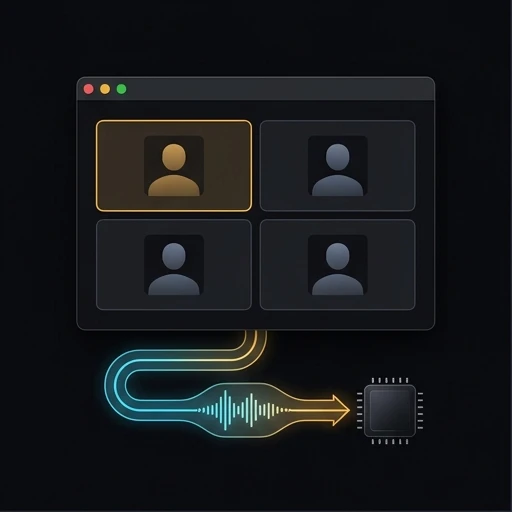
System Architecture: tl;dv vs Jamie
Contrasting tl;dv with Jamie exposes opposing software foundations. While tl;dv and Jamie serve modern professionals, their internal mechanisms differ. Reviewing tl;dv alongside Jamie clarifies real-world capabilities. Between tl;dv and Jamie, data structures determine multi-year usability. Examining tl;dv against Jamie confirms application durability. Benchmarking tl;dv with Jamie validates execution speeds. Selecting tl;dv or Jamie anchors your team workflow.
In routine operation, tl;dv delivers cloud, while Jamie runs cloud. Reviewing tl;dv with Jamie clarifies computational tradeoffs. While tl;dv optimizes for Web, Desktop app, Jamie targets macOS, Windows. Assessing tl;dv against Jamie protects workstation responsiveness. Between tl;dv and Jamie, software architecture governs task execution. Testing tl;dv alongside Jamie avoids system resource lag. Choosing tl;dv or Jamie establishes your software foundation.
In everyday workflows, tl;dv addresses The AI Notetaker built for Team Collaboration, whereas Jamie accommodates The meeting intelligence platform you can trust. Between tl;dv and Jamie, system tradeoffs shape long-term maintenance. Assessing tl;dv against Jamie informs team onboarding plans. Contrasting tl;dv alongside Jamie resolves product debates. Evaluating tl;dv with Jamie prevents team frustration. Picking tl;dv or Jamie secures a dependable platform.
Storage Durability and File Access: tl;dv vs Jamie
Document storage separates tl;dv from Jamie across core computing layers. Where tl;dv records information in tl, Jamie maintains records via Jamie cloud, hosted in the EEA, Switzerland and the UK. Because tl;dv relies on internal databases and Jamie uses internal databases, they deliver contrasting portability levels. Between tl;dv and Jamie, file layout determines backup flexibility. Reviewing tl;dv alongside Jamie demonstrates data independence. Testing tl;dv against Jamie secures document longevity. Choosing tl;dv or Jamie anchors data governance.
Portability dynamics in tl;dv versus Jamie define software exit strategies. As tl;dv organizes content in tl, Jamie encloses documents in Jamie cloud, hosted in the EEA, Switzerland and the UK. Evaluating tl;dv alongside Jamie preserves intellectual assets. Deciding between tl;dv and Jamie mitigates format migration costs. Testing tl;dv against Jamie demonstrates batch export speed. Comparing tl;dv with Jamie establishes dependable storage routines.
Historical file safety divides tl;dv from Jamie across professional careers. With tl;dv configuring tl and Jamie configuring Jamie cloud, hosted in the EEA, Switzerland and the UK, notes outlive cloud platform migrations. Testing tl;dv with Jamie verifies multi-device checksum integrity. Evaluating tl;dv against Jamie confirms file immutability options. Choosing tl;dv or Jamie ensures absolute document longevity.
Audio Pipeline and Intelligence: tl;dv vs Jamie
Voice ingestion architecture distinguishes tl;dv from Jamie across modern conferencing tools. During Zoom and Teams sessions, tl;dv handles audio streams distinctively from Jamie. In processing speech, tl;dv departs from Jamie on server transmission protocols. Testing tl;dv alongside Jamie verifies recording permission workflows. Between tl;dv and Jamie, system audio capture prevents call participant disruption. Contrasting tl;dv against Jamie maintains high recording discretion. Selecting tl;dv or Jamie guarantees clean meeting notes.
Post-call document synthesis creates operational distinctions between tl;dv and Jamie. When creating structured meeting records, tl;dv and Jamie organize attendee takeaways differently. Choosing between tl;dv and Jamie prevents corporate misunderstanding. Contrasting tl;dv with Jamie validates key takeaway relevance. Assessing tl;dv alongside Jamie checks summary fidelity. Testing tl;dv against Jamie preserves business conversational intelligence.
Transcript delivery latency creates practical divergence between tl;dv and Jamie. While tl;dv processes recordings via its engine, Jamie synthesizes text through separate queue models. Evaluating tl;dv against Jamie prevents waiting for meeting notes. Contrasting tl;dv with Jamie demonstrates speaker attribution clarity. Deciding between tl;dv and Jamie accelerates post-call distribution.
Offline Usability: tl;dv vs Jamie
Zero-network reliability distinguishes tl;dv from Jamie in remote workspaces. When working beyond cellular reach, tl;dv operates under different principles than Jamie. During remote travel, tl;dv contrasts with Jamie in maintaining instant file access. Reviewing tl;dv alongside Jamie prevents document editing lockouts. Between tl;dv and Jamie, data synchronization requirements determine offline freedom. Testing tl;dv against Jamie confirms local search speeds. Deciding on tl;dv or Jamie preserves daily productivity.
Spotty network performance separates tl;dv from Jamie on mobile hotspots. During subway commutes, tl;dv and Jamie isolate database edits using different transaction boundaries. Choosing between tl;dv and Jamie prevents editing collisions. Contrasting tl;dv with Jamie proves local query responsiveness. Assessing tl;dv alongside Jamie assures continuous work sessions. Testing tl;dv against Jamie keeps project drafts completely safe.
Remote productivity divides tl;dv from Jamie whenever internet connections drop. While tl;dv operates under disconnected conditions, Jamie responds with alternative behaviors. Evaluating tl;dv against Jamie prevents surprise data lockouts. Comparing tl;dv with Jamie confirms local search availability. Choosing tl;dv or Jamie secures offline working habits.
Hardware Support and Platform Coverage: tl;dv vs Jamie
Cross-platform mobility divides tl;dv from Jamie across workstations. In device coverage, tl;dv runs on Web, Desktop app, whereas Jamie supports macOS, Windows. Because tl;dv differs from Jamie, organizations evaluate fleet hardware requirements. Assessing tl;dv alongside Jamie ensures seamless multi-device parity. Between tl;dv and Jamie, cross-platform sync alters user workflows. Contrasting tl;dv with Jamie simplifies IT deployment. Choosing tl;dv or Jamie matches computer setups.
Hardware integration in tl;dv versus Jamie dictates peripheral support. On client machines, tl;dv and Jamie consume distinct system resources. Deciding between tl;dv and Jamie avoids operating system hurdles. Comparing tl;dv with Jamie clarifies mobile parity. Reviewing tl;dv against Jamie keeps workstation setups reliable. Weighing tl;dv alongside Jamie protects hardware investments.
Ecosystem versatility distinguishes tl;dv from Jamie when connecting external tools. While tl;dv integrates with external utilities on Web, Desktop app, Jamie coordinates workflows across macOS, Windows. Assessing tl;dv against Jamie ensures compatibility with team hardware. Testing tl;dv alongside Jamie prevents unexpected sync delays. Deciding between tl;dv and Jamie completes your platform evaluation.
Where Each Excels: tl;dv vs Jamie
Key functional edges distinguish tl;dv from Jamie across common user workflows. Specifically, tl;dv excels with Built for team collaboration: shared libraries, multi-meeting reports and coaching, whereas Jamie counters with EU data residency and no model training on your data. Strong for GDPR-sensitive teams. Reviewing tl;dv against Jamie clarifies distinct software value propositions. Between tl;dv and Jamie, unique selling points attract specific personas. Evaluating tl;dv alongside Jamie ensures appropriate tooling choices. Choosing tl;dv or Jamie unlocks specialized capabilities.
Workflow acceleration marks a major difference between tl;dv and Jamie. In daily task execution, tl;dv and Jamie remove friction from contrasting operational steps. Selecting between tl;dv and Jamie aligns software with organizational cadence. Contrasting tl;dv with Jamie reveals editing agility. Assessing tl;dv alongside Jamie prevents unnecessary administrative drag. Testing tl;dv against Jamie improves output quality.
Workspace scalability highlights key differences between tl;dv and Jamie across organizational archives. In deep relational structures, tl;dv and Jamie manage index caches with differing memory footprints. Reviewing tl;dv alongside Jamie assures snappy UI navigation. Comparing tl;dv against Jamie demonstrates sustained search stability. Choosing tl;dv or Jamie maintains high operational throughput.
System Trade-Offs and Architectural Boundaries: tl;dv vs Jamie
Engineering limitations create practical boundaries between tl;dv and Jamie. For tl;dv, verified constraints highlight Cloud-only processing, while Jamie documents Free plan: 10 AI notes per month and a 30-minute meeting cap. Comparing tl;dv alongside Jamie prepares teams for real-world tradeoffs. Between tl;dv and Jamie, architectural boundaries impact custom extensions. Testing tl;dv against Jamie confirms practical edge cases. Contrasting tl;dv with Jamie avoids unexpected operational stalls. Choosing tl;dv or Jamie guarantees realistic adoption plans.
Database scaling limits separate tl;dv from Jamie when handling tens of thousands of records. When linking complex datasets, tl;dv and Jamie exhibit contrasting index memory usage. Deciding between tl;dv and Jamie prevents sudden application slowdowns. Comparing tl;dv alongside Jamie confirms stable multi-year performance. Reviewing tl;dv with Jamie protects project investments. Weighing tl;dv against Jamie maintains high software efficiency.
Maintenance overhead differentiates tl;dv from Jamie over multi-year deployments. While tl;dv requires specific administrative attention, Jamie presents separate maintenance routines. Assessing tl;dv against Jamie prevents unforeseen operational costs. Testing tl;dv alongside Jamie prepares teams for real-world maintenance. Choosing tl;dv or Jamie ensures manageable long-term upkeep.
Pricing, Licensing Tiers, and Multi-Year Costs: tl;dv vs Jamie
Licensing models create clear commercial contrast between tl;dv and Jamie. While tl;dv provisions Free €0 with upgrades from €18/month billed annually (€216/yr), €29 monthly, Jamie implements Free €0: 10 AI notes/month, 30-minute meeting cap, 1 custom template with upgrades from €21/month billed annually. Budget modeling for tl;dv and Jamie should account for seat count growth and cloud storage additions. Comparing tl;dv alongside Jamie protects against vendor price hikes. Between tl;dv and Jamie, plan boundaries dictate user tier placement. Testing tl;dv against Jamie confirms value per dollar. Selecting tl;dv or Jamie secures cost-effective software.
Pricing predictability sets tl;dv apart from Jamie during organizational restructuring. In auditing software renewals, tl;dv and Jamie present different contract commitments. Deciding between tl;dv and Jamie protects budget flexibility. Comparing tl;dv with Jamie demonstrates sustainable licensing economics. Reviewing tl;dv alongside Jamie keeps corporate spending aligned. Weighing tl;dv against Jamie ensures prudent software investments.
Long-term capital efficiency distinguishes tl;dv from Jamie for prudent tech organizations. While tl;dv covers routine workflows, Jamie addresses advanced requirements in higher tiers. Reviewing tl;dv alongside Jamie ensures prudent software spending. Comparing tl;dv against Jamie validates five-year software economics. Choosing tl;dv or Jamie protects capital allocation.
Decision Matrix: Which Should You Pick, tl;dv or Jamie
Making the final choice between tl;dv and Jamie hinges on architectural alignment. Select tl;dv if you demand cloud execution, prefer Built for team collaboration: shared libraries, multi-meeting reports and coaching, and seek tl. Select Jamie if you demand cloud execution, prefer EU data residency and no model training on your data. Strong for GDPR-sensitive teams, and seek jamie cloud, hosted in the eea, switzerland and the uk. Testing tl;dv alongside Jamie with representative team documents proves which interface reduces friction. Between tl;dv and Jamie, running concurrent tests confirms long-term suitability. Evaluating tl;dv against Jamie eliminates migration doubt. Deciding on tl;dv or Jamie solidifies your workspace choice.
Concluding comparisons between tl;dv and Jamie solidifies your regular production toolkit. Throughout daily duties, tl;dv and Jamie provide divergent user interactions. Contrasting tl;dv against Jamie protects against subsequent software re-evaluations. Assessing tl;dv with Jamie delivers operational contentment. Examining tl;dv alongside Jamie wraps up your tooling study. Deciding on tl;dv or Jamie cements your workspace workflow.
Integrating either tl;dv or Jamie provides stable cognitive support for demanding tasks. Because tl;dv masters its core niche while Jamie masters its distinct features, both tools hold strong appeal. Contrasting tl;dv against Jamie guarantees that your chosen software matches your cognitive style. Testing tl;dv alongside Jamie removes guesswork from tool selection. Choosing tl;dv or Jamie sets you up for creative success.
When deciding between tl;dv and Jamie, hands-on evaluation with real tasks settles architectural debates. Running tl;dv alongside Jamie in parallel allows operators to contrast daily editing flows. Reviewing tl;dv with Jamie confirms whether local or cloud mechanics fit your rules. Between tl;dv and Jamie, tool satisfaction emerges from friction-free daily use. Comparing tl;dv against Jamie prevents costly workflow adjustments. Choosing tl;dv or Jamie secures your ideal digital workspace.
Finalizing your assessment of tl;dv and Jamie sets the stage for productive future work. Comparing tl;dv against Jamie through verified specifications validates your technical strategy. Between tl;dv and Jamie, understanding core tradeoffs guarantees confident software adoption. Evaluating tl;dv alongside Jamie ensures seamless integration into existing routines. Testing tl;dv with Jamie confirms long-term satisfaction. Choosing tl;dv or Jamie establishes your optimal operational foundation.
Where Oyma Fits In
Evaluating tl;dv and Jamie reveals contrasting architectures. If neither tl;dv nor Jamie fits your Mac requirements, Oyma delivers local CommonMark files without meeting bots.
Questions
How do tl;dv and Jamie differ in storage?
Compared to tl;dv and Jamie, Oyma stores Mac notes locally, whereas tl;dv and Jamie use contrasting storage architectures.
Can tl;dv and Jamie run offline?
Compared to tl;dv and Jamie, Oyma provides complete offline writing, whereas tl;dv and Jamie apply separate offline rules.
How does pricing compare between tl;dv and Jamie?
Contrasting tl;dv with Jamie exposes different seat scaling costs, while Oyma runs locally on your Mac hardware.
How does Oyma differ from tl;dv and Jamie?
Evaluating tl;dv and Jamie alongside Oyma reveals that Oyma runs on-device, while tl;dv and Jamie differ in processing.

Try Oyma alongside tl;dv and Jamie
A private, local-first macOS alternative to tl;dv and Jamie.