
Competitor Comparison
Otter.ai vs Trace
 Otter.ai
 Trace
Comparing Otter.ai and Trace technical specifications. Every Otter.ai and Trace spec is footnoted. Compare with Oyma vs Otter.ai and Oyma vs Trace on macOS.
choose otter.ai if
- You prioritize mature, widely used transcription with live captions and shareable transcripts.
- You value cloud execution and otter cloud.
- You prefer Otter.ai's operational architecture over Trace's model.
choose trace if
- You prioritize speaker separation with names assigned after the call.
- You value local execution and local session folders with mic.wav, system.wav, transcript.md, transcript.json, summary.md and meta.json.
- You prefer Trace's operational architecture over Otter.ai's model.
At a glance
| Feature | Otter.ai | Trace |
|---|---|---|
| Where it runs | Otter.ai: In the cloud(Otter.ai where it runs source) | Trace: On your device(Trace where it runs source) |
| Storage format | Otter.ai: Otter cloud(Otter.ai storage format source) | Trace: Local session folders with mic.wav, system.wav, transcript.md, transcript.json, summary.md and meta.json(Trace storage format source) |
| Plain Markdown files | Otter.ai: No(Otter.ai plain markdown files source)unverified: historically TXT/DOCX/PDF/SRT export; Markdown not verified. | Trace: Yes(Trace plain markdown files source)Transcripts and summaries are written as .md files per session. |
| Meeting recording | Otter.ai: Bot or no bot(Otter.ai meeting recording source)OtterPilot bot auto-joins Zoom, Meet and Teams; the desktop app also records without a bot. | Trace: Records without a bot(Trace meeting recording source)Captures mic, system audio and optional screenshots; no bot joins the call. |
| On-device transcription | Otter.ai: No(Otter.ai on-device transcription source) | Trace: Yes(Trace on-device transcription source) |
| AI integration | Otter.ai: Otter AI Chat across meetings, specialised agents (SDR, Recruiting), MCP server for ChatGPT and Claude, action items(Otter.ai ai integration source) | Trace: A local model writes summaries, decisions and follow-ups(Trace ai integration source) |
| Works offline | Otter.ai: No(Otter.ai works offline source)Cloud transcription. | Trace: Yes(Trace works offline source)"it works with the network off" |
| Wikilinks & backlinks | Otter.ai: No(Otter.ai wikilinks & backlinks source) | Trace: No(Trace wikilinks & backlinks source) |
| Plugins / integrations | Otter.ai: MCP server, integrations, Enterprise API(Otter.ai plugins / integrations source) | Trace: tracecli command-line tool (Homebrew), Shortcuts, Spotlight; export to Obsidian, Bear, Drafts or Things(Trace plugins / integrations source) |
| Mobile apps | Otter.ai: Yes(Otter.ai mobile apps source) | Trace: No(Trace mobile apps source) |
| Platforms | Otter.ai: Web, macOS, Windows, iOS, Android, Chrome extension(Otter.ai platforms source) | Trace: macOS 14.4+ (Apple silicon)(Trace platforms source) |
| Free plan | Otter.ai: Basic: free, 300 minutes/month, 30 minutes per conversation, 3 lifetime imports(Otter.ai free plan source) | Trace: No free plan; 7-day free trial, no card needed (direct purchase only)(Trace free plan source) |
| Paid plans from | Otter.ai: Pro: $8.33/user/month billed annually, $16.99 monthly(Otter.ai paid plans from source) | Trace: Solo: £29 once (1 Mac)(Trace paid plans from source) |
Otter.ai facts last verified 2026-10-03. Trace facts last verified 2026-10-03.
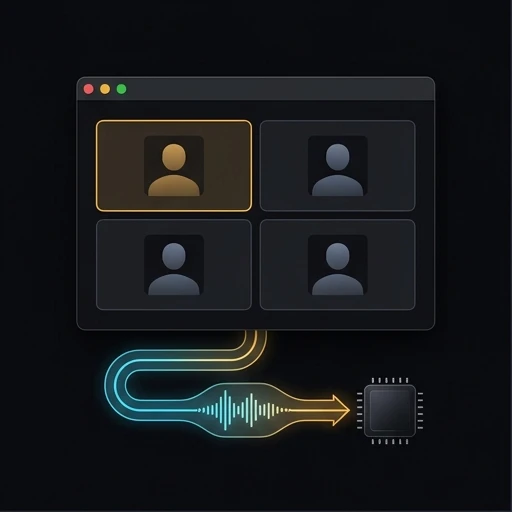
System Architecture: Otter.ai vs Trace
Weighing Otter.ai alongside Trace illustrates separate engineering goals. While Otter.ai and Trace address daily documentation, their technical postures contrast sharply. Analyzing Otter.ai against Trace prevents unexpected hurdles. Between Otter.ai and Trace, platform integrations guide software choice. Testing Otter.ai alongside Trace reveals memory efficiency. Piloting Otter.ai with Trace ensures predictable application behavior. Deciding on Otter.ai or Trace completes your platform audit.
Regarding system execution, Otter.ai runs cloud, whereas Trace executes local. Comparing Otter.ai alongside Trace highlights hardware utilization across local devices. While Otter.ai targets Web, macOS, Trace supports macOS 14.4+ (Apple silicon). Evaluating Otter.ai against Trace clarifies day-to-day compute footprints. Between Otter.ai and Trace, background task handling dictates app smoothness. Testing Otter.ai with Trace ensures predictable application latency. Choosing Otter.ai or Trace matches team infrastructure.
In handling application state, Otter.ai centers on Your AI notetaker is now also your Conversational Knowledge Engine, whereas Trace emphasizes Meeting summaries that never leave your Mac. Between Otter.ai and Trace, operational focus dictates user workflows. Comparing Otter.ai alongside Trace reveals distinct administrative needs. Reviewing Otter.ai against Trace prevents configuration friction. Testing Otter.ai with Trace guarantees stable task throughput. Choosing Otter.ai or Trace shapes daily intellectual output.
File Formats and Storage Architecture: Otter.ai vs Trace
File persistence creates clear boundaries between Otter.ai and Trace. In Otter.ai, documents are structured as Otter cloud, whereas Trace formats entries as Local session folders with mic.wav, system.wav, transcript.md, transcript.json, summary.md and meta.json. Because Otter.ai incorporates internal databases while Trace applies plain Markdown files, both tools enforce distinct custody models. Between Otter.ai and Trace, local folder structures prevent data lock-in. Evaluating Otter.ai with Trace guarantees transparent file migration. Contrasting Otter.ai against Trace clarifies storage overhead. Deciding on Otter.ai or Trace governs your archival safety.
Document custody in Otter.ai versus Trace impacts migration friction. While Otter.ai isolates notes in Otter cloud, Trace manages notes in Local session folders with mic.wav, system.wav, transcript.md, transcript.json, summary.md and meta.json. Reviewing Otter.ai alongside Trace protects multi-year research. Deciding between Otter.ai and Trace prevents proprietary schema lock-in. Testing Otter.ai with Trace confirms export fidelity. Comparing Otter.ai against Trace ensures independent file durability.
Decade-long readability separates Otter.ai from Trace for academic institutions. With Otter.ai providing Otter cloud and Trace providing Local session folders with mic.wav, system.wav, transcript.md, transcript.json, summary.md and meta.json, record indexing avoids external dependencies. Comparing Otter.ai alongside Trace validates open-standard longevity. Assessing Otter.ai against Trace guards against subscription lapses. Deciding on Otter.ai or Trace protects lifetime documentation.
Call Capture and Transcription Models: Otter.ai vs Trace
Voice ingestion architecture distinguishes Otter.ai from Trace across modern conferencing tools. During Zoom and Teams sessions, Otter.ai handles audio streams distinctively from Trace. In processing speech, Otter.ai departs from Trace on server transmission protocols. Testing Otter.ai alongside Trace verifies recording permission workflows. Between Otter.ai and Trace, system audio capture prevents call participant disruption. Contrasting Otter.ai against Trace maintains high recording discretion. Selecting Otter.ai or Trace guarantees clean meeting notes.
Meeting takeaways generation contrasts Otter.ai with Trace across cross-functional teams. For engineering debriefs, Otter.ai and Trace parse technical details via differing model fine-tunings. Deciding between Otter.ai and Trace improves operational sync. Comparing Otter.ai against Trace verifies timestamped transcript accuracy. Reviewing Otter.ai alongside Trace ensures prompt deliverable distribution. Weighing Otter.ai with Trace accelerates project execution.
Speaker diarization quality separates Otter.ai from Trace during multi-party calls. In identifying contributors, Otter.ai and Trace apply distinct voice separation algorithms. Testing Otter.ai alongside Trace verifies multi-speaker attribution accuracy. Comparing Otter.ai with Trace ensures dependable meeting attribution. Choosing between Otter.ai and Trace preserves conversational accountability.
Zero-Connectivity Reliability: Otter.ai vs Trace
Zero-network reliability distinguishes Otter.ai from Trace in remote workspaces. When working beyond cellular reach, Otter.ai operates under different principles than Trace. During remote travel, Otter.ai contrasts with Trace in maintaining instant file access. Reviewing Otter.ai alongside Trace prevents document editing lockouts. Between Otter.ai and Trace, data synchronization requirements determine offline freedom. Testing Otter.ai against Trace confirms local search speeds. Deciding on Otter.ai or Trace preserves daily productivity.
Offline cache buffering contrasts Otter.ai with Trace when switching between networks. In intermittent WiFi environments, Otter.ai and Trace handle connection drops through distinct sync states. Deciding between Otter.ai and Trace avoids frustrating save delays. Comparing Otter.ai with Trace confirms responsive UI interactions. Reviewing Otter.ai alongside Trace supports uninterrupted work. Weighing Otter.ai against Trace ensures complete document integrity.
Isolated drafting capability divides Otter.ai from Trace in secured corporate facilities. While Otter.ai runs in air-gapped settings, Trace behaves through distinct operational routines. Evaluating Otter.ai with Trace satisfies strict compliance policies. Contrasting Otter.ai alongside Trace verifies local computational independence. Deciding on Otter.ai or Trace protects sensitive document drafting.
Hardware Support and Platform Coverage: Otter.ai vs Trace
Operating system support distinguishes Otter.ai from Trace across company devices. In client coverage, Otter.ai deploys on Web, macOS, while Trace operates across macOS 14.4+ (Apple silicon). Since Otter.ai diverges from Trace, managers must plan machine provisioning. Evaluating Otter.ai alongside Trace guarantees cross-device consistency. Between Otter.ai and Trace, platform sync behavior changes daily tasks. Reviewing Otter.ai with Trace eases enterprise configuration. Deciding on Otter.ai or Trace aligns with your hardware fleet.
Peripheral compatibility sets Otter.ai apart from Trace when using external monitors. In multi-screen workspaces, Otter.ai and Trace scale text elements through separate rendering engines. Selecting between Otter.ai and Trace avoids visual glitches. Comparing Otter.ai with Trace confirms high-DPI font sharpness. Reviewing Otter.ai alongside Trace ensures visual comfort. Weighing Otter.ai against Trace provides consistent desktop display.
Utility interoperability sets Otter.ai apart from Trace across modern software suites. As Otter.ai synchronizes with tools on Web, macOS, Trace interacts with services across macOS 14.4+ (Apple silicon). Reviewing Otter.ai against Trace confirms software stack synergy. Comparing Otter.ai alongside Trace eliminates brittle plugin configurations. Deciding on Otter.ai or Trace concludes your workstation audit.
Comparative Strengths and Practical Advantages: Otter.ai vs Trace
Key functional edges distinguish Otter.ai from Trace across common user workflows. Specifically, Otter.ai excels with Mature, widely used transcription with live captions and shareable transcripts, whereas Trace counters with Speaker separation with names assigned after the call. Reviewing Otter.ai against Trace clarifies distinct software value propositions. Between Otter.ai and Trace, unique selling points attract specific personas. Evaluating Otter.ai alongside Trace ensures appropriate tooling choices. Choosing Otter.ai or Trace unlocks specialized capabilities.
Workflow acceleration marks a major difference between Otter.ai and Trace. In daily task execution, Otter.ai and Trace remove friction from contrasting operational steps. Selecting between Otter.ai and Trace aligns software with organizational cadence. Contrasting Otter.ai with Trace reveals editing agility. Assessing Otter.ai alongside Trace prevents unnecessary administrative drag. Testing Otter.ai against Trace improves output quality.
Library scalability creates noticeable separation between Otter.ai and Trace during intensive use. When archiving extensive research collections, Otter.ai and Trace deliver contrasting indexing times. Assessing Otter.ai against Trace prevents database bottleneck delays. Contrasting Otter.ai with Trace reveals file retrieval efficiency. Deciding between Otter.ai and Trace secures rapid reference lookup.
Documented Limitations and Known Constraints: Otter.ai vs Trace
Operational friction points divide Otter.ai from Trace across prolonged usage. In production, Otter.ai displays constraints involving Free plan caps: 300 minutes/month and 30 minutes per conversation, whereas Trace requires attention regarding A menu-bar recorder that exports to notes apps, not a notes app. Assessing Otter.ai alongside Trace equips administrators for regular maintenance. Between Otter.ai and Trace, technical limitations require thoughtful team training. Contrasting Otter.ai against Trace ensures transparent tool selection. Choosing Otter.ai or Trace prevents operational surprises.
Scaling constraints contrast Otter.ai with Trace in massive enterprise knowledge vaults. In deep search indexing, Otter.ai and Trace manage memory caches with varying reliability. Choosing between Otter.ai and Trace preserves fast application launches. Contrasting Otter.ai with Trace reveals cache rebuild durations. Assessing Otter.ai alongside Trace avoids performance degradation. Testing Otter.ai against Trace ensures robust daily workflows.
System maintenance routines divide Otter.ai from Trace for solitary knowledge workers. For backup scheduling and cache pruning, Otter.ai and Trace involve different user interventions. Assessing Otter.ai with Trace prevents unexpected data loss. Comparing Otter.ai against Trace ensures automated safety protocols. Choosing Otter.ai or Trace guarantees reliable, hands-off maintenance.
Licensing Tiers and Total Cost of Ownership: Otter.ai vs Trace
Licensing models create clear commercial contrast between Otter.ai and Trace. While Otter.ai provisions Basic: free, 300 minutes/month, 30 minutes per conversation, 3 lifetime imports with upgrades from $8.33/user/month billed annually, $16.99 monthly, Trace implements No free plan with upgrades from £29 once (1 Mac). Budget modeling for Otter.ai and Trace should account for seat count growth and cloud storage additions. Comparing Otter.ai alongside Trace protects against vendor price hikes. Between Otter.ai and Trace, plan boundaries dictate user tier placement. Testing Otter.ai against Trace confirms value per dollar. Selecting Otter.ai or Trace secures cost-effective software.
Expense scaling creates financial separation between Otter.ai and Trace over multi-year horizons. As staff rosters increase, Otter.ai and Trace calculate licensing through different unit mechanics. Choosing between Otter.ai and Trace keeps software overhead lean. Contrasting Otter.ai with Trace highlights team license economics. Assessing Otter.ai against Trace preserves capital efficiency. Testing Otter.ai alongside Trace maximizes tooling effectiveness.
Lifetime software expenses separate Otter.ai from Trace when factoring in infrastructure add-ons. While Otter.ai bundles its primary suite, Trace provides specialized tools in premium plans. Evaluating Otter.ai alongside Trace provides clarity on five-year licensing commitments. Comparing Otter.ai against Trace eliminates unanticipated add-on costs. Choosing between Otter.ai and Trace keeps overall tooling expenses balanced.
Recommendation: Otter.ai or Trace
Selecting between Otter.ai and Trace depends on your primary workspace objectives. Choose Otter.ai if you require cloud execution, prioritize Mature, widely used transcription with live captions and shareable transcripts, and want otter cloud. Choose Trace if you require local execution, prioritize Speaker separation with names assigned after the call, and want local session folders with mic.wav, system.wav, transcript.md, transcript.json, summary.md and meta.json. Testing Otter.ai against Trace with actual project notes confirms your optimal software environment. Between Otter.ai and Trace, piloting both tools clarifies productivity differences. Contrasting Otter.ai with Trace over seven days verifies the best match. Deciding on Otter.ai or Trace completes your software selection.
Closing the evaluation of Otter.ai and Trace brings clarity to your personal tech stack. During continuous writing, Otter.ai and Trace foster distinct creative mindsets. Reviewing Otter.ai alongside Trace eliminates lingering software indecision. Comparing Otter.ai with Trace validates day-to-day authoring efficiency. Testing Otter.ai against Trace proves long-term software fitness. Choosing Otter.ai or Trace finalizes your productivity toolkit.
Adopting either Otter.ai or Trace establishes the operational cadence of your digital workstation. While Otter.ai demonstrates mastery in its technical paradigm, Trace leads in its chosen operational model. Evaluating Otter.ai with Trace guarantees complete synergy with your research habits. Piloting Otter.ai alongside Trace confirms the optimal user interface choice. Deciding on Otter.ai or Trace ensures long-term software fulfillment.
Ultimately, choosing between Otter.ai and Trace is a matter of matching tool design to personal workflow. Where Otter.ai streamlines execution through its architecture, Trace delivers specialized power through its unique features. Evaluating Otter.ai against Trace ensures you invest in software that amplifies your natural strengths. Between Otter.ai and Trace, both platforms represent capable modern engineering. Testing Otter.ai alongside Trace clarifies which platform best serves your multi-year vision. Picking Otter.ai or Trace finalizes your software selection.
Concluding your evaluation of Otter.ai and Trace marks an important milestone in tooling selection. Whether deploying Otter.ai or Trace, aligning software with team habits ensures sustainable productivity. Contrasting Otter.ai alongside Trace confirms operational integrity across all project stages. Between Otter.ai and Trace, selecting the appropriate technical model prevents administrative overhead. Piloting Otter.ai against Trace verifies daily software comfort. Deciding on Otter.ai or Trace secures your digital workspace.
Where Oyma Fits In
Contrasting Otter.ai with Trace highlights separate engineering priorities. As an alternative to Otter.ai and Trace, Oyma provides private on-device notes on macOS.
Questions
How do Otter.ai and Trace differ in storage?
Compared to Otter.ai and Trace, Oyma stores Mac notes locally, whereas Otter.ai and Trace use contrasting storage architectures.
Can Otter.ai and Trace run offline?
Analyzing Otter.ai against Trace clarifies travel usability, while Oyma keeps notes accessible on your Mac anywhere.
How does pricing compare between Otter.ai and Trace?
Analyzing Otter.ai against Trace clarifies multi-year expenses, while Oyma avoids recurring software licensing fees.
How does Oyma differ from Otter.ai and Trace?
Evaluating Otter.ai and Trace alongside Oyma reveals that Oyma runs on-device, while Otter.ai and Trace differ in processing.

Try Oyma alongside Otter.ai and Trace
A private, local-first macOS alternative to Otter.ai and Trace.