
Competitor Comparison
Otter.ai vs tl;dv
 Otter.ai
 tl;dv
Comparing Otter.ai and tl;dv technical specifications. Every Otter.ai and tl;dv spec is footnoted. Compare with Oyma vs Otter.ai and Oyma vs tl;dv on macOS.
choose otter.ai if
- You prioritize mature, widely used transcription with live captions and shareable transcripts.
- You value cloud execution and otter cloud.
- You prefer Otter.ai's operational architecture over tl;dv's model.
choose tl;dv if
- You prioritize built for team collaboration: shared libraries, multi-meeting reports and coaching.
- You value cloud execution and tl.
- You prefer tl;dv's operational architecture over Otter.ai's model.
At a glance
| Feature | Otter.ai | tl;dv |
|---|---|---|
| Where it runs | Otter.ai: In the cloud(Otter.ai where it runs source) | tl;dv: In the cloud(tl;dv where it runs source) |
| Storage format | Otter.ai: Otter cloud(Otter.ai storage format source) | tl;dv: tl;dv cloud(tl;dv storage format source) |
| Plain Markdown files | Otter.ai: No(Otter.ai plain markdown files source)unverified: historically TXT/DOCX/PDF/SRT export; Markdown not verified. | tl;dv: No(tl;dv plain markdown files source)unverified: export formats not checked. |
| Meeting recording | Otter.ai: Bot or no bot(Otter.ai meeting recording source)OtterPilot bot auto-joins Zoom, Meet and Teams; the desktop app also records without a bot. | tl;dv: Bot or no bot(tl;dv meeting recording source)Bot for Zoom, Meet and Teams; a bot-free desktop recorder ("NO BOT REQUIRED"). |
| On-device transcription | Otter.ai: No(Otter.ai on-device transcription source) | tl;dv: No(tl;dv on-device transcription source) |
| AI integration | Otter.ai: Otter AI Chat across meetings, specialised agents (SDR, Recruiting), MCP server for ChatGPT and Claude, action items(Otter.ai ai integration source) | tl;dv: AI notes, multi-meeting reports, coaching, CRM integration(tl;dv ai integration source) |
| Works offline | Otter.ai: No(Otter.ai works offline source)Cloud transcription. | tl;dv: No(tl;dv works offline source)Cloud processing; the mobile app can record offline and sync later. |
| Wikilinks & backlinks | Otter.ai: No(Otter.ai wikilinks & backlinks source) | tl;dv: No(tl;dv wikilinks & backlinks source) |
| Plugins / integrations | Otter.ai: MCP server, integrations, Enterprise API(Otter.ai plugins / integrations source) | tl;dv: Zapier on Pro; native Salesforce and HubSpot on Business(tl;dv plugins / integrations source) |
| Mobile apps | Otter.ai: Yes(Otter.ai mobile apps source) | tl;dv: Yes(tl;dv mobile apps source) |
| Platforms | Otter.ai: Web, macOS, Windows, iOS, Android, Chrome extension(Otter.ai platforms source) | tl;dv: Web, Desktop app, iOS, Android(tl;dv platforms source) |
| Free plan | Otter.ai: Basic: free, 300 minutes/month, 30 minutes per conversation, 3 lifetime imports(Otter.ai free plan source) | tl;dv: Free €0(tl;dv free plan source)unverified: free-plan limits not shown to text extraction; a competitor (claap.io) reports 90-day retention and 10 lifetime AI summaries. |
| Paid plans from | Otter.ai: Pro: $8.33/user/month billed annually, $16.99 monthly(Otter.ai paid plans from source) | tl;dv: Pro: €18/month billed annually (€216/yr), €29 monthly(tl;dv paid plans from source)Prices shown in EUR; USD pricing unverified. |
Otter.ai facts last verified 2026-10-03. tl;dv facts last verified 2026-10-03.
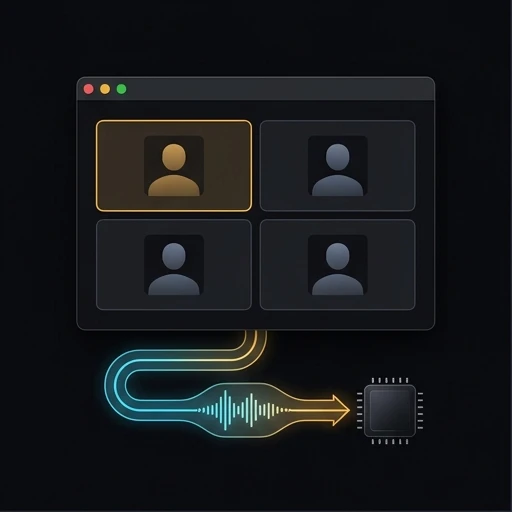
System Architecture: Otter.ai vs tl;dv
Reviewing Otter.ai alongside tl;dv demonstrates fundamental product differences. While Otter.ai and tl;dv target personal and team productivity, their architectures address distinct priorities. Examining Otter.ai against tl;dv exposes operational distinctions. Between Otter.ai and tl;dv, storage and compute boundaries govern performance. Testing Otter.ai alongside tl;dv checks process stability under load. Contrasting Otter.ai with tl;dv ensures informed tooling selection. Selecting Otter.ai or tl;dv ensures optimal team efficiency.
In routine operation, Otter.ai delivers cloud, while tl;dv runs cloud. Reviewing Otter.ai with tl;dv clarifies computational tradeoffs. While Otter.ai optimizes for Web, macOS, tl;dv targets Web, Desktop app. Assessing Otter.ai against tl;dv protects workstation responsiveness. Between Otter.ai and tl;dv, software architecture governs task execution. Testing Otter.ai alongside tl;dv avoids system resource lag. Choosing Otter.ai or tl;dv establishes your software foundation.
During practical usage, Otter.ai prioritizes Your AI notetaker is now also your Conversational Knowledge Engine, while tl;dv delivers The AI Notetaker built for Team Collaboration. Between Otter.ai and tl;dv, product goals guide daily team habits. Contrasting Otter.ai with tl;dv clarifies workspace ergonomics. Assessing Otter.ai alongside tl;dv ensures appropriate feature usage. Evaluating Otter.ai against tl;dv maintains high worker momentum. Deciding on Otter.ai or tl;dv establishes your operational cadence.
Data Custody and File Persistence: Otter.ai vs tl;dv
Data persistence distinguishes Otter.ai from tl;dv fundamentally. For Otter.ai, files reside as Otter cloud, while tl;dv adopts tl. Since Otter.ai implements internal databases and tl;dv implements internal databases, both tools structure records under opposite philosophies. Between Otter.ai and tl;dv, file accessibility influences recovery procedures. Contrasting Otter.ai with tl;dv verifies long-term document security. Weighing Otter.ai with tl;dv sets storage protocols. Deciding on Otter.ai or tl;dv controls information sovereignty.
Document custody in Otter.ai versus tl;dv impacts migration friction. While Otter.ai isolates notes in Otter cloud, tl;dv manages notes in tl. Reviewing Otter.ai alongside tl;dv protects multi-year research. Deciding between Otter.ai and tl;dv prevents proprietary schema lock-in. Testing Otter.ai with tl;dv confirms export fidelity. Comparing Otter.ai against tl;dv ensures independent file durability.
Archival durability separates Otter.ai from tl;dv for technical practitioners. With Otter.ai adopting Otter cloud and tl;dv adopting tl, document survival properties diverge significantly. Reviewing Otter.ai against tl;dv eliminates vendor obsolescence hazards. Contrasting Otter.ai alongside tl;dv explains local encryption standards. Deciding on Otter.ai or tl;dv preserves critical intellectual assets.
Call Capture and Transcription Models: Otter.ai vs tl;dv
Voice ingestion architecture distinguishes Otter.ai from tl;dv across modern conferencing tools. During Zoom and Teams sessions, Otter.ai handles audio streams distinctively from tl;dv. In processing speech, Otter.ai departs from tl;dv on server transmission protocols. Testing Otter.ai alongside tl;dv verifies recording permission workflows. Between Otter.ai and tl;dv, system audio capture prevents call participant disruption. Contrasting Otter.ai against tl;dv maintains high recording discretion. Selecting Otter.ai or tl;dv guarantees clean meeting notes.
Meeting intelligence in Otter.ai versus tl;dv changes post-call reviews. In generating summaries, Otter.ai and tl;dv implement distinct model prompts. Deciding between Otter.ai and tl;dv avoids attendee friction. Comparing Otter.ai with tl;dv validates action item extraction. Reviewing Otter.ai against tl;dv ensures prompt accuracy. Weighing Otter.ai alongside tl;dv protects proprietary discussions.
Speaker diarization quality separates Otter.ai from tl;dv during multi-party calls. In identifying contributors, Otter.ai and tl;dv apply distinct voice separation algorithms. Testing Otter.ai alongside tl;dv verifies multi-speaker attribution accuracy. Comparing Otter.ai with tl;dv ensures dependable meeting attribution. Choosing between Otter.ai and tl;dv preserves conversational accountability.
Network Resilience and Offline Access: Otter.ai vs tl;dv
Network independence distinguishes Otter.ai from tl;dv during travel. In disconnected operation, Otter.ai and tl;dv behave in opposite ways. When working on flights, Otter.ai contrasts with tl;dv in offline reliability. Evaluating Otter.ai against tl;dv ensures continuous editing without WiFi. Between Otter.ai and tl;dv, remote synchronization needs vary widely. Contrasting Otter.ai with tl;dv prevents blocked workspaces. Choosing Otter.ai or tl;dv guarantees offline continuity.
Disconnected stability separates Otter.ai from tl;dv in daily transit. In tunnel conditions, Otter.ai and tl;dv maintain distinct cache buffers. Deciding between Otter.ai and tl;dv prevents stranded changes. Comparing Otter.ai with tl;dv validates offline indexing. Reviewing Otter.ai against tl;dv assures field workers. Weighing Otter.ai alongside tl;dv guarantees document availability.
Unplugged performance separates Otter.ai from tl;dv during severe power outages. While Otter.ai maintains complete local operations, tl;dv adapts through separate sync behaviors. Reviewing Otter.ai alongside tl;dv guarantees constant file reading. Testing Otter.ai against tl;dv confirms offline tag filtering. Choosing between Otter.ai and tl;dv maintains productivity during emergencies.
Platform Ecosystem and Operating Systems: Otter.ai vs tl;dv
Workstation compatibility creates clear boundaries between Otter.ai and tl;dv. In application binaries, Otter.ai provides builds for Web, macOS, whereas tl;dv delivers packages for Web, Desktop app. Because Otter.ai contrasts with tl;dv, IT departments analyze software deployment pipelines. Testing Otter.ai alongside tl;dv ensures predictable desktop performance. Between Otter.ai and tl;dv, platform nuances affect shortcut muscle memory. Contrasting Otter.ai with tl;dv prevents employee onboarding friction. Selecting Otter.ai or tl;dv supports team computers.
Desktop integration ergonomics divide Otter.ai from tl;dv across modern operating systems. In window management, Otter.ai and tl;dv respond to keyboard shortcuts through contrasting paradigms. Choosing between Otter.ai and tl;dv maximizes authoring focus. Comparing Otter.ai alongside tl;dv verifies clipboard management. Reviewing Otter.ai with tl;dv ensures smooth daily interactions. Weighing Otter.ai against tl;dv enhances workstation efficiency.
Ecosystem versatility distinguishes Otter.ai from tl;dv when connecting external tools. While Otter.ai integrates with external utilities on Web, macOS, tl;dv coordinates workflows across Web, Desktop app. Assessing Otter.ai against tl;dv ensures compatibility with team hardware. Testing Otter.ai alongside tl;dv prevents unexpected sync delays. Deciding between Otter.ai and tl;dv completes your platform evaluation.
Flagship Features: Otter.ai vs tl;dv
Core advantages illustrate where Otter.ai and tl;dv dominate their respective domains. For primary value, Otter.ai highlights Mature, widely used transcription with live captions and shareable transcripts, whereas tl;dv addresses that requirement alternatively. Meanwhile, tl;dv features Built for team collaboration: shared libraries, multi-meeting reports and coaching, introducing options Otter.ai structures differently. Assessing Otter.ai against tl;dv matches software strengths to user habits. Between Otter.ai and tl;dv, flagship capabilities determine user retention. Reviewing Otter.ai with tl;dv confirms operational return on investment. Deciding on Otter.ai or tl;dv captures critical strengths.
Workflow acceleration marks a major difference between Otter.ai and tl;dv. In daily task execution, Otter.ai and tl;dv remove friction from contrasting operational steps. Selecting between Otter.ai and tl;dv aligns software with organizational cadence. Contrasting Otter.ai with tl;dv reveals editing agility. Assessing Otter.ai alongside tl;dv prevents unnecessary administrative drag. Testing Otter.ai against tl;dv improves output quality.
Library scalability creates noticeable separation between Otter.ai and tl;dv during intensive use. When archiving extensive research collections, Otter.ai and tl;dv deliver contrasting indexing times. Assessing Otter.ai against tl;dv prevents database bottleneck delays. Contrasting Otter.ai with tl;dv reveals file retrieval efficiency. Deciding between Otter.ai and tl;dv secures rapid reference lookup.
Documented Limitations and Known Constraints: Otter.ai vs tl;dv
Documented constraints reveal technical limits in Otter.ai and tl;dv. For Otter.ai, verified boundaries center on Free plan caps: 300 minutes/month and 30 minutes per conversation, which tl;dv users do not experience in the same way. For tl;dv, documented limits include Cloud-only processing, requiring Otter.ai users to assess alternative workarounds. Evaluating Otter.ai against tl;dv establishes realistic expectations. Between Otter.ai and tl;dv, known limitations shape long-term maintenance. Contrasting Otter.ai with tl;dv avoids deployment surprises. Choosing Otter.ai or tl;dv prevents technical debt.
Scaling constraints contrast Otter.ai with tl;dv in massive enterprise knowledge vaults. In deep search indexing, Otter.ai and tl;dv manage memory caches with varying reliability. Choosing between Otter.ai and tl;dv preserves fast application launches. Contrasting Otter.ai with tl;dv reveals cache rebuild durations. Assessing Otter.ai alongside tl;dv avoids performance degradation. Testing Otter.ai against tl;dv ensures robust daily workflows.
Administrative complexity sets Otter.ai apart from tl;dv for self-reliant professionals. In managing sync and software upgrades, Otter.ai and tl;dv impose different regular chores. Assessing Otter.ai alongside tl;dv prevents software maintenance burnout. Comparing Otter.ai against tl;dv validates update reliability. Choosing Otter.ai or tl;dv keeps system upkeep painless.
Licensing Tiers and Total Cost of Ownership: Otter.ai vs tl;dv
Licensing models create clear commercial contrast between Otter.ai and tl;dv. While Otter.ai provisions Basic: free, 300 minutes/month, 30 minutes per conversation, 3 lifetime imports with upgrades from $8.33/user/month billed annually, $16.99 monthly, tl;dv implements Free €0 with upgrades from €18/month billed annually (€216/yr), €29 monthly. Budget modeling for Otter.ai and tl;dv should account for seat count growth and cloud storage additions. Comparing Otter.ai alongside tl;dv protects against vendor price hikes. Between Otter.ai and tl;dv, plan boundaries dictate user tier placement. Testing Otter.ai against tl;dv confirms value per dollar. Selecting Otter.ai or tl;dv secures cost-effective software.
Licensing predictability separates Otter.ai from tl;dv for growing teams. In annual planning, Otter.ai and tl;dv present contrasting cost curves. Deciding between Otter.ai and tl;dv optimizes software spend. Comparing Otter.ai with tl;dv validates seat economics. Reviewing Otter.ai against tl;dv keeps procurement on track. Weighing Otter.ai alongside tl;dv maximizes value per seat.
Comprehensive ownership costs divide Otter.ai from tl;dv across full organizational lifecycles. Where Otter.ai plans incorporate standard features, tl;dv packages tools according to tier boundaries. Assessing Otter.ai against tl;dv prevents licensing surprises. Contrasting Otter.ai with tl;dv clarifies true operational costs. Deciding between Otter.ai and tl;dv guarantees sustainable IT financing.
Final Verdict: Choosing Otter.ai or tl;dv
Deciding between Otter.ai and tl;dv comes down to daily operational alignment. Opt for Otter.ai if you value cloud operations, prioritize Mature, widely used transcription with live captions and shareable transcripts, and favor otter cloud. Opt for tl;dv if you value cloud operations, prioritize Built for team collaboration: shared libraries, multi-meeting reports and coaching, and favor tl. Reviewing Otter.ai alongside tl;dv through practical project exercises reveals real-world advantages. Between Otter.ai and tl;dv, a direct trial confirms user comfort. Contrasting Otter.ai with tl;dv ensures confident software adoption. Choosing Otter.ai or tl;dv resolves your tooling search.
Summing up the debate between Otter.ai and tl;dv establishes clear software direction. In ongoing production, Otter.ai and tl;dv provide distinct ergonomic benefits. Comparing Otter.ai alongside tl;dv prevents unnecessary tooling changes. Reviewing Otter.ai with tl;dv assures team contentment. Benchmarking Otter.ai against tl;dv provides full operational clarity. Choosing Otter.ai or tl;dv delivers dependable workspace stability.
Standardizing on either Otter.ai or tl;dv empowers your projects with robust document handling. Where Otter.ai delivers outstanding performance in its design envelope, tl;dv provides exceptional power across its toolset. Assessing Otter.ai alongside tl;dv ensures informed technology investment. Comparing Otter.ai with tl;dv eliminates uncertainty in workspace selection. Picking Otter.ai or tl;dv solidifies your operational foundation.
Ultimately, choosing between Otter.ai and tl;dv is a matter of matching tool design to personal workflow. Where Otter.ai streamlines execution through its architecture, tl;dv delivers specialized power through its unique features. Evaluating Otter.ai against tl;dv ensures you invest in software that amplifies your natural strengths. Between Otter.ai and tl;dv, both platforms represent capable modern engineering. Testing Otter.ai alongside tl;dv clarifies which platform best serves your multi-year vision. Picking Otter.ai or tl;dv finalizes your software selection.
In summary, the comparison between Otter.ai and tl;dv highlights the diverse approaches available in modern software. Whether you prioritize Otter.ai for its technical design or tl;dv for its distinctive capabilities, evaluating Otter.ai alongside tl;dv ensures an informed choice. Reviewing Otter.ai against tl;dv provides clarity on how each system handles long-term scaling. Between Otter.ai and tl;dv, your choice will anchor your daily digital workspace. Testing Otter.ai with tl;dv guarantees seamless workflow integration. Selecting Otter.ai or tl;dv completes your technical journey.
Where Oyma Fits In
Contrasting Otter.ai with tl;dv highlights separate engineering priorities. As an alternative to Otter.ai and tl;dv, Oyma provides private on-device notes on macOS.
Questions
How do Otter.ai and tl;dv differ in storage?
Evaluating Otter.ai alongside tl;dv demonstrates different custody models, whereas Oyma avoids database lock-in on Mac.
Can Otter.ai and tl;dv run offline?
Compared to Otter.ai and tl;dv, Oyma provides complete offline writing, whereas Otter.ai and tl;dv apply separate offline rules.
How does pricing compare between Otter.ai and tl;dv?
Compared to Otter.ai and tl;dv, Oyma offers a private beta on macOS, whereas Otter.ai and tl;dv provide tiered pricing plans.
How does Oyma differ from Otter.ai and tl;dv?
Evaluating Otter.ai and tl;dv alongside Oyma reveals that Oyma runs on-device, while Otter.ai and tl;dv differ in processing.

Try Oyma alongside Otter.ai and tl;dv
A private, local-first macOS alternative to Otter.ai and tl;dv.