
Competitor Comparison
Obsidian vs Reflect
 Obsidian
 Reflect
Comparing Obsidian and Reflect technical specifications. Every Obsidian and Reflect spec is footnoted. Compare with Oyma vs Obsidian and Oyma vs Reflect on macOS.
choose obsidian if
- You prioritize a huge plugin ecosystem (8,349 community plugins) and an open api. far more extensible.
- You value local execution and local vault: a folder of plain-text markdown (.md) files on disk.
- You prefer Obsidian's operational architecture over Reflect's model.
choose reflect if
- You prioritize free and mit-licensed on mac, with plain .md files, backlinks and daily notes.
- You value hybrid execution and ordinary .md files in daily/, notes/ and assets/ folders the user chooses.
- You prefer Reflect's operational architecture over Obsidian's model.
At a glance
| Feature | Obsidian | Reflect |
|---|---|---|
| Where it runs | Obsidian: On your device(Obsidian where it runs source) | Reflect: Device and cloud(Reflect where it runs source)Notes are local files; AI features send data directly to the user's own cloud AI provider (OpenAI, Anthropic, Google, OpenRouter). |
| Storage format | Obsidian: Local vault: a folder of plain-text Markdown (.md) files on disk; optional paid Sync(Obsidian storage format source) | Reflect: Ordinary .md files in daily/, notes/ and assets/ folders the user chooses; sync via iCloud Drive or Git(Reflect storage format source) |
| Plain Markdown files | Obsidian: Yes(Obsidian plain markdown files source) | Reflect: Yes(Reflect plain markdown files source) |
| Meeting recording | Obsidian: Microphone only(Obsidian meeting recording source)Core "Audio recorder" plugin records the microphone only, with no transcription. System-audio capture exists only in small third-party plugins (hundreds of installs). | Reflect: Microphone only(Reflect meeting recording source)unverified: Reflect offers voice transcription and meeting-note summaries via your API key; system-audio capture of calls was not verified. |
| On-device transcription | Obsidian: No(Obsidian on-device transcription source)No first-party transcription; the forum request has been open since 2021-12-27. Third-party plugins (e.g. Whisper, ~57.6k downloads) can add it. | Reflect: No(Reflect on-device transcription source)Transcription uses the user's cloud API key. |
| AI integration | Obsidian: None first-party. AI comes from third-party plugins, e.g. Copilot (free with your own key or local models; Plus $14.99/mo or $139.99/yr) and Smart Connections (local embeddings free; Pro $30/mo or $299/yr).(Obsidian ai integration source) | Reflect: Bring-your-own key only (OpenAI, Anthropic, Google, OpenRouter): voice transcription, note Q&A with sources, meeting-note summaries, writing help, custom prompts(Reflect ai integration source) |
| Works offline | Obsidian: Yes(Obsidian works offline source) | Reflect: Yes(Reflect works offline source) |
| Wikilinks & backlinks | Obsidian: Yes(Obsidian wikilinks & backlinks source)Wikilinks are the default link format; Markdown links can be used instead. | Reflect: Yes(Reflect wikilinks & backlinks source) |
| Plugins / integrations | Obsidian: 8,349 community plugins (count on 2026-10-03), open plugin API, themes, official CLI (v1.12), open Bases and JSON Canvas formats(Obsidian plugins / integrations source) | Reflect: Open source (MIT); plain files readable by AI agents and any Markdown editor(Reflect plugins / integrations source) |
| Mobile apps | Obsidian: Yes(Obsidian mobile apps source) | Reflect: Yes(Reflect mobile apps source)iPhone and iPad apps are paid subscriptions. |
| Platforms | Obsidian: macOS, Windows, Linux, iOS, Android(Obsidian platforms source) | Reflect: macOS, iOS, iPadOS(Reflect platforms source) |
| Free plan | Obsidian: App free, no account needed; commercial licence optional ($50 per user, per year)(Obsidian free plan source) | Reflect: Reflect Open is free and open source on Mac (MIT)(Reflect free plan source) |
| Paid plans from | Obsidian: Sync Standard: $4/user/month billed annually, $5 monthly(Obsidian paid plans from source) | Reflect: iPhone/iPad app: Paid subscription, price set per region through the App Store(Reflect paid plans from source)unverified: exact price not shown on the official page. |
Obsidian facts last verified 2026-10-03. Reflect facts last verified 2026-10-03.
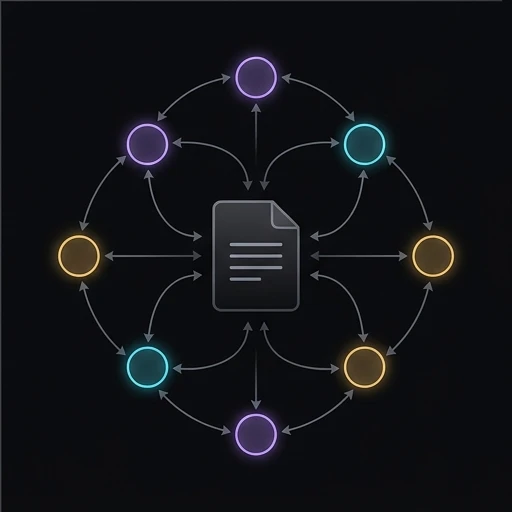
Engineering Posture: Obsidian vs Reflect
Reviewing Obsidian alongside Reflect demonstrates fundamental product differences. While Obsidian and Reflect target personal and team productivity, their architectures address distinct priorities. Examining Obsidian against Reflect exposes operational distinctions. Between Obsidian and Reflect, storage and compute boundaries govern performance. Testing Obsidian alongside Reflect checks process stability under load. Contrasting Obsidian with Reflect ensures informed tooling selection. Selecting Obsidian or Reflect ensures optimal team efficiency.
For daily computing needs, Obsidian configures local, while Reflect provides hybrid. Comparing Obsidian with Reflect shows architectural divergence. While Obsidian runs on macOS, Windows, Reflect runs on macOS, iOS. Reviewing Obsidian alongside Reflect prevents unexpected IT hurdles. Between Obsidian and Reflect, software efficiency determines user satisfaction. Testing Obsidian against Reflect verifies predictable application performance. Selecting Obsidian or Reflect supports long-term goals.
During practical usage, Obsidian prioritizes Sharpen your thinking, while Reflect delivers Think better with Reflect. Between Obsidian and Reflect, product goals guide daily team habits. Contrasting Obsidian with Reflect clarifies workspace ergonomics. Assessing Obsidian alongside Reflect ensures appropriate feature usage. Evaluating Obsidian against Reflect maintains high worker momentum. Deciding on Obsidian or Reflect establishes your operational cadence.
Data Custody and File Persistence: Obsidian vs Reflect
Document storage separates Obsidian from Reflect across core computing layers. Where Obsidian records information in Local vault: a folder of plain-text Markdown (.md) files on disk, Reflect maintains records via Ordinary .md files in daily/, notes/ and assets/ folders the user chooses. Because Obsidian relies on plain Markdown files and Reflect uses plain Markdown files, they deliver contrasting portability levels. Between Obsidian and Reflect, file layout determines backup flexibility. Reviewing Obsidian alongside Reflect demonstrates data independence. Testing Obsidian against Reflect secures document longevity. Choosing Obsidian or Reflect anchors data governance.
Portability dynamics in Obsidian versus Reflect define software exit strategies. As Obsidian organizes content in Local vault: a folder of plain-text Markdown (.md) files on disk, Reflect encloses documents in Ordinary .md files in daily/, notes/ and assets/ folders the user chooses. Evaluating Obsidian alongside Reflect preserves intellectual assets. Deciding between Obsidian and Reflect mitigates format migration costs. Testing Obsidian against Reflect demonstrates batch export speed. Comparing Obsidian with Reflect establishes dependable storage routines.
Long-term archival guarantees distinguish Obsidian from Reflect for serious researchers. With Obsidian storing Local vault: a folder of plain-text Markdown (.md) files on disk and Reflect storing Ordinary .md files in daily/, notes/ and assets/ folders the user chooses, data sovereignty varies dramatically. Assessing Obsidian against Reflect prevents accidental document loss. Weighing Obsidian alongside Reflect clarifies disk encryption options. Choosing Obsidian or Reflect protects multi-year intellectual capital.
Knowledge Graph and Note Linking: Obsidian vs Reflect
Note-linking mechanics separate Obsidian from Reflect across extensive knowledge repositories. When linking complex thoughts, Obsidian behaves differently than Reflect. If Obsidian encourages flexible backlinks, Reflect emphasizes clean nested documents. Opting for Obsidian instead of Reflect guides information synthesis. Reviewing Obsidian alongside Reflect validates cataloging depth. Contrasting Obsidian with Reflect accelerates reference retrieval. Choosing Obsidian or Reflect optimizes long-term writing.
Index management contrasts Obsidian with Reflect across large document sets. For reference filing, Obsidian and Reflect implement separate lookup algorithms. Deciding between Obsidian and Reflect prevents fragmented thinking. Comparing Obsidian with Reflect shows outline clarity. Reviewing Obsidian alongside Reflect accelerates project documentation. Weighing Obsidian against Reflect supports rigorous research.
Idea capture speed creates practical differences between Obsidian and Reflect. While Obsidian delivers Sharpen your thinking, Reflect provides Think better with Reflect. Reviewing Obsidian against Reflect ensures distraction-free note creation. Comparing Obsidian alongside Reflect highlights markdown parsing latency. Choosing between Obsidian and Reflect improves daily typing speed.
Disconnected Operation and Airplane Mode: Obsidian vs Reflect
Network independence distinguishes Obsidian from Reflect during travel. In disconnected operation, Obsidian and Reflect behave in opposite ways. When working on flights, Obsidian contrasts with Reflect in offline reliability. Evaluating Obsidian against Reflect ensures continuous editing without WiFi. Between Obsidian and Reflect, remote synchronization needs vary widely. Contrasting Obsidian with Reflect prevents blocked workspaces. Choosing Obsidian or Reflect guarantees offline continuity.
Transit editing reliability sets Obsidian apart from Reflect during patchy connectivity. In train transit, Obsidian and Reflect queue file updates through divergent internal mechanisms. Deciding between Obsidian and Reflect eliminates lost paragraph edits. Comparing Obsidian alongside Reflect clarifies local search indexes. Reviewing Obsidian with Reflect protects mobile knowledge workers. Weighing Obsidian against Reflect maintains continuous document access.
Isolated drafting capability divides Obsidian from Reflect in secured corporate facilities. While Obsidian runs in air-gapped settings, Reflect behaves through distinct operational routines. Evaluating Obsidian with Reflect satisfies strict compliance policies. Contrasting Obsidian alongside Reflect verifies local computational independence. Deciding on Obsidian or Reflect protects sensitive document drafting.
Hardware Support and Platform Coverage: Obsidian vs Reflect
Device ecosystem reach separates Obsidian from Reflect across enterprise fleets. While Obsidian serves users on macOS, Windows, Reflect addresses teams on macOS, iOS. As Obsidian separates from Reflect, systems engineers assess client package maintenance. Reviewing Obsidian alongside Reflect validates operating system parity. Between Obsidian and Reflect, platform implementations dictate interface polish. Evaluating Obsidian against Reflect prevents hardware mismatches. Choosing Obsidian or Reflect accommodates multi-platform staff.
System resource footprint in Obsidian versus Reflect affects battery longevity. On laptop hardware, Obsidian and Reflect utilize divergent background services. Selecting between Obsidian and Reflect eliminates compatibility headaches. Contrasting Obsidian with Reflect explains tablet companion capabilities. Assessing Obsidian against Reflect guarantees stable operating conditions. Testing Obsidian alongside Reflect preserves laptop battery life.
Toolchain extensibility separates Obsidian from Reflect across connected developer environments. Whereas Obsidian connects with scripts on macOS, Windows, Reflect manages integrations throughout macOS, iOS. Reviewing Obsidian against Reflect verifies workflow compatibility. Benchmarking Obsidian alongside Reflect eliminates cross-device synchronization latency. Selecting between Obsidian and Reflect finalizes your ecosystem plan.
Competitive Advantages: Obsidian vs Reflect
Core advantages illustrate where Obsidian and Reflect dominate their respective domains. For primary value, Obsidian highlights A huge plugin ecosystem (8,349 community plugins) and an open API. Far more extensible, whereas Reflect addresses that requirement alternatively. Meanwhile, Reflect features Free and MIT-licensed on Mac, with plain .md files, backlinks and daily notes, introducing options Obsidian structures differently. Assessing Obsidian against Reflect matches software strengths to user habits. Between Obsidian and Reflect, flagship capabilities determine user retention. Reviewing Obsidian with Reflect confirms operational return on investment. Deciding on Obsidian or Reflect captures critical strengths.
Core user advantages divide Obsidian from Reflect across knowledge-heavy disciplines. In information synthesis, Obsidian and Reflect provide different cognitive aids. Deciding between Obsidian and Reflect refines research methodology. Comparing Obsidian with Reflect validates user interface ergonomics. Reviewing Obsidian alongside Reflect prevents workspace clutter. Weighing Obsidian against Reflect guarantees productive daily workflows.
Performance highlights distinguish Obsidian from Reflect when managing large knowledge bases. While Obsidian excels with its architecture, Reflect provides specialized tools for its user base. Assessing Obsidian against Reflect reveals unique workflow shortcuts. Comparing Obsidian with Reflect ensures you capitalize on each tool’s best capabilities. Choosing Obsidian or Reflect unlocks daily productivity gains.
Documented Limitations and Known Constraints: Obsidian vs Reflect
Operational friction points divide Obsidian from Reflect across prolonged usage. In production, Obsidian displays constraints involving No built-in meeting recording or transcription; the forum request has been open since 2021, whereas Reflect requires attention regarding AI, including transcription and meeting summaries, needs your own paid cloud API key. Assessing Obsidian alongside Reflect equips administrators for regular maintenance. Between Obsidian and Reflect, technical limitations require thoughtful team training. Contrasting Obsidian against Reflect ensures transparent tool selection. Choosing Obsidian or Reflect prevents operational surprises.
Database scaling limits separate Obsidian from Reflect when handling tens of thousands of records. When linking complex datasets, Obsidian and Reflect exhibit contrasting index memory usage. Deciding between Obsidian and Reflect prevents sudden application slowdowns. Comparing Obsidian alongside Reflect confirms stable multi-year performance. Reviewing Obsidian with Reflect protects project investments. Weighing Obsidian against Reflect maintains high software efficiency.
Maintenance overhead differentiates Obsidian from Reflect over multi-year deployments. While Obsidian requires specific administrative attention, Reflect presents separate maintenance routines. Assessing Obsidian against Reflect prevents unforeseen operational costs. Testing Obsidian alongside Reflect prepares teams for real-world maintenance. Choosing Obsidian or Reflect ensures manageable long-term upkeep.
Cost Comparison and Subscription Plans: Obsidian vs Reflect
Subscription tiers delineate commercial costs between Obsidian and Reflect. Whereas Obsidian includes App free, no account needed alongside tiers from $4/user/month billed annually, $5 monthly, Reflect features Reflect Open is free and open source on Mac (MIT) alongside tiers starting from Paid subscription, price set per region through the App Store. Forecasting budgets for Obsidian and Reflect calls for modeling seat expansion over multi-year cycles. Assessing Obsidian against Reflect protects budget predictability. Between Obsidian and Reflect, feature-specific add-ons shift aggregate costs. Reviewing Obsidian with Reflect avoids billing shocks. Deciding on Obsidian or Reflect maintains financial discipline.
Licensing predictability separates Obsidian from Reflect for growing teams. In annual planning, Obsidian and Reflect present contrasting cost curves. Deciding between Obsidian and Reflect optimizes software spend. Comparing Obsidian with Reflect validates seat economics. Reviewing Obsidian against Reflect keeps procurement on track. Weighing Obsidian alongside Reflect maximizes value per seat.
Complete cost modeling separates Obsidian from Reflect when including complementary tooling. Whereas Obsidian pricing includes fundamental tools, Reflect bundles distinct functionalities in its plans. Reviewing Obsidian alongside Reflect guides multi-year capital allocation. Contrasting Obsidian with Reflect assures clear software ROI. Deciding on Obsidian or Reflect maintains fiscally sound operations.
Decision Matrix: Which Should You Pick, Obsidian or Reflect
Deciding between Obsidian and Reflect comes down to daily operational alignment. Opt for Obsidian if you value local operations, prioritize A huge plugin ecosystem (8,349 community plugins) and an open API. Far more extensible, and favor local vault: a folder of plain-text markdown (.md) files on disk. Opt for Reflect if you value hybrid operations, prioritize Free and MIT-licensed on Mac, with plain .md files, backlinks and daily notes, and favor ordinary .md files in daily/, notes/ and assets/ folders the user chooses. Reviewing Obsidian alongside Reflect through practical project exercises reveals real-world advantages. Between Obsidian and Reflect, a direct trial confirms user comfort. Contrasting Obsidian with Reflect ensures confident software adoption. Choosing Obsidian or Reflect resolves your tooling search.
Final assessment between Obsidian and Reflect confirms your daily operational stack. In routine work, Obsidian and Reflect deliver contrasting user experiences. Evaluating Obsidian against Reflect prevents future platform migrations. Comparing Obsidian with Reflect guarantees workflow satisfaction. Reviewing Obsidian alongside Reflect concludes your technical evaluation. Choosing Obsidian or Reflect anchors your team workflow.
Standardizing on either Obsidian or Reflect empowers your projects with robust document handling. Where Obsidian delivers outstanding performance in its design envelope, Reflect provides exceptional power across its toolset. Assessing Obsidian alongside Reflect ensures informed technology investment. Comparing Obsidian with Reflect eliminates uncertainty in workspace selection. Picking Obsidian or Reflect solidifies your operational foundation.
When deciding between Obsidian and Reflect, hands-on evaluation with real tasks settles architectural debates. Running Obsidian alongside Reflect in parallel allows operators to contrast daily editing flows. Reviewing Obsidian with Reflect confirms whether local or cloud mechanics fit your rules. Between Obsidian and Reflect, tool satisfaction emerges from friction-free daily use. Comparing Obsidian against Reflect prevents costly workflow adjustments. Choosing Obsidian or Reflect secures your ideal digital workspace.
Finalizing your assessment of Obsidian and Reflect sets the stage for productive future work. Comparing Obsidian against Reflect through verified specifications validates your technical strategy. Between Obsidian and Reflect, understanding core tradeoffs guarantees confident software adoption. Evaluating Obsidian alongside Reflect ensures seamless integration into existing routines. Testing Obsidian with Reflect confirms long-term satisfaction. Choosing Obsidian or Reflect establishes your optimal operational foundation.
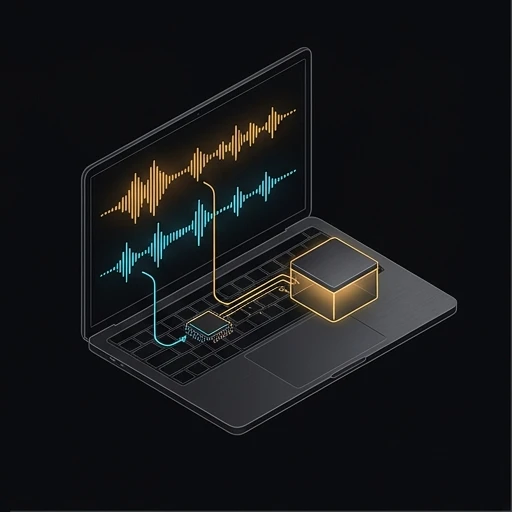
Where Oyma Fits In
Weighing Obsidian alongside Reflect exposes distinct custody models. For teams moving beyond Obsidian and Reflect, Oyma writes standard CommonMark on your Mac.
Questions
How do Obsidian and Reflect differ in storage?
Contrasting Obsidian with Reflect reveals divergent data persistence, while Oyma keeps CommonMark files on your computer.
Can Obsidian and Reflect run offline?
Compared to Obsidian and Reflect, Oyma provides complete offline writing, whereas Obsidian and Reflect apply separate offline rules.
How does pricing compare between Obsidian and Reflect?
Analyzing Obsidian against Reflect clarifies multi-year expenses, while Oyma avoids recurring software licensing fees.
How does Oyma differ from Obsidian and Reflect?
Evaluating Obsidian and Reflect alongside Oyma reveals that Oyma runs on-device, while Obsidian and Reflect differ in processing.

Try Oyma alongside Obsidian and Reflect
A private, local-first macOS alternative to Obsidian and Reflect.