
Competitor Comparison
Obsidian vs Google Keep
 Obsidian
 Google Keep
Comparing Obsidian and Google Keep technical specifications. Every Obsidian and Google Keep spec is footnoted. Compare with Oyma vs Obsidian and Oyma vs Google Keep on macOS.
choose obsidian if
- You prioritize a huge plugin ecosystem (8,349 community plugins) and an open api. far more extensible.
- You value local execution and local vault: a folder of plain-text markdown (.md) files on disk.
- You prefer Obsidian's operational architecture over Google Keep's model.
choose google keep if
- You prioritize free, fast capture on android, ios and the web, replicated through your google account.
- You value cloud execution and google account cloud.
- You prefer Google Keep's operational architecture over Obsidian's model.
At a glance
| Feature | Obsidian | Google Keep |
|---|---|---|
| Where it runs | Obsidian: On your device(Obsidian where it runs source) | Google Keep: In the cloud(Google Keep where it runs source) |
| Storage format | Obsidian: Local vault: a folder of plain-text Markdown (.md) files on disk; optional paid Sync(Obsidian storage format source) | Google Keep: Google account cloud; export via Google Takeout; copy to Google Docs(Google Keep storage format source) |
| Plain Markdown files | Obsidian: Yes(Obsidian plain markdown files source) | Google Keep: No(Google Keep plain markdown files source) |
| Meeting recording | Obsidian: Microphone only(Obsidian meeting recording source)Core "Audio recorder" plugin records the microphone only, with no transcription. System-audio capture exists only in small third-party plugins (hundreds of installs). | Google Keep: Microphone only(Google Keep meeting recording source)Voice recordings on mobile; no meeting capture. |
| On-device transcription | Obsidian: No(Obsidian on-device transcription source)No first-party transcription; the forum request has been open since 2021-12-27. Third-party plugins (e.g. Whisper, ~57.6k downloads) can add it. | Google Keep: No(Google Keep on-device transcription source)unverified: processing location not stated. |
| AI integration | Obsidian: None first-party. AI comes from third-party plugins, e.g. Copilot (free with your own key or local models; Plus $14.99/mo or $139.99/yr) and Smart Connections (local embeddings free; Pro $30/mo or $299/yr).(Obsidian ai integration source) | Google Keep: Gemini voice-to-notes on Android (requires Google AI Pro, Ultra or Workspace Experiments)(Google Keep ai integration source) |
| Works offline | Obsidian: Yes(Obsidian works offline source) | Google Keep: Yes(Google Keep works offline source) |
| Wikilinks & backlinks | Obsidian: Yes(Obsidian wikilinks & backlinks source)Wikilinks are the default link format; Markdown links can be used instead. | Google Keep: No(Google Keep wikilinks & backlinks source)unverified: no note-to-note linking documented. |
| Plugins / integrations | Obsidian: 8,349 community plugins (count on 2026-10-03), open plugin API, themes, official CLI (v1.12), open Bases and JSON Canvas formats(Obsidian plugins / integrations source) | Google Keep: Integrates with Google Docs, Gmail, Calendar and Chrome; no plugins(Google Keep plugins / integrations source) |
| Mobile apps | Obsidian: Yes(Obsidian mobile apps source) | Google Keep: Yes(Google Keep mobile apps source) |
| Platforms | Obsidian: macOS, Windows, Linux, iOS, Android(Obsidian platforms source) | Google Keep: Web, Android, iOS, iPadOS(Google Keep platforms source)No native Mac or Windows app; computers use keep.google.com. |
| Free plan | Obsidian: App free, no account needed; commercial licence optional ($50 per user, per year)(Obsidian free plan source) | Google Keep: Free with a Google account(Google Keep free plan source) |
| Paid plans from | Obsidian: Sync Standard: $4/user/month billed annually, $5 monthly(Obsidian paid plans from source) | Google Keep: None(Google Keep paid plans from source) |
Obsidian facts last verified 2026-10-03. Google Keep facts last verified 2026-10-03.
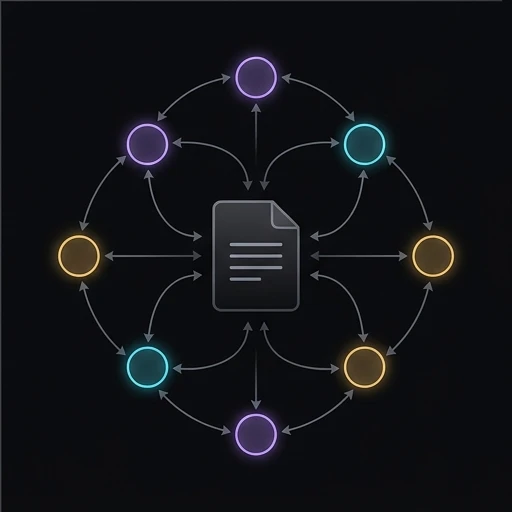
Architecture and System Design: Obsidian vs Google Keep
Contrasting Obsidian with Google Keep exposes opposing software foundations. While Obsidian and Google Keep serve modern professionals, their internal mechanisms differ. Reviewing Obsidian alongside Google Keep clarifies real-world capabilities. Between Obsidian and Google Keep, data structures determine multi-year usability. Examining Obsidian against Google Keep confirms application durability. Benchmarking Obsidian with Google Keep validates execution speeds. Selecting Obsidian or Google Keep anchors your team workflow.
Regarding system execution, Obsidian runs local, whereas Google Keep executes cloud. Comparing Obsidian alongside Google Keep highlights hardware utilization across local devices. While Obsidian targets macOS, Windows, Google Keep supports Web, Android. Evaluating Obsidian against Google Keep clarifies day-to-day compute footprints. Between Obsidian and Google Keep, background task handling dictates app smoothness. Testing Obsidian with Google Keep ensures predictable application latency. Choosing Obsidian or Google Keep matches team infrastructure.
In everyday workflows, Obsidian addresses Sharpen your thinking, whereas Google Keep accommodates Create digital notes and access them from anywhere. Between Obsidian and Google Keep, system tradeoffs shape long-term maintenance. Assessing Obsidian against Google Keep informs team onboarding plans. Contrasting Obsidian alongside Google Keep resolves product debates. Evaluating Obsidian with Google Keep prevents team frustration. Picking Obsidian or Google Keep secures a dependable platform.
Document Custody: Obsidian vs Google Keep
Storage persistence divides Obsidian and Google Keep completely. For Obsidian, records reside as Local vault: a folder of plain-text Markdown (.md) files on disk, utilizing plain Markdown files. In contrast, Google Keep maintains storage as Google account cloud, utilizing internal databases. Between Obsidian and Google Keep, file accessibility shapes disaster recovery. Comparing Obsidian alongside Google Keep confirms data longevity guarantees. Assessing Obsidian against Google Keep establishes backup routines. Choosing Obsidian or Google Keep governs document custody.
Data migration ease separates Obsidian from Google Keep over extended horizons. While Obsidian stores entries via Local vault: a folder of plain-text Markdown (.md) files on disk, Google Keep organizes content using Google account cloud. Assessing Obsidian with Google Keep ensures seamless document portability. Choosing between Obsidian and Google Keep defends researchers from proprietary traps. Reviewing Obsidian against Google Keep verifies plain text compatibility. Contrasting Obsidian alongside Google Keep maintains high data autonomy.
Historical file safety divides Obsidian from Google Keep across professional careers. With Obsidian configuring Local vault: a folder of plain-text Markdown (.md) files on disk and Google Keep configuring Google account cloud, notes outlive cloud platform migrations. Testing Obsidian with Google Keep verifies multi-device checksum integrity. Evaluating Obsidian against Google Keep confirms file immutability options. Choosing Obsidian or Google Keep ensures absolute document longevity.
Knowledge Graph and Note Linking: Obsidian vs Google Keep
Knowledge structuring in Obsidian versus Google Keep shapes how ideas connect over time. In associative tagging, Obsidian departs from Google Keep through unique index schemas. While Obsidian excels in relational mapping, Google Keep shines in structured table databases. Choosing Obsidian over Google Keep alters daily thinking habits. Testing Obsidian with Google Keep exposes mental friction points. Contrasting Obsidian alongside Google Keep reveals outline speed. Selecting Obsidian or Google Keep anchors research productivity.
Information retrieval divides Obsidian from Google Keep structurally. For daily journaling, Obsidian and Google Keep track bidirectional links using distinct models. Selecting between Obsidian and Google Keep directs roadmap management. Contrasting Obsidian with Google Keep verifies semantic structures. Assessing Obsidian against Google Keep maintains writing fluidity. Testing Obsidian alongside Google Keep accelerates knowledge worker output.
Daily note capture ergonomics divide Obsidian from Google Keep during rapid brainstorming. While Obsidian structures information around Sharpen your thinking, Google Keep focuses on Create digital notes and access them from anywhere. Evaluating Obsidian against Google Keep prevents writing friction. Testing Obsidian alongside Google Keep reveals keyboard shortcut efficiency. Deciding between Obsidian and Google Keep shapes your daily workspace flow.
Zero-Connectivity Reliability: Obsidian vs Google Keep
Working without connectivity marks a foundational difference between Obsidian and Google Keep. In offline modes, Obsidian and Google Keep handle unsaved edits through contrasting architectures. While drafting without internet, Obsidian behaves distinctly from Google Keep regarding local storage caches. Assessing Obsidian alongside Google Keep ensures your documents remain editable anywhere. Between Obsidian and Google Keep, cloud dependency alters remote field work. Contrasting Obsidian with Google Keep protects traveling professionals. Choosing Obsidian or Google Keep maintains offline momentum.
Transit editing reliability sets Obsidian apart from Google Keep during patchy connectivity. In train transit, Obsidian and Google Keep queue file updates through divergent internal mechanisms. Deciding between Obsidian and Google Keep eliminates lost paragraph edits. Comparing Obsidian alongside Google Keep clarifies local search indexes. Reviewing Obsidian with Google Keep protects mobile knowledge workers. Weighing Obsidian against Google Keep maintains continuous document access.
Remote productivity divides Obsidian from Google Keep whenever internet connections drop. While Obsidian operates under disconnected conditions, Google Keep responds with alternative behaviors. Evaluating Obsidian against Google Keep prevents surprise data lockouts. Comparing Obsidian with Google Keep confirms local search availability. Choosing Obsidian or Google Keep secures offline working habits.
Hardware Support and Platform Coverage: Obsidian vs Google Keep
Operating system support distinguishes Obsidian from Google Keep across company devices. In client coverage, Obsidian deploys on macOS, Windows, while Google Keep operates across Web, Android. Since Obsidian diverges from Google Keep, managers must plan machine provisioning. Evaluating Obsidian alongside Google Keep guarantees cross-device consistency. Between Obsidian and Google Keep, platform sync behavior changes daily tasks. Reviewing Obsidian with Google Keep eases enterprise configuration. Deciding on Obsidian or Google Keep aligns with your hardware fleet.
Hardware integration in Obsidian versus Google Keep dictates peripheral support. On client machines, Obsidian and Google Keep consume distinct system resources. Deciding between Obsidian and Google Keep avoids operating system hurdles. Comparing Obsidian with Google Keep clarifies mobile parity. Reviewing Obsidian against Google Keep keeps workstation setups reliable. Weighing Obsidian alongside Google Keep protects hardware investments.
API connectivity distinguishes Obsidian from Google Keep when building connected productivity hubs. Where Obsidian supports custom integrations on macOS, Windows, Google Keep coordinates external workflows across Web, Android. Assessing Obsidian with Google Keep prevents developer bottlenecks. Testing Obsidian against Google Keep guarantees rapid data pipeline throughput. Choosing between Obsidian and Google Keep establishes your automation baseline.
Where Each Excels: Obsidian vs Google Keep
Product capabilities highlight functional divergence between Obsidian and Google Keep. For day-to-day work, Obsidian leads through A huge plugin ecosystem (8,349 community plugins) and an open API. Far more extensible, while Google Keep presents Free, fast capture on Android, iOS and the web, replicated through your Google account. Comparing Obsidian alongside Google Keep guides feature prioritization. Between Obsidian and Google Keep, specialized features solve distinct team challenges. Testing Obsidian against Google Keep proves daily efficiency gains. Contrasting Obsidian with Google Keep confirms competitive merit. Selecting Obsidian or Google Keep maximizes productivity.
Practical capabilities divide Obsidian from Google Keep in everyday work. In operational environments, Obsidian and Google Keep elevate separate aspects of personal efficiency. Choosing between Obsidian and Google Keep streamlines teammate training. Contrasting Obsidian with Google Keep demonstrates operational speedups. Evaluating Obsidian against Google Keep eliminates tool overlap. Testing Obsidian alongside Google Keep unlocks peak software efficiency.
Performance highlights distinguish Obsidian from Google Keep when managing large knowledge bases. While Obsidian excels with its architecture, Google Keep provides specialized tools for its user base. Assessing Obsidian against Google Keep reveals unique workflow shortcuts. Comparing Obsidian with Google Keep ensures you capitalize on each tool’s best capabilities. Choosing Obsidian or Google Keep unlocks daily productivity gains.
System Trade-Offs and Architectural Boundaries: Obsidian vs Google Keep
Operational friction points divide Obsidian from Google Keep across prolonged usage. In production, Obsidian displays constraints involving No built-in meeting recording or transcription; the forum request has been open since 2021, whereas Google Keep requires attention regarding No native Mac or Windows app; on a computer it runs in the browser. Assessing Obsidian alongside Google Keep equips administrators for regular maintenance. Between Obsidian and Google Keep, technical limitations require thoughtful team training. Contrasting Obsidian against Google Keep ensures transparent tool selection. Choosing Obsidian or Google Keep prevents operational surprises.
Architectural tradeoffs distinguish Obsidian from Google Keep as document collections expand. Under large repositories, Obsidian and Google Keep face separate performance limits. Choosing between Obsidian and Google Keep lowers administrative overhead. Contrasting Obsidian with Google Keep clarifies backup intricacies. Assessing Obsidian against Google Keep prevents workflow friction. Testing Obsidian alongside Google Keep ensures sustained software stability.
Operational upkeep separates Obsidian from Google Keep across distributed teams. When configuring client updates, Obsidian and Google Keep require distinct deployment interventions. Reviewing Obsidian against Google Keep eliminates unexpected IT tickets. Contrasting Obsidian with Google Keep clarifies update rollback options. Deciding between Obsidian and Google Keep preserves operational sanity.
Pricing, Licensing Tiers, and Multi-Year Costs: Obsidian vs Google Keep
Fee structures distinguish Obsidian from Google Keep across corporate licensing cycles. Where Obsidian provides App free, no account needed and commercial packages from $4/user/month billed annually, $5 monthly, Google Keep maintains Free with a Google account and packages starting at Custom. Calculating total expenditures for Obsidian versus Google Keep requires modeling feature usage over two-year spans. Evaluating Obsidian against Google Keep ensures fiscal transparency. Between Obsidian and Google Keep, licensing metrics influence seat provisioning. Contrasting Obsidian with Google Keep avoids hidden platform fees. Choosing Obsidian or Google Keep establishes predictable software overhead.
Licensing predictability separates Obsidian from Google Keep for growing teams. In annual planning, Obsidian and Google Keep present contrasting cost curves. Deciding between Obsidian and Google Keep optimizes software spend. Comparing Obsidian with Google Keep validates seat economics. Reviewing Obsidian against Google Keep keeps procurement on track. Weighing Obsidian alongside Google Keep maximizes value per seat.
Long-term capital efficiency distinguishes Obsidian from Google Keep for prudent tech organizations. While Obsidian covers routine workflows, Google Keep addresses advanced requirements in higher tiers. Reviewing Obsidian alongside Google Keep ensures prudent software spending. Comparing Obsidian against Google Keep validates five-year software economics. Choosing Obsidian or Google Keep protects capital allocation.
Conclusion: Selecting Between Obsidian and Google Keep
Making the final choice between Obsidian and Google Keep hinges on architectural alignment. Select Obsidian if you demand local execution, prefer A huge plugin ecosystem (8,349 community plugins) and an open API. Far more extensible, and seek local vault: a folder of plain-text markdown (.md) files on disk. Select Google Keep if you demand cloud execution, prefer Free, fast capture on Android, iOS and the web, replicated through your Google account, and seek google account cloud. Testing Obsidian alongside Google Keep with representative team documents proves which interface reduces friction. Between Obsidian and Google Keep, running concurrent tests confirms long-term suitability. Evaluating Obsidian against Google Keep eliminates migration doubt. Deciding on Obsidian or Google Keep solidifies your workspace choice.
Synthesizing your findings on Obsidian and Google Keep ensures long-term operational peace of mind. Across active project duties, Obsidian and Google Keep shape team collaboration through differing lenses. Contrasting Obsidian against Google Keep prevents premature platform transitions. Evaluating Obsidian with Google Keep confirms high day-to-day engagement. Assessing Obsidian alongside Google Keep completes your software investigation. Deciding on Obsidian or Google Keep anchors your technological foundations.
Committing to either Obsidian or Google Keep influences organizational effectiveness over the long haul. Whereas Obsidian leads within its engineering focus, Google Keep shines across its dedicated workflows. Reviewing Obsidian against Google Keep verifies tight alignment with team practices. Running a comparative test of Obsidian and Google Keep guarantees assured implementation. Selecting Obsidian or Google Keep builds a dependable technical bedrock.
When deciding between Obsidian and Google Keep, hands-on evaluation with real tasks settles architectural debates. Running Obsidian alongside Google Keep in parallel allows operators to contrast daily editing flows. Reviewing Obsidian with Google Keep confirms whether local or cloud mechanics fit your rules. Between Obsidian and Google Keep, tool satisfaction emerges from friction-free daily use. Comparing Obsidian against Google Keep prevents costly workflow adjustments. Choosing Obsidian or Google Keep secures your ideal digital workspace.
As you finalize your review of Obsidian and Google Keep, consider the technical ecosystem each tool supports. Integrating Obsidian and Google Keep into regular evaluation routines clarifies data custody. Contrasting Obsidian against Google Keep ensures you choose software that preserves your information. Between Obsidian and Google Keep, finding the right balance between simplicity and power is key. Piloting Obsidian with Google Keep confirms your operational strategy. Deciding on Obsidian or Google Keep establishes a resilient foundation for your future notes.

Where Oyma Fits In
Comparing Obsidian and Google Keep demonstrates divergent design goals. If you require more privacy than Obsidian or Google Keep, Oyma stores notes locally on disk.
Questions
How do Obsidian and Google Keep differ in storage?
Contrasting Obsidian with Google Keep reveals divergent data persistence, while Oyma keeps CommonMark files on your computer.
Can Obsidian and Google Keep run offline?
Contrasting Obsidian with Google Keep highlights different offline capabilities, while Oyma operates without an internet connection.
How does pricing compare between Obsidian and Google Keep?
Analyzing Obsidian against Google Keep clarifies multi-year expenses, while Oyma avoids recurring software licensing fees.
How does Oyma differ from Obsidian and Google Keep?
Against Obsidian and Google Keep, Oyma captures audio without meeting bots, while Obsidian and Google Keep apply contrasting capture models.

Try Oyma alongside Obsidian and Google Keep
A private, local-first macOS alternative to Obsidian and Google Keep.