
Competitor Comparison
Obsidian vs Bear
 Obsidian
 Bear
Comparing Obsidian and Bear technical specifications. Every Obsidian and Bear spec is footnoted. Compare with Oyma vs Obsidian and Oyma vs Bear on macOS.
choose obsidian if
- You prioritize a huge plugin ecosystem (8,349 community plugins) and an open api. far more extensible.
- You value local execution and local vault: a folder of plain-text markdown (.md) files on disk.
- You prefer Obsidian's operational architecture over Bear's model.
choose bear if
- You prioritize beautifully polished, native writing experience on mac, iphone and ipad.
- You value local execution and local sqlite database (not .md files on disk).
- You prefer Bear's operational architecture over Obsidian's model.
At a glance
| Feature | Obsidian | Bear |
|---|---|---|
| Where it runs | Obsidian: On your device(Obsidian where it runs source) | Bear: On your device(Bear where it runs source) |
| Storage format | Obsidian: Local vault: a folder of plain-text Markdown (.md) files on disk; optional paid Sync(Obsidian storage format source) | Bear: Local SQLite database (not .md files on disk); iCloud sync with Pro; Markdown/TextBundle export(Bear storage format source)Storage format is from secondary sources; Bear's own pages do not state it. |
| Plain Markdown files | Obsidian: Yes(Obsidian plain markdown files source) | Bear: No(Bear plain markdown files source)Markdown syntax, but notes live in a database; export required to get .md files. |
| Meeting recording | Obsidian: Microphone only(Obsidian meeting recording source)Core "Audio recorder" plugin records the microphone only, with no transcription. System-audio capture exists only in small third-party plugins (hundreds of installs). | Bear: No meeting recording(Bear meeting recording source) |
| On-device transcription | Obsidian: No(Obsidian on-device transcription source)No first-party transcription; the forum request has been open since 2021-12-27. Third-party plugins (e.g. Whisper, ~57.6k downloads) can add it. | Bear: No(Bear on-device transcription source) |
| AI integration | Obsidian: None first-party. AI comes from third-party plugins, e.g. Copilot (free with your own key or local models; Plus $14.99/mo or $139.99/yr) and Smart Connections (local embeddings free; Pro $30/mo or $299/yr).(Obsidian ai integration source) | Bear: None built in; bring-your-own AI via BearCLI, a Claude connector and an MCP server (Bear 2.8, 2026-04-29)(Bear ai integration source) |
| Works offline | Obsidian: Yes(Obsidian works offline source) | Bear: Yes(Bear works offline source) |
| Wikilinks & backlinks | Obsidian: Yes(Obsidian wikilinks & backlinks source)Wikilinks are the default link format; Markdown links can be used instead. | Bear: Yes(Bear wikilinks & backlinks source) |
| Plugins / integrations | Obsidian: 8,349 community plugins (count on 2026-10-03), open plugin API, themes, official CLI (v1.12), open Bases and JSON Canvas formats(Obsidian plugins / integrations source) | Bear: BearCLI, MCP server, Claude connector, x-callback-url; themes(Bear plugins / integrations source) |
| Mobile apps | Obsidian: Yes(Obsidian mobile apps source) | Bear: Yes(Bear mobile apps source) |
| Platforms | Obsidian: macOS, Windows, Linux, iOS, Android(Obsidian platforms source) | Bear: macOS, iOS, iPadOS(Bear platforms source)A web app is in beta (secondary source). No Windows or Android. |
| Free plan | Obsidian: App free, no account needed; commercial licence optional ($50 per user, per year)(Obsidian free plan source) | Bear: Free tier (no sync)(Bear free plan source) |
| Paid plans from | Obsidian: Sync Standard: $4/user/month billed annually, $5 monthly(Obsidian paid plans from source) | Bear: Bear Pro: $2.99/month or $29.99/year(Bear paid plans from source)7-day trial; one subscription covers all devices on one Apple ID. |
Obsidian facts last verified 2026-10-03. Bear facts last verified 2026-10-03.
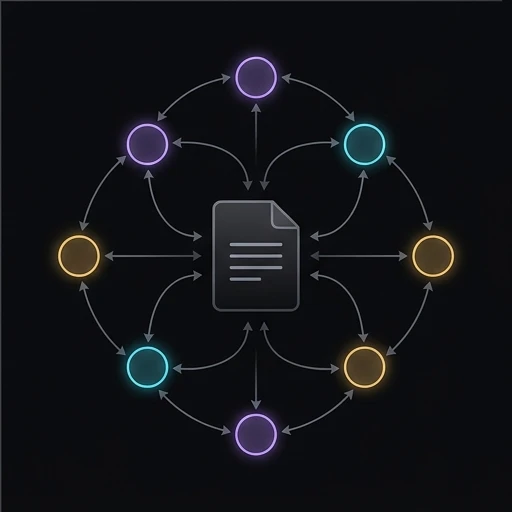
Execution Model: Obsidian vs Bear
Analyzing Obsidian against Bear reveals divergent system choices. While Obsidian and Bear support demanding workloads, their computing models differ fundamentally. Assessing Obsidian alongside Bear illuminates software tradeoffs. Between Obsidian and Bear, core runtime decisions influence application speed. Evaluating Obsidian against Bear confirms system responsiveness under load. Comparing Obsidian with Bear validates technical ROI. Choosing Obsidian or Bear establishes your technical standard.
Under real production conditions, Obsidian deploys local, while Bear implements local. Contrasting Obsidian with Bear explains system resource consumption. Whereas Obsidian serves macOS, Windows, Bear functions across macOS, iOS. Assessing Obsidian alongside Bear prevents operating bottlenecks. Between Obsidian and Bear, client processing determines energy efficiency. Reviewing Obsidian against Bear assures dependable performance. Deciding on Obsidian or Bear aligns with machine specs.
During practical usage, Obsidian prioritizes Sharpen your thinking, while Bear delivers Markdown notes you’ll love. Between Obsidian and Bear, product goals guide daily team habits. Contrasting Obsidian with Bear clarifies workspace ergonomics. Assessing Obsidian alongside Bear ensures appropriate feature usage. Evaluating Obsidian against Bear maintains high worker momentum. Deciding on Obsidian or Bear establishes your operational cadence.
File Formats and Storage Architecture: Obsidian vs Bear
Information custody marks an essential divide between Obsidian and Bear. For Obsidian, data structures center on Local vault: a folder of plain-text Markdown (.md) files on disk, while Bear applies Local SQLite database (not .md files on disk). Since Obsidian provides plain Markdown files and Bear provides internal databases, they protect records using differing paradigms. Between Obsidian and Bear, document parsing determines automation ease. Comparing Obsidian against Bear highlights filesystem accessibility. Assessing Obsidian alongside Bear avoids format obsolescence. Picking Obsidian or Bear determines file permanence.
Portability dynamics in Obsidian versus Bear define software exit strategies. As Obsidian organizes content in Local vault: a folder of plain-text Markdown (.md) files on disk, Bear encloses documents in Local SQLite database (not .md files on disk). Evaluating Obsidian alongside Bear preserves intellectual assets. Deciding between Obsidian and Bear mitigates format migration costs. Testing Obsidian against Bear demonstrates batch export speed. Comparing Obsidian with Bear establishes dependable storage routines.
Long-term archival guarantees distinguish Obsidian from Bear for serious researchers. With Obsidian storing Local vault: a folder of plain-text Markdown (.md) files on disk and Bear storing Local SQLite database (not .md files on disk), data sovereignty varies dramatically. Assessing Obsidian against Bear prevents accidental document loss. Weighing Obsidian alongside Bear clarifies disk encryption options. Choosing Obsidian or Bear protects multi-year intellectual capital.
Authoring Workflows and Structure: Obsidian vs Bear
Daily drafting ergonomics divide Obsidian from Bear during fast-paced note generation. In cross-referencing ideas, Obsidian handles links distinctly from Bear. Where Obsidian constructs dense mental graphs, Bear arranges sequential outlines. Picking Obsidian over Bear affects typing rhythm. Evaluating Obsidian against Bear guarantees comfortable drafting. Comparing Obsidian with Bear verifies search responsiveness. Deciding on Obsidian or Bear defines authoring throughput.
Index management contrasts Obsidian with Bear across large document sets. For reference filing, Obsidian and Bear implement separate lookup algorithms. Deciding between Obsidian and Bear prevents fragmented thinking. Comparing Obsidian with Bear shows outline clarity. Reviewing Obsidian alongside Bear accelerates project documentation. Weighing Obsidian against Bear supports rigorous research.
Rapid note entry workflows distinguish Obsidian from Bear during fast-paced ideation. Whereas Obsidian builds documents around Sharpen your thinking, Bear centers workflows on Markdown notes you’ll love. Contrasting Obsidian against Bear removes authoring friction. Assessing Obsidian alongside Bear demonstrates command bar responsiveness. Selecting between Obsidian and Bear guides daily computer flow.
Disconnected Operation and Airplane Mode: Obsidian vs Bear
Zero-network reliability distinguishes Obsidian from Bear in remote workspaces. When working beyond cellular reach, Obsidian operates under different principles than Bear. During remote travel, Obsidian contrasts with Bear in maintaining instant file access. Reviewing Obsidian alongside Bear prevents document editing lockouts. Between Obsidian and Bear, data synchronization requirements determine offline freedom. Testing Obsidian against Bear confirms local search speeds. Deciding on Obsidian or Bear preserves daily productivity.
Disconnected stability separates Obsidian from Bear in daily transit. In tunnel conditions, Obsidian and Bear maintain distinct cache buffers. Deciding between Obsidian and Bear prevents stranded changes. Comparing Obsidian with Bear validates offline indexing. Reviewing Obsidian against Bear assures field workers. Weighing Obsidian alongside Bear guarantees document availability.
Zero-connectivity output distinguishes Obsidian from Bear during unexpected network blackouts. While Obsidian functions smoothly without web access, Bear reacts via different mechanisms. Assessing Obsidian against Bear prevents sudden application locks. Contrasting Obsidian with Bear validates full-text offline indexing. Deciding on Obsidian or Bear protects mobile productivity habits.
Device Compatibility and Ecosystem: Obsidian vs Bear
Platform availability distinguishes Obsidian from Bear for mixed computing environments. Where Obsidian accommodates macOS, Windows, Bear accommodates macOS, iOS. Since Obsidian behaves distinctly from Bear, procurement leads review hardware compatibility. Assessing Obsidian with Bear guarantees uninterrupted user handoffs. Between Obsidian and Bear, operating system integrations influence notification handling. Contrasting Obsidian against Bear streamlines endpoint rollout. Deciding on Obsidian or Bear satisfies technical requirements.
Client resource consumption separates Obsidian from Bear during heavy multi-tasking. Under background sync, Obsidian and Bear place different demands on host memory. Deciding between Obsidian and Bear prevents computer slowdowns. Contrasting Obsidian with Bear proves graphical interface agility. Assessing Obsidian alongside Bear protects laptop thermal margins. Testing Obsidian against Bear keeps operating environments fluid.
External scripting adaptability divides Obsidian from Bear in automated build systems. While Obsidian interfaces with local shell hooks on macOS, Windows, Bear communicates via web hooks across macOS, iOS. Evaluating Obsidian alongside Bear avoids workflow friction. Contrasting Obsidian with Bear validates programmatic document export. Deciding between Obsidian and Bear enables clean automation pipelines.
Competitive Advantages: Obsidian vs Bear
Key functional edges distinguish Obsidian from Bear across common user workflows. Specifically, Obsidian excels with A huge plugin ecosystem (8,349 community plugins) and an open API. Far more extensible, whereas Bear counters with Beautifully polished, native writing experience on Mac, iPhone and iPad. Reviewing Obsidian against Bear clarifies distinct software value propositions. Between Obsidian and Bear, unique selling points attract specific personas. Evaluating Obsidian alongside Bear ensures appropriate tooling choices. Choosing Obsidian or Bear unlocks specialized capabilities.
Practical capabilities divide Obsidian from Bear in everyday work. In operational environments, Obsidian and Bear elevate separate aspects of personal efficiency. Choosing between Obsidian and Bear streamlines teammate training. Contrasting Obsidian with Bear demonstrates operational speedups. Evaluating Obsidian against Bear eliminates tool overlap. Testing Obsidian alongside Bear unlocks peak software efficiency.
Performance highlights distinguish Obsidian from Bear when managing large knowledge bases. While Obsidian excels with its architecture, Bear provides specialized tools for its user base. Assessing Obsidian against Bear reveals unique workflow shortcuts. Comparing Obsidian with Bear ensures you capitalize on each tool’s best capabilities. Choosing Obsidian or Bear unlocks daily productivity gains.
Operational Boundaries: Obsidian vs Bear
Documented constraints reveal technical limits in Obsidian and Bear. For Obsidian, verified boundaries center on No built-in meeting recording or transcription; the forum request has been open since 2021, which Bear users do not experience in the same way. For Bear, documented limits include Apple-only: no Windows or Android, requiring Obsidian users to assess alternative workarounds. Evaluating Obsidian against Bear establishes realistic expectations. Between Obsidian and Bear, known limitations shape long-term maintenance. Contrasting Obsidian with Bear avoids deployment surprises. Choosing Obsidian or Bear prevents technical debt.
Long-term stability dynamics divide Obsidian from Bear under growing document libraries. As workspaces reach gigabytes of content, Obsidian and Bear encounter divergent memory ceilings. Deciding between Obsidian and Bear safeguards system responsiveness. Comparing Obsidian against Bear validates background indexer overhead. Reviewing Obsidian alongside Bear keeps application load times low. Weighing Obsidian with Bear guarantees stable knowledge management.
System maintenance routines divide Obsidian from Bear for solitary knowledge workers. For backup scheduling and cache pruning, Obsidian and Bear involve different user interventions. Assessing Obsidian with Bear prevents unexpected data loss. Comparing Obsidian against Bear ensures automated safety protocols. Choosing Obsidian or Bear guarantees reliable, hands-off maintenance.
Subscription Models and Commercial Costs: Obsidian vs Bear
Fee structures distinguish Obsidian from Bear across corporate licensing cycles. Where Obsidian provides App free, no account needed and commercial packages from $4/user/month billed annually, $5 monthly, Bear maintains Free tier (no replication) and packages starting at $2.99/month or $29.99/year. Calculating total expenditures for Obsidian versus Bear requires modeling feature usage over two-year spans. Evaluating Obsidian against Bear ensures fiscal transparency. Between Obsidian and Bear, licensing metrics influence seat provisioning. Contrasting Obsidian with Bear avoids hidden platform fees. Choosing Obsidian or Bear establishes predictable software overhead.
Pricing predictability sets Obsidian apart from Bear during organizational restructuring. In auditing software renewals, Obsidian and Bear present different contract commitments. Deciding between Obsidian and Bear protects budget flexibility. Comparing Obsidian with Bear demonstrates sustainable licensing economics. Reviewing Obsidian alongside Bear keeps corporate spending aligned. Weighing Obsidian against Bear ensures prudent software investments.
Long-term capital efficiency distinguishes Obsidian from Bear for prudent tech organizations. While Obsidian covers routine workflows, Bear addresses advanced requirements in higher tiers. Reviewing Obsidian alongside Bear ensures prudent software spending. Comparing Obsidian against Bear validates five-year software economics. Choosing Obsidian or Bear protects capital allocation.
Definitive Verdict: Obsidian vs Bear
Deciding between Obsidian and Bear comes down to daily operational alignment. Opt for Obsidian if you value local operations, prioritize A huge plugin ecosystem (8,349 community plugins) and an open API. Far more extensible, and favor local vault: a folder of plain-text markdown (.md) files on disk. Opt for Bear if you value local operations, prioritize Beautifully polished, native writing experience on Mac, iPhone and iPad, and favor local sqlite database (not .md files on disk). Reviewing Obsidian alongside Bear through practical project exercises reveals real-world advantages. Between Obsidian and Bear, a direct trial confirms user comfort. Contrasting Obsidian with Bear ensures confident software adoption. Choosing Obsidian or Bear resolves your tooling search.
Concluding comparisons between Obsidian and Bear solidifies your regular production toolkit. Throughout daily duties, Obsidian and Bear provide divergent user interactions. Contrasting Obsidian against Bear protects against subsequent software re-evaluations. Assessing Obsidian with Bear delivers operational contentment. Examining Obsidian alongside Bear wraps up your tooling study. Deciding on Obsidian or Bear cements your workspace workflow.
Adopting either Obsidian or Bear establishes the operational cadence of your digital workstation. While Obsidian demonstrates mastery in its technical paradigm, Bear leads in its chosen operational model. Evaluating Obsidian with Bear guarantees complete synergy with your research habits. Piloting Obsidian alongside Bear confirms the optimal user interface choice. Deciding on Obsidian or Bear ensures long-term software fulfillment.
When deciding between Obsidian and Bear, hands-on evaluation with real tasks settles architectural debates. Running Obsidian alongside Bear in parallel allows operators to contrast daily editing flows. Reviewing Obsidian with Bear confirms whether local or cloud mechanics fit your rules. Between Obsidian and Bear, tool satisfaction emerges from friction-free daily use. Comparing Obsidian against Bear prevents costly workflow adjustments. Choosing Obsidian or Bear secures your ideal digital workspace.
As you finalize your review of Obsidian and Bear, consider the technical ecosystem each tool supports. Integrating Obsidian and Bear into regular evaluation routines clarifies data custody. Contrasting Obsidian against Bear ensures you choose software that preserves your information. Between Obsidian and Bear, finding the right balance between simplicity and power is key. Piloting Obsidian with Bear confirms your operational strategy. Deciding on Obsidian or Bear establishes a resilient foundation for your future notes.
Where Oyma Fits In
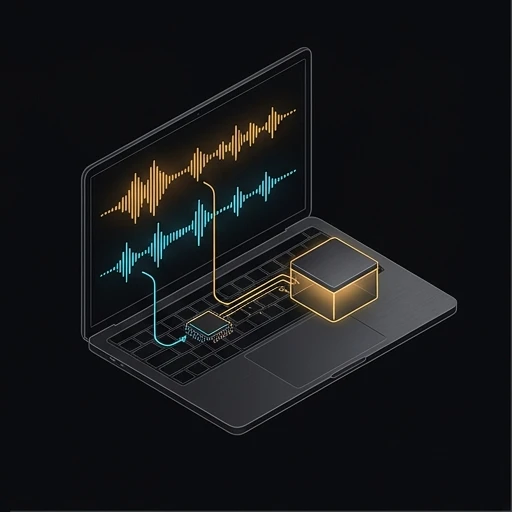
Analyzing Obsidian against Bear clarifies software tradeoffs. Alongside Obsidian and Bear, Oyma offers local-first macOS note-taking and botless call capture.
Questions
How do Obsidian and Bear differ in storage?
Analyzing Obsidian against Bear confirms distinct file structures, while Oyma maintains direct folder access on macOS.
Can Obsidian and Bear run offline?
Between Obsidian and Bear, disconnected operation differs noticeably, while Oyma functions fully offline on macOS.
How does pricing compare between Obsidian and Bear?
Contrasting Obsidian with Bear exposes different seat scaling costs, while Oyma runs locally on your Mac hardware.
How does Oyma differ from Obsidian and Bear?
As an alternative to Obsidian and Bear, Oyma records calls privately, while Obsidian and Bear follow distinct transcription rules.

Try Oyma alongside Obsidian and Bear
A private, local-first macOS alternative to Obsidian and Bear.