
Competitor Comparison
Notion vs Bear
 Notion
 Bear
Comparing Notion and Bear technical specifications. Every Notion and Bear spec is footnoted. Compare with Oyma vs Notion and Oyma vs Bear on macOS.
choose notion if
- You prioritize team collaboration, permissions and shared workspaces at scale.
- You value cloud execution and proprietary block database on notion servers.
- You prefer Notion's operational architecture over Bear's model.
choose bear if
- You prioritize beautifully polished, native writing experience on mac, iphone and ipad.
- You value local execution and local sqlite database (not .md files on disk).
- You prefer Bear's operational architecture over Notion's model.
At a glance
| Feature | Notion | Bear |
|---|---|---|
| Where it runs | Notion: In the cloud(Notion where it runs source) | Bear: On your device(Bear where it runs source) |
| Storage format | Notion: Proprietary block database on Notion servers; Markdown export available, no .md files on disk(Notion storage format source) | Bear: Local SQLite database (not .md files on disk); iCloud sync with Pro; Markdown/TextBundle export(Bear storage format source)Storage format is from secondary sources; Bear's own pages do not state it. |
| Plain Markdown files | Notion: No(Notion plain markdown files source) | Bear: No(Bear plain markdown files source)Markdown syntax, but notes live in a database; export required to get .md files. |
| Meeting recording | Notion: Records without a bot(Notion meeting recording source)Desktop app (Mac 13+, Windows) records mic plus system audio with no bot; web and mobile capture the mic only. Requires Business or Enterprise. | Bear: No meeting recording(Bear meeting recording source) |
| On-device transcription | Notion: No(Notion on-device transcription source)Audio is uploaded to and stored on Notion servers until deleted. | Bear: No(Bear on-device transcription source) |
| AI integration | Notion: Notion AI (chat, search, writing), Notion Agents and Custom Agents (credit-based); full AI on Business and Enterprise only, Free and Plus get a limited trial(Notion ai integration source) | Bear: None built in; bring-your-own AI via BearCLI, a Claude connector and an MCP server (Bear 2.8, 2026-04-29)(Bear ai integration source) |
| Works offline | Notion: Yes(Notion works offline source)Offline mode exists for notes; data lives on Notion servers and meeting notes need a connection. | Bear: Yes(Bear works offline source) |
| Wikilinks & backlinks | Notion: Yes(Notion wikilinks & backlinks source)Typing [[ links to a page and creates a backlink; links are stored in Notion's own format, not as [[ ]] text. | Bear: Yes(Bear wikilinks & backlinks source) |
| Plugins / integrations | Notion: Public API, integrations, Custom Agents and Workers (beta), templates marketplace(Notion plugins / integrations source) | Bear: BearCLI, MCP server, Claude connector, x-callback-url; themes(Bear plugins / integrations source) |
| Mobile apps | Notion: Yes(Notion mobile apps source) | Bear: Yes(Bear mobile apps source) |
| Platforms | Notion: Web, macOS, Windows, iOS, Android(Notion platforms source) | Bear: macOS, iOS, iPadOS(Bear platforms source)A web app is in beta (secondary source). No Windows or Android. |
| Free plan | Notion: Free plan $0; AI is a limited trial(Notion free plan source) | Bear: Free tier (no sync)(Bear free plan source) |
| Paid plans from | Notion: Plus: $10 per seat/month billed yearly, $12 monthly(Notion paid plans from source) | Bear: Bear Pro: $2.99/month or $29.99/year(Bear paid plans from source)7-day trial; one subscription covers all devices on one Apple ID. |
Notion facts last verified 2026-10-03. Bear facts last verified 2026-10-03.
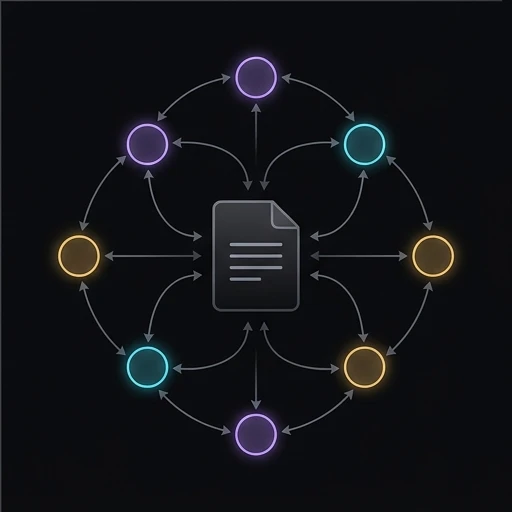
Execution Model: Notion vs Bear
Comparing Notion and Bear demonstrates key architectural differences. While Notion and Bear solve common productivity needs, their execution paths diverge. Evaluating Notion alongside Bear helps operators pick the right runtime. Between Notion and Bear, background workloads require careful planning. Assessing Notion against Bear prevents workspace friction. Testing Notion with Bear verifies process responsiveness. Choosing Notion or Bear establishes your operational baseline.
When handling intensive tasks, Notion utilizes cloud, whereas Bear prioritizes local. Analyzing Notion against Bear establishes runtime expectations. Where Notion focuses on Web, macOS, Bear accommodates macOS, iOS. Comparing Notion alongside Bear prevents hardware mismatches. Between Notion and Bear, platform engines dictate battery longevity. Evaluating Notion with Bear ensures smooth daily operation. Picking Notion or Bear provides consistent computing.
During practical usage, Notion prioritizes Where teams and agents Think together, while Bear delivers Markdown notes you’ll love. Between Notion and Bear, product goals guide daily team habits. Contrasting Notion with Bear clarifies workspace ergonomics. Assessing Notion alongside Bear ensures appropriate feature usage. Evaluating Notion against Bear maintains high worker momentum. Deciding on Notion or Bear establishes your operational cadence.
Storage Formats and Data Sovereignty: Notion vs Bear
File persistence creates clear boundaries between Notion and Bear. In Notion, documents are structured as Proprietary block database on Notion servers, whereas Bear formats entries as Local SQLite database (not .md files on disk). Because Notion incorporates internal databases while Bear applies internal databases, both tools enforce distinct custody models. Between Notion and Bear, local folder structures prevent data lock-in. Evaluating Notion with Bear guarantees transparent file migration. Contrasting Notion against Bear clarifies storage overhead. Deciding on Notion or Bear governs your archival safety.
Data migration ease separates Notion from Bear over extended horizons. While Notion stores entries via Proprietary block database on Notion servers, Bear organizes content using Local SQLite database (not .md files on disk). Assessing Notion with Bear ensures seamless document portability. Choosing between Notion and Bear defends researchers from proprietary traps. Reviewing Notion against Bear verifies plain text compatibility. Contrasting Notion alongside Bear maintains high data autonomy.
Long-term archival guarantees distinguish Notion from Bear for serious researchers. With Notion storing Proprietary block database on Notion servers and Bear storing Local SQLite database (not .md files on disk), data sovereignty varies dramatically. Assessing Notion against Bear prevents accidental document loss. Weighing Notion alongside Bear clarifies disk encryption options. Choosing Notion or Bear protects multi-year intellectual capital.
Writing Ergonomics and Taxonomy: Notion vs Bear
Daily drafting ergonomics divide Notion from Bear during fast-paced note generation. In cross-referencing ideas, Notion handles links distinctly from Bear. Where Notion constructs dense mental graphs, Bear arranges sequential outlines. Picking Notion over Bear affects typing rhythm. Evaluating Notion against Bear guarantees comfortable drafting. Comparing Notion with Bear verifies search responsiveness. Deciding on Notion or Bear defines authoring throughput.
Information retrieval divides Notion from Bear structurally. For daily journaling, Notion and Bear track bidirectional links using distinct models. Selecting between Notion and Bear directs roadmap management. Contrasting Notion with Bear verifies semantic structures. Assessing Notion against Bear maintains writing fluidity. Testing Notion alongside Bear accelerates knowledge worker output.
Scratchpad usability distinguishes Notion from Bear for quick task logging. As Notion revolves around Where teams and agents Think together, Bear prioritizes Markdown notes you’ll love. Assessing Notion against Bear eliminates cognitive drag. Comparing Notion with Bear ensures instant input responsiveness. Selecting between Notion and Bear anchors clean document creation.
Disconnected Operation and Airplane Mode: Notion vs Bear
Zero-network reliability distinguishes Notion from Bear in remote workspaces. When working beyond cellular reach, Notion operates under different principles than Bear. During remote travel, Notion contrasts with Bear in maintaining instant file access. Reviewing Notion alongside Bear prevents document editing lockouts. Between Notion and Bear, data synchronization requirements determine offline freedom. Testing Notion against Bear confirms local search speeds. Deciding on Notion or Bear preserves daily productivity.
Commuting resilience divides Notion from Bear during daily travel. In transit tunnels, Notion and Bear store pending changes in contrasting buffers. Choosing between Notion and Bear avoids uncommitted edits. Contrasting Notion with Bear demonstrates local search speed. Assessing Notion against Bear provides peace of mind for traveling staff. Testing Notion alongside Bear assures instant file retrieval.
Zero-connectivity output distinguishes Notion from Bear during unexpected network blackouts. While Notion functions smoothly without web access, Bear reacts via different mechanisms. Assessing Notion against Bear prevents sudden application locks. Contrasting Notion with Bear validates full-text offline indexing. Deciding on Notion or Bear protects mobile productivity habits.
Platform Ecosystem and Operating Systems: Notion vs Bear
Device ecosystem reach separates Notion from Bear across enterprise fleets. While Notion serves users on Web, macOS, Bear addresses teams on macOS, iOS. As Notion separates from Bear, systems engineers assess client package maintenance. Reviewing Notion alongside Bear validates operating system parity. Between Notion and Bear, platform implementations dictate interface polish. Evaluating Notion against Bear prevents hardware mismatches. Choosing Notion or Bear accommodates multi-platform staff.
Hardware integration in Notion versus Bear dictates peripheral support. On client machines, Notion and Bear consume distinct system resources. Deciding between Notion and Bear avoids operating system hurdles. Comparing Notion with Bear clarifies mobile parity. Reviewing Notion against Bear keeps workstation setups reliable. Weighing Notion alongside Bear protects hardware investments.
External scripting adaptability divides Notion from Bear in automated build systems. While Notion interfaces with local shell hooks on Web, macOS, Bear communicates via web hooks across macOS, iOS. Evaluating Notion alongside Bear avoids workflow friction. Contrasting Notion with Bear validates programmatic document export. Deciding between Notion and Bear enables clean automation pipelines.
Comparative Strengths and Practical Advantages: Notion vs Bear
Flagship feature sets separate Notion from Bear in everyday production environments. When evaluating execution, Notion delivers Team collaboration, permissions and shared workspaces at scale, while Bear delivers Beautifully polished, native writing experience on Mac, iPhone and iPad. Assessing Notion alongside Bear matches features to project demands. Between Notion and Bear, key operational strengths define software satisfaction. Contrasting Notion against Bear demonstrates distinct advantages. Deciding on Notion or Bear elevates team performance.
Functional advantages separate Notion from Bear across daily tasks. In production use, Notion and Bear optimize distinct productivity metrics. Deciding between Notion and Bear clarifies user onboarding. Comparing Notion with Bear exposes workflow acceleration. Reviewing Notion against Bear prevents feature duplication. Weighing Notion alongside Bear drives optimal software utilization.
Throughput characteristics separate Notion from Bear when handling extensive project libraries. Whereas Notion leads through its engine, Bear offers bespoke tooling for its community. Reviewing Notion against Bear uncovers specialized efficiency tricks. Contrasting Notion with Bear guarantees you leverage each tool’s strongest assets. Deciding on Notion or Bear enhances daily team throughput.
Operational Boundaries: Notion vs Bear
Platform boundaries expose structural compromises across Notion and Bear. In Notion, established constraints involve AI Meeting Notes requires the Business plan ($20/seat/month billed yearly) or higher, a friction point Bear sidesteps through different designs. In Bear, verified limitations involve Apple-only: no Windows or Android, prompting Notion users to evaluate mitigation steps. Reviewing Notion against Bear sets pragmatic operational expectations. Between Notion and Bear, recognized trade-offs influence ongoing administration. Assessing Notion with Bear prevents implementation roadblocks. Deciding on Notion or Bear minimizes software debt.
Database scaling limits separate Notion from Bear when handling tens of thousands of records. When linking complex datasets, Notion and Bear exhibit contrasting index memory usage. Deciding between Notion and Bear prevents sudden application slowdowns. Comparing Notion alongside Bear confirms stable multi-year performance. Reviewing Notion with Bear protects project investments. Weighing Notion against Bear maintains high software efficiency.
Upkeep requirements contrast Notion with Bear across extended organizational rollouts. Whereas Notion demands tailored operational care, Bear entails distinct administrative procedures. Reviewing Notion against Bear eliminates hidden support costs. Benchmarking Notion alongside Bear equips staff for production maintenance. Deciding on Notion or Bear guarantees straightforward lifetime support.
Licensing Tiers and Total Cost of Ownership: Notion vs Bear
Commercial investments divide Notion from Bear for enterprise software buyers. In plan options, Notion offers Free plan $0 with business rates from $10 per seat/month billed yearly, $12 monthly, whereas Bear features Free tier (no replication) with rates from $2.99/month or $29.99/year. Assessing Notion alongside Bear clarifies total cost of operation across multi-year contracts. Between Notion and Bear, enterprise add-ons change per-seat licensing totals. Reviewing Notion against Bear maintains sound budget allocation. Deciding on Notion or Bear assures sustainable tooling costs.
Expense scaling creates financial separation between Notion and Bear over multi-year horizons. As staff rosters increase, Notion and Bear calculate licensing through different unit mechanics. Choosing between Notion and Bear keeps software overhead lean. Contrasting Notion with Bear highlights team license economics. Assessing Notion against Bear preserves capital efficiency. Testing Notion alongside Bear maximizes tooling effectiveness.
Lifetime software expenses separate Notion from Bear when factoring in infrastructure add-ons. While Notion bundles its primary suite, Bear provides specialized tools in premium plans. Evaluating Notion alongside Bear provides clarity on five-year licensing commitments. Comparing Notion against Bear eliminates unanticipated add-on costs. Choosing between Notion and Bear keeps overall tooling expenses balanced.
Conclusion: Selecting Between Notion and Bear
Deciding between Notion and Bear comes down to daily operational alignment. Opt for Notion if you value cloud operations, prioritize Team collaboration, permissions and shared workspaces at scale, and favor proprietary block database on notion servers. Opt for Bear if you value local operations, prioritize Beautifully polished, native writing experience on Mac, iPhone and iPad, and favor local sqlite database (not .md files on disk). Reviewing Notion alongside Bear through practical project exercises reveals real-world advantages. Between Notion and Bear, a direct trial confirms user comfort. Contrasting Notion with Bear ensures confident software adoption. Choosing Notion or Bear resolves your tooling search.
Final assessment between Notion and Bear confirms your daily operational stack. In routine work, Notion and Bear deliver contrasting user experiences. Evaluating Notion against Bear prevents future platform migrations. Comparing Notion with Bear guarantees workflow satisfaction. Reviewing Notion alongside Bear concludes your technical evaluation. Choosing Notion or Bear anchors your team workflow.
Standardizing on either Notion or Bear empowers your projects with robust document handling. Where Notion delivers outstanding performance in its design envelope, Bear provides exceptional power across its toolset. Assessing Notion alongside Bear ensures informed technology investment. Comparing Notion with Bear eliminates uncertainty in workspace selection. Picking Notion or Bear solidifies your operational foundation.
Piloting both Notion and Bear with real deliverables provides decisive technical proof. Because Notion and Bear handle daily data differently, side-by-side trials clarify ergonomic fit. Comparing Notion with Bear confirms application stability under actual user workloads. Between Notion and Bear, interface polish drives daily focus. Assessing Notion alongside Bear prevents future platform regrets. Choosing Notion or Bear delivers reliable long-term performance.
Finalizing your assessment of Notion and Bear sets the stage for productive future work. Comparing Notion against Bear through verified specifications validates your technical strategy. Between Notion and Bear, understanding core tradeoffs guarantees confident software adoption. Evaluating Notion alongside Bear ensures seamless integration into existing routines. Testing Notion with Bear confirms long-term satisfaction. Choosing Notion or Bear establishes your optimal operational foundation.
Where Oyma Fits In
Comparing Notion and Bear demonstrates divergent design goals. If you require more privacy than Notion or Bear, Oyma stores notes locally on disk.
Questions
How do Notion and Bear differ in storage?
Analyzing Notion against Bear confirms distinct file structures, while Oyma maintains direct folder access on macOS.
Can Notion and Bear run offline?
Between Notion and Bear, disconnected operation differs noticeably, while Oyma functions fully offline on macOS.
How does pricing compare between Notion and Bear?
Between Notion and Bear, licensing models establish distinct commercial tiers, while Oyma has no recurring subscriptions.
How does Oyma differ from Notion and Bear?
Evaluating Notion and Bear alongside Oyma reveals that Oyma runs on-device, while Notion and Bear differ in processing.

Try Oyma alongside Notion and Bear
A private, local-first macOS alternative to Notion and Bear.