
Competitor Comparison
Logseq vs Reflect
 Logseq
 Reflect
Comparing Logseq and Reflect technical specifications. Every Logseq and Reflect spec is footnoted. Compare with Oyma vs Logseq and Oyma vs Reflect on macOS.
choose logseq if
- You prioritize free and open source with an active community (45k+ github stars).
- You value local execution and logseq og: local markdown files (maintenance only). logseq 2.0 (beta since 2026-07-13): local sqlite database graphs, markdown export.
- You prefer Logseq's operational architecture over Reflect's model.
choose reflect if
- You prioritize free and mit-licensed on mac, with plain .md files, backlinks and daily notes.
- You value hybrid execution and ordinary .md files in daily/, notes/ and assets/ folders the user chooses.
- You prefer Reflect's operational architecture over Logseq's model.
At a glance
| Feature | Logseq | Reflect |
|---|---|---|
| Where it runs | Logseq: On your device(Logseq where it runs source) | Reflect: Device and cloud(Reflect where it runs source)Notes are local files; AI features send data directly to the user's own cloud AI provider (OpenAI, Anthropic, Google, OpenRouter). |
| Storage format | Logseq: Logseq OG: local Markdown files (maintenance only). Logseq 2.0 (beta since 2026-07-13): local SQLite database graphs, Markdown export(Logseq storage format source) | Reflect: Ordinary .md files in daily/, notes/ and assets/ folders the user chooses; sync via iCloud Drive or Git(Reflect storage format source) |
| Plain Markdown files | Logseq: Yes(Logseq plain markdown files source)True for Logseq OG, the file-based version, which now gets security fixes and dependency upgrades only. The 2.0 "DB version" stores a SQLite database. | Reflect: Yes(Reflect plain markdown files source) |
| Meeting recording | Logseq: No meeting recording(Logseq meeting recording source) | Reflect: Microphone only(Reflect meeting recording source)unverified: Reflect offers voice transcription and meeting-note summaries via your API key; system-audio capture of calls was not verified. |
| On-device transcription | Logseq: No(Logseq on-device transcription source) | Reflect: No(Reflect on-device transcription source)Transcription uses the user's cloud API key. |
| AI integration | Logseq: None first-party(Logseq ai integration source)unverified: no AI feature mentioned on official pages. | Reflect: Bring-your-own key only (OpenAI, Anthropic, Google, OpenRouter): voice transcription, note Q&A with sources, meeting-note summaries, writing help, custom prompts(Reflect ai integration source) |
| Works offline | Logseq: Yes(Logseq works offline source) | Reflect: Yes(Reflect works offline source) |
| Wikilinks & backlinks | Logseq: Yes(Logseq wikilinks & backlinks source) | Reflect: Yes(Reflect wikilinks & backlinks source) |
| Plugins / integrations | Logseq: Plugin marketplace and themes; open source (AGPL)(Logseq plugins / integrations source) | Reflect: Open source (MIT); plain files readable by AI agents and any Markdown editor(Reflect plugins / integrations source) |
| Mobile apps | Logseq: Yes(Logseq mobile apps source) | Reflect: Yes(Reflect mobile apps source)iPhone and iPad apps are paid subscriptions. |
| Platforms | Logseq: macOS, Windows, Linux, Android, iOS(Logseq platforms source)New iOS app ships with 2.0 (secondary source). | Reflect: macOS, iOS, iPadOS(Reflect platforms source) |
| Free plan | Logseq: Free and open source (AGPL)(Logseq free plan source) | Reflect: Reflect Open is free and open source on Mac (MIT)(Reflect free plan source) |
| Paid plans from | Logseq: None(Logseq paid plans from source) | Reflect: iPhone/iPad app: Paid subscription, price set per region through the App Store(Reflect paid plans from source)unverified: exact price not shown on the official page. |
Logseq facts last verified 2026-10-03. Reflect facts last verified 2026-10-03.
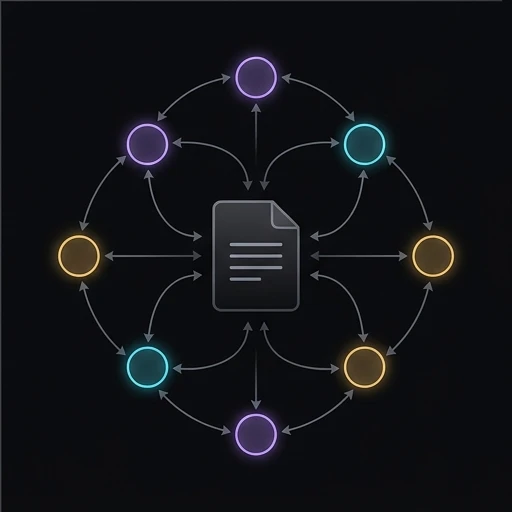
Technical Foundations: Logseq vs Reflect
Reviewing Logseq alongside Reflect demonstrates fundamental product differences. While Logseq and Reflect target personal and team productivity, their architectures address distinct priorities. Examining Logseq against Reflect exposes operational distinctions. Between Logseq and Reflect, storage and compute boundaries govern performance. Testing Logseq alongside Reflect checks process stability under load. Contrasting Logseq with Reflect ensures informed tooling selection. Selecting Logseq or Reflect ensures optimal team efficiency.
Across client workstations, Logseq structures local, whereas Reflect coordinates hybrid. Contrasting Logseq against Reflect informs workstation management. While Logseq supports macOS, Windows, Reflect provisions macOS, iOS. Examining Logseq with Reflect confirms system compatibility. Between Logseq and Reflect, architectural choices influence daily uptime. Evaluating Logseq alongside Reflect guarantees solid application stability. Deciding on Logseq or Reflect anchors your daily stack.
Across active projects, Logseq organizes work via A privacy-first, open-source knowledge base, while Reflect structures data via Think better with Reflect. Between Logseq and Reflect, design philosophies dictate organizational clarity. Reviewing Logseq alongside Reflect avoids unnecessary software changes. Comparing Logseq with Reflect ensures smooth collaboration. Testing Logseq against Reflect verifies editing comfort. Choosing Logseq or Reflect optimizes project tracking.
Document Custody: Logseq vs Reflect
Information custody marks an essential divide between Logseq and Reflect. For Logseq, data structures center on Logseq OG: local Markdown files (maintenance only). Logseq 2.0 (beta since 2026-07-13): local SQLite database graphs, Markdown export, while Reflect applies Ordinary .md files in daily/, notes/ and assets/ folders the user chooses. Since Logseq provides plain Markdown files and Reflect provides plain Markdown files, they protect records using differing paradigms. Between Logseq and Reflect, document parsing determines automation ease. Comparing Logseq against Reflect highlights filesystem accessibility. Assessing Logseq alongside Reflect avoids format obsolescence. Picking Logseq or Reflect determines file permanence.
Document custody in Logseq versus Reflect impacts migration friction. While Logseq isolates notes in Logseq OG: local Markdown files (maintenance only). Logseq 2.0 (beta since 2026-07-13): local SQLite database graphs, Markdown export, Reflect manages notes in Ordinary .md files in daily/, notes/ and assets/ folders the user chooses. Reviewing Logseq alongside Reflect protects multi-year research. Deciding between Logseq and Reflect prevents proprietary schema lock-in. Testing Logseq with Reflect confirms export fidelity. Comparing Logseq against Reflect ensures independent file durability.
Decade-long readability separates Logseq from Reflect for academic institutions. With Logseq providing Logseq OG: local Markdown files (maintenance only). Logseq 2.0 (beta since 2026-07-13): local SQLite database graphs, Markdown export and Reflect providing Ordinary .md files in daily/, notes/ and assets/ folders the user chooses, record indexing avoids external dependencies. Comparing Logseq alongside Reflect validates open-standard longevity. Assessing Logseq against Reflect guards against subscription lapses. Deciding on Logseq or Reflect protects lifetime documentation.
Daily Note-Taking Mechanics: Logseq vs Reflect
Daily drafting ergonomics divide Logseq from Reflect during fast-paced note generation. In cross-referencing ideas, Logseq handles links distinctly from Reflect. Where Logseq constructs dense mental graphs, Reflect arranges sequential outlines. Picking Logseq over Reflect affects typing rhythm. Evaluating Logseq against Reflect guarantees comfortable drafting. Comparing Logseq with Reflect verifies search responsiveness. Deciding on Logseq or Reflect defines authoring throughput.
Knowledge management separates Logseq from Reflect functionally. In daily notes, Logseq and Reflect handle backlinks through opposing paradigms. Deciding between Logseq and Reflect guides project planning. Comparing Logseq with Reflect validates relational taxonomies. Reviewing Logseq against Reflect ensures seamless writing. Weighing Logseq alongside Reflect maximizes researcher productivity.
Idea capture speed creates practical differences between Logseq and Reflect. While Logseq delivers A privacy-first, open-source knowledge base, Reflect provides Think better with Reflect. Reviewing Logseq against Reflect ensures distraction-free note creation. Comparing Logseq alongside Reflect highlights markdown parsing latency. Choosing between Logseq and Reflect improves daily typing speed.
Network Resilience and Offline Access: Logseq vs Reflect
Zero-network reliability distinguishes Logseq from Reflect in remote workspaces. When working beyond cellular reach, Logseq operates under different principles than Reflect. During remote travel, Logseq contrasts with Reflect in maintaining instant file access. Reviewing Logseq alongside Reflect prevents document editing lockouts. Between Logseq and Reflect, data synchronization requirements determine offline freedom. Testing Logseq against Reflect confirms local search speeds. Deciding on Logseq or Reflect preserves daily productivity.
Commuting resilience divides Logseq from Reflect during daily travel. In transit tunnels, Logseq and Reflect store pending changes in contrasting buffers. Choosing between Logseq and Reflect avoids uncommitted edits. Contrasting Logseq with Reflect demonstrates local search speed. Assessing Logseq against Reflect provides peace of mind for traveling staff. Testing Logseq alongside Reflect assures instant file retrieval.
Zero-connectivity output distinguishes Logseq from Reflect during unexpected network blackouts. While Logseq functions smoothly without web access, Reflect reacts via different mechanisms. Assessing Logseq against Reflect prevents sudden application locks. Contrasting Logseq with Reflect validates full-text offline indexing. Deciding on Logseq or Reflect protects mobile productivity habits.
Hardware Support and Platform Coverage: Logseq vs Reflect
Device ecosystem reach separates Logseq from Reflect across enterprise fleets. While Logseq serves users on macOS, Windows, Reflect addresses teams on macOS, iOS. As Logseq separates from Reflect, systems engineers assess client package maintenance. Reviewing Logseq alongside Reflect validates operating system parity. Between Logseq and Reflect, platform implementations dictate interface polish. Evaluating Logseq against Reflect prevents hardware mismatches. Choosing Logseq or Reflect accommodates multi-platform staff.
Peripheral compatibility sets Logseq apart from Reflect when using external monitors. In multi-screen workspaces, Logseq and Reflect scale text elements through separate rendering engines. Selecting between Logseq and Reflect avoids visual glitches. Comparing Logseq with Reflect confirms high-DPI font sharpness. Reviewing Logseq alongside Reflect ensures visual comfort. Weighing Logseq against Reflect provides consistent desktop display.
Ecosystem versatility distinguishes Logseq from Reflect when connecting external tools. While Logseq integrates with external utilities on macOS, Windows, Reflect coordinates workflows across macOS, iOS. Assessing Logseq against Reflect ensures compatibility with team hardware. Testing Logseq alongside Reflect prevents unexpected sync delays. Deciding between Logseq and Reflect completes your platform evaluation.
Comparative Strengths and Practical Advantages: Logseq vs Reflect
Core advantages illustrate where Logseq and Reflect dominate their respective domains. For primary value, Logseq highlights Free and open source with an active community (45k+ GitHub stars), whereas Reflect addresses that requirement alternatively. Meanwhile, Reflect features Free and MIT-licensed on Mac, with plain .md files, backlinks and daily notes, introducing options Logseq structures differently. Assessing Logseq against Reflect matches software strengths to user habits. Between Logseq and Reflect, flagship capabilities determine user retention. Reviewing Logseq with Reflect confirms operational return on investment. Deciding on Logseq or Reflect captures critical strengths.
Functional advantages separate Logseq from Reflect across daily tasks. In production use, Logseq and Reflect optimize distinct productivity metrics. Deciding between Logseq and Reflect clarifies user onboarding. Comparing Logseq with Reflect exposes workflow acceleration. Reviewing Logseq against Reflect prevents feature duplication. Weighing Logseq alongside Reflect drives optimal software utilization.
Performance highlights distinguish Logseq from Reflect when managing large knowledge bases. While Logseq excels with its architecture, Reflect provides specialized tools for its user base. Assessing Logseq against Reflect reveals unique workflow shortcuts. Comparing Logseq with Reflect ensures you capitalize on each tool’s best capabilities. Choosing Logseq or Reflect unlocks daily productivity gains.
System Trade-Offs and Architectural Boundaries: Logseq vs Reflect
Engineering limitations create practical boundaries between Logseq and Reflect. For Logseq, verified constraints highlight The Markdown-file version (Logseq OG) is maintenance-only; new features go to the SQLite-based 2.0, while Reflect documents AI, including transcription and meeting summaries, needs your own paid cloud API key. Comparing Logseq alongside Reflect prepares teams for real-world tradeoffs. Between Logseq and Reflect, architectural boundaries impact custom extensions. Testing Logseq against Reflect confirms practical edge cases. Contrasting Logseq with Reflect avoids unexpected operational stalls. Choosing Logseq or Reflect guarantees realistic adoption plans.
Long-term stability dynamics divide Logseq from Reflect under growing document libraries. As workspaces reach gigabytes of content, Logseq and Reflect encounter divergent memory ceilings. Deciding between Logseq and Reflect safeguards system responsiveness. Comparing Logseq against Reflect validates background indexer overhead. Reviewing Logseq alongside Reflect keeps application load times low. Weighing Logseq with Reflect guarantees stable knowledge management.
Maintenance overhead differentiates Logseq from Reflect over multi-year deployments. While Logseq requires specific administrative attention, Reflect presents separate maintenance routines. Assessing Logseq against Reflect prevents unforeseen operational costs. Testing Logseq alongside Reflect prepares teams for real-world maintenance. Choosing Logseq or Reflect ensures manageable long-term upkeep.
Pricing, Licensing Tiers, and Multi-Year Costs: Logseq vs Reflect
Licensing models create clear commercial contrast between Logseq and Reflect. While Logseq provisions Free and open source (AGPL) with upgrades from Custom, Reflect implements Reflect Open is free and open source on Mac (MIT) with upgrades from Paid subscription, price set per region through the App Store. Budget modeling for Logseq and Reflect should account for seat count growth and cloud storage additions. Comparing Logseq alongside Reflect protects against vendor price hikes. Between Logseq and Reflect, plan boundaries dictate user tier placement. Testing Logseq against Reflect confirms value per dollar. Selecting Logseq or Reflect secures cost-effective software.
Expense scaling creates financial separation between Logseq and Reflect over multi-year horizons. As staff rosters increase, Logseq and Reflect calculate licensing through different unit mechanics. Choosing between Logseq and Reflect keeps software overhead lean. Contrasting Logseq with Reflect highlights team license economics. Assessing Logseq against Reflect preserves capital efficiency. Testing Logseq alongside Reflect maximizes tooling effectiveness.
Complete cost modeling separates Logseq from Reflect when including complementary tooling. Whereas Logseq pricing includes fundamental tools, Reflect bundles distinct functionalities in its plans. Reviewing Logseq alongside Reflect guides multi-year capital allocation. Contrasting Logseq with Reflect assures clear software ROI. Deciding on Logseq or Reflect maintains fiscally sound operations.
Definitive Verdict: Logseq vs Reflect
Selecting between Logseq and Reflect depends on your primary workspace objectives. Choose Logseq if you require local execution, prioritize Free and open source with an active community (45k+ GitHub stars), and want logseq og: local markdown files (maintenance only). logseq 2.0 (beta since 2026-07-13): local sqlite database graphs, markdown export. Choose Reflect if you require hybrid execution, prioritize Free and MIT-licensed on Mac, with plain .md files, backlinks and daily notes, and want ordinary .md files in daily/, notes/ and assets/ folders the user chooses. Testing Logseq against Reflect with actual project notes confirms your optimal software environment. Between Logseq and Reflect, piloting both tools clarifies productivity differences. Contrasting Logseq with Reflect over seven days verifies the best match. Deciding on Logseq or Reflect completes your software selection.
Closing the evaluation of Logseq and Reflect brings clarity to your personal tech stack. During continuous writing, Logseq and Reflect foster distinct creative mindsets. Reviewing Logseq alongside Reflect eliminates lingering software indecision. Comparing Logseq with Reflect validates day-to-day authoring efficiency. Testing Logseq against Reflect proves long-term software fitness. Choosing Logseq or Reflect finalizes your productivity toolkit.
Standardizing on either Logseq or Reflect empowers your projects with robust document handling. Where Logseq delivers outstanding performance in its design envelope, Reflect provides exceptional power across its toolset. Assessing Logseq alongside Reflect ensures informed technology investment. Comparing Logseq with Reflect eliminates uncertainty in workspace selection. Picking Logseq or Reflect solidifies your operational foundation.
In testing Logseq alongside Reflect, practical document trials establish workflow clarity. Placing project notes into Logseq and Reflect reveals day-to-day writing dynamics. Reviewing Logseq against Reflect confirms software responsiveness across routine editing. Between Logseq and Reflect, authoring speed determines team satisfaction. Evaluating Logseq with Reflect eliminates adoption uncertainty. Deciding on Logseq or Reflect provides an ideal workspace baseline.
In summary, the comparison between Logseq and Reflect highlights the diverse approaches available in modern software. Whether you prioritize Logseq for its technical design or Reflect for its distinctive capabilities, evaluating Logseq alongside Reflect ensures an informed choice. Reviewing Logseq against Reflect provides clarity on how each system handles long-term scaling. Between Logseq and Reflect, your choice will anchor your daily digital workspace. Testing Logseq with Reflect guarantees seamless workflow integration. Selecting Logseq or Reflect completes your technical journey.
Where Oyma Fits In
Analyzing Logseq against Reflect clarifies software tradeoffs. Alongside Logseq and Reflect, Oyma offers local-first macOS note-taking and botless call capture.
Questions
How do Logseq and Reflect differ in storage?
Compared to Logseq and Reflect, Oyma stores Mac notes locally, whereas Logseq and Reflect use contrasting storage architectures.
Can Logseq and Reflect run offline?
Analyzing Logseq against Reflect clarifies travel usability, while Oyma keeps notes accessible on your Mac anywhere.
How does pricing compare between Logseq and Reflect?
Analyzing Logseq against Reflect clarifies multi-year expenses, while Oyma avoids recurring software licensing fees.
How does Oyma differ from Logseq and Reflect?
Unlike Logseq and Reflect, Oyma writes CommonMark files on disk, while Logseq and Reflect structure records differently.

Try Oyma alongside Logseq and Reflect
A private, local-first macOS alternative to Logseq and Reflect.