
Competitor Comparison
Logseq vs Craft
 Logseq
 Craft
Comparing Logseq and Craft technical specifications. Every Logseq and Craft spec is footnoted. Compare with Oyma vs Logseq and Oyma vs Craft on macOS.
choose logseq if
- You prioritize free and open source with an active community (45k+ github stars).
- You value local execution and logseq og: local markdown files (maintenance only). logseq 2.0 (beta since 2026-07-13): local sqlite database graphs, markdown export.
- You prefer Logseq's operational architecture over Craft's model.
choose craft if
- You prioritize exceptionally polished, design-led document editor with publishing and sharing.
- You value cloud execution and proprietary block documents replicated through craft's cloud.
- You prefer Craft's operational architecture over Logseq's model.
At a glance
| Feature | Logseq | Craft |
|---|---|---|
| Where it runs | Logseq: On your device(Logseq where it runs source) | Craft: In the cloud(Craft where it runs source) |
| Storage format | Logseq: Logseq OG: local Markdown files (maintenance only). Logseq 2.0 (beta since 2026-07-13): local SQLite database graphs, Markdown export(Logseq storage format source) | Craft: Proprietary block documents synced through Craft's cloud; on-device folders on Apple platforms; Markdown export(Craft storage format source) |
| Plain Markdown files | Logseq: Yes(Logseq plain markdown files source)True for Logseq OG, the file-based version, which now gets security fixes and dependency upgrades only. The 2.0 "DB version" stores a SQLite database. | Craft: No(Craft plain markdown files source) |
| Meeting recording | Logseq: No meeting recording(Logseq meeting recording source) | Craft: No meeting recording(Craft meeting recording source)unverified: nothing found on the pricing or help pages. |
| On-device transcription | Logseq: No(Logseq on-device transcription source) | Craft: No(Craft on-device transcription source) |
| AI integration | Logseq: None first-party(Logseq ai integration source)unverified: no AI feature mentioned on official pages. | Craft: AI assistant with Core/Fast/Max models on monthly credits (15 free, 50 on Plus); API and MCP access(Craft ai integration source) |
| Works offline | Logseq: Yes(Logseq works offline source) | Craft: Yes(Craft works offline source) |
| Wikilinks & backlinks | Logseq: Yes(Logseq wikilinks & backlinks source) | Craft: Yes(Craft wikilinks & backlinks source)Typing [[ converts to an @ link with backlinks. |
| Plugins / integrations | Logseq: Plugin marketplace and themes; open source (AGPL)(Logseq plugins / integrations source) | Craft: API and MCP access(Craft plugins / integrations source) |
| Mobile apps | Logseq: Yes(Logseq mobile apps source) | Craft: Yes(Craft mobile apps source) |
| Platforms | Logseq: macOS, Windows, Linux, Android, iOS(Logseq platforms source)New iOS app ships with 2.0 (secondary source). | Craft: macOS, iOS, iPadOS, Web, Windows, Android(Craft platforms source)Windows and Android referenced on the offline help page; not re-checked on the pricing page. |
| Free plan | Logseq: Free and open source (AGPL)(Logseq free plan source) | Craft: Free: 1,500 blocks, 1 GB, 15 AI credits(Craft free plan source) |
| Paid plans from | Logseq: None(Logseq paid plans from source) | Craft: Plus: $96/year ($8/month), $10 monthly(Craft paid plans from source) |
Logseq facts last verified 2026-10-03. Craft facts last verified 2026-10-03.
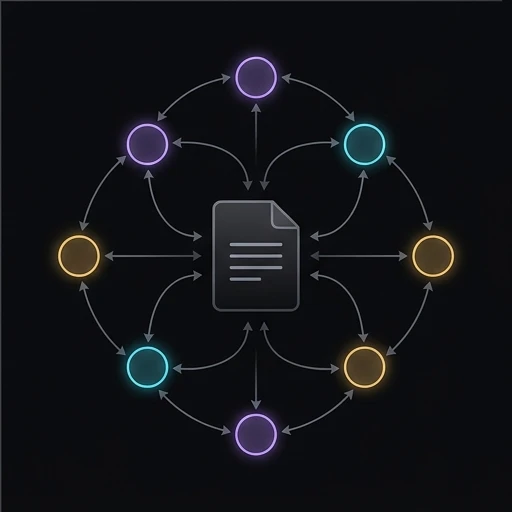
Architecture and System Design: Logseq vs Craft
Weighing Logseq alongside Craft illustrates separate engineering goals. While Logseq and Craft address daily documentation, their technical postures contrast sharply. Analyzing Logseq against Craft prevents unexpected hurdles. Between Logseq and Craft, platform integrations guide software choice. Testing Logseq alongside Craft reveals memory efficiency. Piloting Logseq with Craft ensures predictable application behavior. Deciding on Logseq or Craft completes your platform audit.
When handling intensive tasks, Logseq utilizes local, whereas Craft prioritizes cloud. Analyzing Logseq against Craft establishes runtime expectations. Where Logseq focuses on macOS, Windows, Craft accommodates macOS, iOS. Comparing Logseq alongside Craft prevents hardware mismatches. Between Logseq and Craft, platform engines dictate battery longevity. Evaluating Logseq with Craft ensures smooth daily operation. Picking Logseq or Craft provides consistent computing.
Across active projects, Logseq organizes work via A privacy-first, open-source knowledge base, while Craft structures data via Your space for notes, tasks, and big ideas. Between Logseq and Craft, design philosophies dictate organizational clarity. Reviewing Logseq alongside Craft avoids unnecessary software changes. Comparing Logseq with Craft ensures smooth collaboration. Testing Logseq against Craft verifies editing comfort. Choosing Logseq or Craft optimizes project tracking.
Storage Durability and File Access: Logseq vs Craft
Data persistence distinguishes Logseq from Craft fundamentally. For Logseq, files reside as Logseq OG: local Markdown files (maintenance only). Logseq 2.0 (beta since 2026-07-13): local SQLite database graphs, Markdown export, while Craft adopts Proprietary block documents replicated through Craft’s cloud. Since Logseq implements plain Markdown files and Craft implements internal databases, both tools structure records under opposite philosophies. Between Logseq and Craft, file accessibility influences recovery procedures. Contrasting Logseq with Craft verifies long-term document security. Weighing Logseq with Craft sets storage protocols. Deciding on Logseq or Craft controls information sovereignty.
Portability dynamics in Logseq versus Craft define software exit strategies. As Logseq organizes content in Logseq OG: local Markdown files (maintenance only). Logseq 2.0 (beta since 2026-07-13): local SQLite database graphs, Markdown export, Craft encloses documents in Proprietary block documents replicated through Craft’s cloud. Evaluating Logseq alongside Craft preserves intellectual assets. Deciding between Logseq and Craft mitigates format migration costs. Testing Logseq against Craft demonstrates batch export speed. Comparing Logseq with Craft establishes dependable storage routines.
Historical file safety divides Logseq from Craft across professional careers. With Logseq configuring Logseq OG: local Markdown files (maintenance only). Logseq 2.0 (beta since 2026-07-13): local SQLite database graphs, Markdown export and Craft configuring Proprietary block documents replicated through Craft’s cloud, notes outlive cloud platform migrations. Testing Logseq with Craft verifies multi-device checksum integrity. Evaluating Logseq against Craft confirms file immutability options. Choosing Logseq or Craft ensures absolute document longevity.
Authoring Workflows and Structure: Logseq vs Craft
Knowledge structuring in Logseq versus Craft shapes how ideas connect over time. In associative tagging, Logseq departs from Craft through unique index schemas. While Logseq excels in relational mapping, Craft shines in structured table databases. Choosing Logseq over Craft alters daily thinking habits. Testing Logseq with Craft exposes mental friction points. Contrasting Logseq alongside Craft reveals outline speed. Selecting Logseq or Craft anchors research productivity.
Conceptual synthesis divides Logseq from Craft for investigative writers. When building research archives, Logseq and Craft index citations through unique database approaches. Selecting between Logseq and Craft simplifies cross-discipline discovery. Contrasting Logseq with Craft proves taxonomic versatility. Assessing Logseq alongside Craft keeps note libraries organized. Testing Logseq against Craft empowers deep thinking.
Daily note capture ergonomics divide Logseq from Craft during rapid brainstorming. While Logseq structures information around A privacy-first, open-source knowledge base, Craft focuses on Your space for notes, tasks, and big ideas. Evaluating Logseq against Craft prevents writing friction. Testing Logseq alongside Craft reveals keyboard shortcut efficiency. Deciding between Logseq and Craft shapes your daily workspace flow.
Zero-Connectivity Reliability: Logseq vs Craft
Zero-network reliability distinguishes Logseq from Craft in remote workspaces. When working beyond cellular reach, Logseq operates under different principles than Craft. During remote travel, Logseq contrasts with Craft in maintaining instant file access. Reviewing Logseq alongside Craft prevents document editing lockouts. Between Logseq and Craft, data synchronization requirements determine offline freedom. Testing Logseq against Craft confirms local search speeds. Deciding on Logseq or Craft preserves daily productivity.
Spotty network performance separates Logseq from Craft on mobile hotspots. During subway commutes, Logseq and Craft isolate database edits using different transaction boundaries. Choosing between Logseq and Craft prevents editing collisions. Contrasting Logseq with Craft proves local query responsiveness. Assessing Logseq alongside Craft assures continuous work sessions. Testing Logseq against Craft keeps project drafts completely safe.
Unplugged performance separates Logseq from Craft during severe power outages. While Logseq maintains complete local operations, Craft adapts through separate sync behaviors. Reviewing Logseq alongside Craft guarantees constant file reading. Testing Logseq against Craft confirms offline tag filtering. Choosing between Logseq and Craft maintains productivity during emergencies.
Hardware Support and Platform Coverage: Logseq vs Craft
Operating system support distinguishes Logseq from Craft across company devices. In client coverage, Logseq deploys on macOS, Windows, while Craft operates across macOS, iOS. Since Logseq diverges from Craft, managers must plan machine provisioning. Evaluating Logseq alongside Craft guarantees cross-device consistency. Between Logseq and Craft, platform sync behavior changes daily tasks. Reviewing Logseq with Craft eases enterprise configuration. Deciding on Logseq or Craft aligns with your hardware fleet.
System resource footprint in Logseq versus Craft affects battery longevity. On laptop hardware, Logseq and Craft utilize divergent background services. Selecting between Logseq and Craft eliminates compatibility headaches. Contrasting Logseq with Craft explains tablet companion capabilities. Assessing Logseq against Craft guarantees stable operating conditions. Testing Logseq alongside Craft preserves laptop battery life.
API connectivity distinguishes Logseq from Craft when building connected productivity hubs. Where Logseq supports custom integrations on macOS, Windows, Craft coordinates external workflows across macOS, iOS. Assessing Logseq with Craft prevents developer bottlenecks. Testing Logseq against Craft guarantees rapid data pipeline throughput. Choosing between Logseq and Craft establishes your automation baseline.
Core Capabilities and Functional Advantages: Logseq vs Craft
Operational strengths highlight where Logseq and Craft excel. As a primary advantage, Logseq champions Free and open source with an active community (45k+ GitHub stars), which Craft approaches from another angle. Conversely, Craft delivers Exceptionally polished, design-led document editor with publishing and sharing, offering capabilities Logseq handles differently. Evaluating Logseq against Craft aligns software with team skills. Between Logseq and Craft, distinctive strengths drive user preference. Contrasting Logseq with Craft validates technical ROI. Choosing Logseq or Craft secures key features.
Workflow acceleration marks a major difference between Logseq and Craft. In daily task execution, Logseq and Craft remove friction from contrasting operational steps. Selecting between Logseq and Craft aligns software with organizational cadence. Contrasting Logseq with Craft reveals editing agility. Assessing Logseq alongside Craft prevents unnecessary administrative drag. Testing Logseq against Craft improves output quality.
Workspace scalability highlights key differences between Logseq and Craft across organizational archives. In deep relational structures, Logseq and Craft manage index caches with differing memory footprints. Reviewing Logseq alongside Craft assures snappy UI navigation. Comparing Logseq against Craft demonstrates sustained search stability. Choosing Logseq or Craft maintains high operational throughput.
Documented Limitations and Known Constraints: Logseq vs Craft
Engineering limitations create practical boundaries between Logseq and Craft. For Logseq, verified constraints highlight The Markdown-file version (Logseq OG) is maintenance-only; new features go to the SQLite-based 2.0, while Craft documents No meeting capture or transcription. Comparing Logseq alongside Craft prepares teams for real-world tradeoffs. Between Logseq and Craft, architectural boundaries impact custom extensions. Testing Logseq against Craft confirms practical edge cases. Contrasting Logseq with Craft avoids unexpected operational stalls. Choosing Logseq or Craft guarantees realistic adoption plans.
Architectural tradeoffs distinguish Logseq from Craft as document collections expand. Under large repositories, Logseq and Craft face separate performance limits. Choosing between Logseq and Craft lowers administrative overhead. Contrasting Logseq with Craft clarifies backup intricacies. Assessing Logseq against Craft prevents workflow friction. Testing Logseq alongside Craft ensures sustained software stability.
Maintenance overhead differentiates Logseq from Craft over multi-year deployments. While Logseq requires specific administrative attention, Craft presents separate maintenance routines. Assessing Logseq against Craft prevents unforeseen operational costs. Testing Logseq alongside Craft prepares teams for real-world maintenance. Choosing Logseq or Craft ensures manageable long-term upkeep.
Licensing Tiers and Total Cost of Ownership: Logseq vs Craft
Commercial investments divide Logseq from Craft for enterprise software buyers. In plan options, Logseq offers Free and open source (AGPL) with business rates from Custom, whereas Craft features Free: 1,500 blocks, 1 GB, 15 AI credits with rates from $96/year ($8/month), $10 monthly. Assessing Logseq alongside Craft clarifies total cost of operation across multi-year contracts. Between Logseq and Craft, enterprise add-ons change per-seat licensing totals. Reviewing Logseq against Craft maintains sound budget allocation. Deciding on Logseq or Craft assures sustainable tooling costs.
Pricing predictability sets Logseq apart from Craft during organizational restructuring. In auditing software renewals, Logseq and Craft present different contract commitments. Deciding between Logseq and Craft protects budget flexibility. Comparing Logseq with Craft demonstrates sustainable licensing economics. Reviewing Logseq alongside Craft keeps corporate spending aligned. Weighing Logseq against Craft ensures prudent software investments.
Lifetime software expenses separate Logseq from Craft when factoring in infrastructure add-ons. While Logseq bundles its primary suite, Craft provides specialized tools in premium plans. Evaluating Logseq alongside Craft provides clarity on five-year licensing commitments. Comparing Logseq against Craft eliminates unanticipated add-on costs. Choosing between Logseq and Craft keeps overall tooling expenses balanced.
Conclusion: Selecting Between Logseq and Craft
Deciding between Logseq and Craft comes down to daily operational alignment. Opt for Logseq if you value local operations, prioritize Free and open source with an active community (45k+ GitHub stars), and favor logseq og: local markdown files (maintenance only). logseq 2.0 (beta since 2026-07-13): local sqlite database graphs, markdown export. Opt for Craft if you value cloud operations, prioritize Exceptionally polished, design-led document editor with publishing and sharing, and favor proprietary block documents replicated through craft’s cloud. Reviewing Logseq alongside Craft through practical project exercises reveals real-world advantages. Between Logseq and Craft, a direct trial confirms user comfort. Contrasting Logseq with Craft ensures confident software adoption. Choosing Logseq or Craft resolves your tooling search.
Summing up the debate between Logseq and Craft establishes clear software direction. In ongoing production, Logseq and Craft provide distinct ergonomic benefits. Comparing Logseq alongside Craft prevents unnecessary tooling changes. Reviewing Logseq with Craft assures team contentment. Benchmarking Logseq against Craft provides full operational clarity. Choosing Logseq or Craft delivers dependable workspace stability.
Standardizing on either Logseq or Craft empowers your projects with robust document handling. Where Logseq delivers outstanding performance in its design envelope, Craft provides exceptional power across its toolset. Assessing Logseq alongside Craft ensures informed technology investment. Comparing Logseq with Craft eliminates uncertainty in workspace selection. Picking Logseq or Craft solidifies your operational foundation.
When deciding between Logseq and Craft, hands-on evaluation with real tasks settles architectural debates. Running Logseq alongside Craft in parallel allows operators to contrast daily editing flows. Reviewing Logseq with Craft confirms whether local or cloud mechanics fit your rules. Between Logseq and Craft, tool satisfaction emerges from friction-free daily use. Comparing Logseq against Craft prevents costly workflow adjustments. Choosing Logseq or Craft secures your ideal digital workspace.
Finalizing your assessment of Logseq and Craft sets the stage for productive future work. Comparing Logseq against Craft through verified specifications validates your technical strategy. Between Logseq and Craft, understanding core tradeoffs guarantees confident software adoption. Evaluating Logseq alongside Craft ensures seamless integration into existing routines. Testing Logseq with Craft confirms long-term satisfaction. Choosing Logseq or Craft establishes your optimal operational foundation.
Where Oyma Fits In
Weighing Logseq alongside Craft exposes distinct custody models. For teams moving beyond Logseq and Craft, Oyma writes standard CommonMark on your Mac.
Questions
How do Logseq and Craft differ in storage?
Compared to Logseq and Craft, Oyma stores Mac notes locally, whereas Logseq and Craft use contrasting storage architectures.
Can Logseq and Craft run offline?
Analyzing Logseq against Craft clarifies travel usability, while Oyma keeps notes accessible on your Mac anywhere.
How does pricing compare between Logseq and Craft?
Evaluating Logseq alongside Craft reveals separate subscription models, whereas Oyma eliminates cloud seat charges.
How does Oyma differ from Logseq and Craft?
As an alternative to Logseq and Craft, Oyma records calls privately, while Logseq and Craft follow distinct transcription rules.

Try Oyma alongside Logseq and Craft
A private, local-first macOS alternative to Logseq and Craft.