
Competitor Comparison
Logseq vs Bear
 Logseq
 Bear
Comparing Logseq and Bear technical specifications. Every Logseq and Bear spec is footnoted. Compare with Oyma vs Logseq and Oyma vs Bear on macOS.
choose logseq if
- You prioritize free and open source with an active community (45k+ github stars).
- You value local execution and logseq og: local markdown files (maintenance only). logseq 2.0 (beta since 2026-07-13): local sqlite database graphs, markdown export.
- You prefer Logseq's operational architecture over Bear's model.
choose bear if
- You prioritize beautifully polished, native writing experience on mac, iphone and ipad.
- You value local execution and local sqlite database (not .md files on disk).
- You prefer Bear's operational architecture over Logseq's model.
At a glance
| Feature | Logseq | Bear |
|---|---|---|
| Where it runs | Logseq: On your device(Logseq where it runs source) | Bear: On your device(Bear where it runs source) |
| Storage format | Logseq: Logseq OG: local Markdown files (maintenance only). Logseq 2.0 (beta since 2026-07-13): local SQLite database graphs, Markdown export(Logseq storage format source) | Bear: Local SQLite database (not .md files on disk); iCloud sync with Pro; Markdown/TextBundle export(Bear storage format source)Storage format is from secondary sources; Bear's own pages do not state it. |
| Plain Markdown files | Logseq: Yes(Logseq plain markdown files source)True for Logseq OG, the file-based version, which now gets security fixes and dependency upgrades only. The 2.0 "DB version" stores a SQLite database. | Bear: No(Bear plain markdown files source)Markdown syntax, but notes live in a database; export required to get .md files. |
| Meeting recording | Logseq: No meeting recording(Logseq meeting recording source) | Bear: No meeting recording(Bear meeting recording source) |
| On-device transcription | Logseq: No(Logseq on-device transcription source) | Bear: No(Bear on-device transcription source) |
| AI integration | Logseq: None first-party(Logseq ai integration source)unverified: no AI feature mentioned on official pages. | Bear: None built in; bring-your-own AI via BearCLI, a Claude connector and an MCP server (Bear 2.8, 2026-04-29)(Bear ai integration source) |
| Works offline | Logseq: Yes(Logseq works offline source) | Bear: Yes(Bear works offline source) |
| Wikilinks & backlinks | Logseq: Yes(Logseq wikilinks & backlinks source) | Bear: Yes(Bear wikilinks & backlinks source) |
| Plugins / integrations | Logseq: Plugin marketplace and themes; open source (AGPL)(Logseq plugins / integrations source) | Bear: BearCLI, MCP server, Claude connector, x-callback-url; themes(Bear plugins / integrations source) |
| Mobile apps | Logseq: Yes(Logseq mobile apps source) | Bear: Yes(Bear mobile apps source) |
| Platforms | Logseq: macOS, Windows, Linux, Android, iOS(Logseq platforms source)New iOS app ships with 2.0 (secondary source). | Bear: macOS, iOS, iPadOS(Bear platforms source)A web app is in beta (secondary source). No Windows or Android. |
| Free plan | Logseq: Free and open source (AGPL)(Logseq free plan source) | Bear: Free tier (no sync)(Bear free plan source) |
| Paid plans from | Logseq: None(Logseq paid plans from source) | Bear: Bear Pro: $2.99/month or $29.99/year(Bear paid plans from source)7-day trial; one subscription covers all devices on one Apple ID. |
Logseq facts last verified 2026-10-03. Bear facts last verified 2026-10-03.
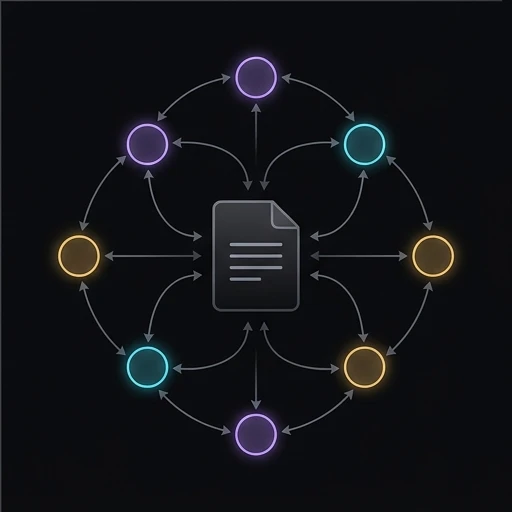
Execution Model: Logseq vs Bear
Assessing Logseq alongside Bear confirms essential operational contrasts. While Logseq and Bear fulfill critical user roles, their design models remain distinct. Comparing Logseq against Bear clarifies software tradeoffs. Between Logseq and Bear, administrative demands influence team adoption. Auditing Logseq with Bear reveals resource usage. Testing Logseq against Bear ensures reliable daily performance. Deciding on Logseq or Bear guarantees predictable results.
Across client workstations, Logseq structures local, whereas Bear coordinates local. Contrasting Logseq against Bear informs workstation management. While Logseq supports macOS, Windows, Bear provisions macOS, iOS. Examining Logseq with Bear confirms system compatibility. Between Logseq and Bear, architectural choices influence daily uptime. Evaluating Logseq alongside Bear guarantees solid application stability. Deciding on Logseq or Bear anchors your daily stack.
For daily knowledge capture, Logseq focuses on A privacy-first, open-source knowledge base, whereas Bear targets Markdown notes you’ll love. Between Logseq and Bear, product boundaries impact document structure. Examining Logseq against Bear prevents workspace clutter. Weighing Logseq alongside Bear confirms user interface suitability. Benchmarking Logseq with Bear accelerates writing velocity. Selecting Logseq or Bear delivers reliable results.
File Formats and Storage Architecture: Logseq vs Bear
Information custody marks an essential divide between Logseq and Bear. For Logseq, data structures center on Logseq OG: local Markdown files (maintenance only). Logseq 2.0 (beta since 2026-07-13): local SQLite database graphs, Markdown export, while Bear applies Local SQLite database (not .md files on disk). Since Logseq provides plain Markdown files and Bear provides internal databases, they protect records using differing paradigms. Between Logseq and Bear, document parsing determines automation ease. Comparing Logseq against Bear highlights filesystem accessibility. Assessing Logseq alongside Bear avoids format obsolescence. Picking Logseq or Bear determines file permanence.
Document custody in Logseq versus Bear impacts migration friction. While Logseq isolates notes in Logseq OG: local Markdown files (maintenance only). Logseq 2.0 (beta since 2026-07-13): local SQLite database graphs, Markdown export, Bear manages notes in Local SQLite database (not .md files on disk). Reviewing Logseq alongside Bear protects multi-year research. Deciding between Logseq and Bear prevents proprietary schema lock-in. Testing Logseq with Bear confirms export fidelity. Comparing Logseq against Bear ensures independent file durability.
Decade-long readability separates Logseq from Bear for academic institutions. With Logseq providing Logseq OG: local Markdown files (maintenance only). Logseq 2.0 (beta since 2026-07-13): local SQLite database graphs, Markdown export and Bear providing Local SQLite database (not .md files on disk), record indexing avoids external dependencies. Comparing Logseq alongside Bear validates open-standard longevity. Assessing Logseq against Bear guards against subscription lapses. Deciding on Logseq or Bear protects lifetime documentation.
Daily Note-Taking Mechanics: Logseq vs Bear
Note-linking mechanics separate Logseq from Bear across extensive knowledge repositories. When linking complex thoughts, Logseq behaves differently than Bear. If Logseq encourages flexible backlinks, Bear emphasizes clean nested documents. Opting for Logseq instead of Bear guides information synthesis. Reviewing Logseq alongside Bear validates cataloging depth. Contrasting Logseq with Bear accelerates reference retrieval. Choosing Logseq or Bear optimizes long-term writing.
Information retrieval divides Logseq from Bear structurally. For daily journaling, Logseq and Bear track bidirectional links using distinct models. Selecting between Logseq and Bear directs roadmap management. Contrasting Logseq with Bear verifies semantic structures. Assessing Logseq against Bear maintains writing fluidity. Testing Logseq alongside Bear accelerates knowledge worker output.
Scratchpad usability distinguishes Logseq from Bear for quick task logging. As Logseq revolves around A privacy-first, open-source knowledge base, Bear prioritizes Markdown notes you’ll love. Assessing Logseq against Bear eliminates cognitive drag. Comparing Logseq with Bear ensures instant input responsiveness. Selecting between Logseq and Bear anchors clean document creation.
Offline Reliability and Network Independence: Logseq vs Bear
Offline continuity separates Logseq from Bear while on the road. Without network access, Logseq and Bear function under opposing principles. While working inflight, Logseq differs from Bear in local stability. Testing Logseq against Bear confirms uninterrupted writing off the grid. Between Logseq and Bear, remote synchronization logic diverges substantially. Reviewing Logseq with Bear avoids frozen screens. Deciding on Logseq or Bear secures offline dependability.
Transit editing reliability sets Logseq apart from Bear during patchy connectivity. In train transit, Logseq and Bear queue file updates through divergent internal mechanisms. Deciding between Logseq and Bear eliminates lost paragraph edits. Comparing Logseq alongside Bear clarifies local search indexes. Reviewing Logseq with Bear protects mobile knowledge workers. Weighing Logseq against Bear maintains continuous document access.
Network-free indexing sets Logseq apart from Bear for traveling researchers. While Logseq queries records without server queries, Bear coordinates lookups through alternative channels. Assessing Logseq against Bear prevents stalled reference lookups. Comparing Logseq with Bear ensures reliable note retrieval. Choosing Logseq or Bear delivers dependable offline productivity.
Multi-Device Parity: Logseq vs Bear
Workstation compatibility creates clear boundaries between Logseq and Bear. In application binaries, Logseq provides builds for macOS, Windows, whereas Bear delivers packages for macOS, iOS. Because Logseq contrasts with Bear, IT departments analyze software deployment pipelines. Testing Logseq alongside Bear ensures predictable desktop performance. Between Logseq and Bear, platform nuances affect shortcut muscle memory. Contrasting Logseq with Bear prevents employee onboarding friction. Selecting Logseq or Bear supports team computers.
Hardware integration in Logseq versus Bear dictates peripheral support. On client machines, Logseq and Bear consume distinct system resources. Deciding between Logseq and Bear avoids operating system hurdles. Comparing Logseq with Bear clarifies mobile parity. Reviewing Logseq against Bear keeps workstation setups reliable. Weighing Logseq alongside Bear protects hardware investments.
API connectivity distinguishes Logseq from Bear when building connected productivity hubs. Where Logseq supports custom integrations on macOS, Windows, Bear coordinates external workflows across macOS, iOS. Assessing Logseq with Bear prevents developer bottlenecks. Testing Logseq against Bear guarantees rapid data pipeline throughput. Choosing between Logseq and Bear establishes your automation baseline.
Comparative Strengths and Practical Advantages: Logseq vs Bear
Operational strengths highlight where Logseq and Bear excel. As a primary advantage, Logseq champions Free and open source with an active community (45k+ GitHub stars), which Bear approaches from another angle. Conversely, Bear delivers Beautifully polished, native writing experience on Mac, iPhone and iPad, offering capabilities Logseq handles differently. Evaluating Logseq against Bear aligns software with team skills. Between Logseq and Bear, distinctive strengths drive user preference. Contrasting Logseq with Bear validates technical ROI. Choosing Logseq or Bear secures key features.
Functional advantages separate Logseq from Bear across daily tasks. In production use, Logseq and Bear optimize distinct productivity metrics. Deciding between Logseq and Bear clarifies user onboarding. Comparing Logseq with Bear exposes workflow acceleration. Reviewing Logseq against Bear prevents feature duplication. Weighing Logseq alongside Bear drives optimal software utilization.
Library scalability creates noticeable separation between Logseq and Bear during intensive use. When archiving extensive research collections, Logseq and Bear deliver contrasting indexing times. Assessing Logseq against Bear prevents database bottleneck delays. Contrasting Logseq with Bear reveals file retrieval efficiency. Deciding between Logseq and Bear secures rapid reference lookup.
Operational Boundaries: Logseq vs Bear
Structural trade-offs distinguish Logseq from Bear in enterprise deployments. Specifically, Logseq encounters limits around The Markdown-file version (Logseq OG) is maintenance-only; new features go to the SQLite-based 2.0, whereas Bear shows boundaries around Apple-only: no Windows or Android. Reviewing Logseq against Bear establishes balanced technical evaluations. Between Logseq and Bear, known weaknesses dictate backup and maintenance workflows. Evaluating Logseq alongside Bear avoids deployment regrets. Deciding on Logseq or Bear ensures manageable software administration.
Long-term stability dynamics divide Logseq from Bear under growing document libraries. As workspaces reach gigabytes of content, Logseq and Bear encounter divergent memory ceilings. Deciding between Logseq and Bear safeguards system responsiveness. Comparing Logseq against Bear validates background indexer overhead. Reviewing Logseq alongside Bear keeps application load times low. Weighing Logseq with Bear guarantees stable knowledge management.
System maintenance routines divide Logseq from Bear for solitary knowledge workers. For backup scheduling and cache pruning, Logseq and Bear involve different user interventions. Assessing Logseq with Bear prevents unexpected data loss. Comparing Logseq against Bear ensures automated safety protocols. Choosing Logseq or Bear guarantees reliable, hands-off maintenance.
Cost Comparison and Subscription Plans: Logseq vs Bear
Commercial investments divide Logseq from Bear for enterprise software buyers. In plan options, Logseq offers Free and open source (AGPL) with business rates from Custom, whereas Bear features Free tier (no replication) with rates from $2.99/month or $29.99/year. Assessing Logseq alongside Bear clarifies total cost of operation across multi-year contracts. Between Logseq and Bear, enterprise add-ons change per-seat licensing totals. Reviewing Logseq against Bear maintains sound budget allocation. Deciding on Logseq or Bear assures sustainable tooling costs.
Expense scaling creates financial separation between Logseq and Bear over multi-year horizons. As staff rosters increase, Logseq and Bear calculate licensing through different unit mechanics. Choosing between Logseq and Bear keeps software overhead lean. Contrasting Logseq with Bear highlights team license economics. Assessing Logseq against Bear preserves capital efficiency. Testing Logseq alongside Bear maximizes tooling effectiveness.
Lifetime software expenses separate Logseq from Bear when factoring in infrastructure add-ons. While Logseq bundles its primary suite, Bear provides specialized tools in premium plans. Evaluating Logseq alongside Bear provides clarity on five-year licensing commitments. Comparing Logseq against Bear eliminates unanticipated add-on costs. Choosing between Logseq and Bear keeps overall tooling expenses balanced.
Final Verdict: Choosing Logseq or Bear
Making the final choice between Logseq and Bear hinges on architectural alignment. Select Logseq if you demand local execution, prefer Free and open source with an active community (45k+ GitHub stars), and seek logseq og: local markdown files (maintenance only). logseq 2.0 (beta since 2026-07-13): local sqlite database graphs, markdown export. Select Bear if you demand local execution, prefer Beautifully polished, native writing experience on Mac, iPhone and iPad, and seek local sqlite database (not .md files on disk). Testing Logseq alongside Bear with representative team documents proves which interface reduces friction. Between Logseq and Bear, running concurrent tests confirms long-term suitability. Evaluating Logseq against Bear eliminates migration doubt. Deciding on Logseq or Bear solidifies your workspace choice.
Summing up the debate between Logseq and Bear establishes clear software direction. In ongoing production, Logseq and Bear provide distinct ergonomic benefits. Comparing Logseq alongside Bear prevents unnecessary tooling changes. Reviewing Logseq with Bear assures team contentment. Benchmarking Logseq against Bear provides full operational clarity. Choosing Logseq or Bear delivers dependable workspace stability.
Adopting either Logseq or Bear establishes the operational cadence of your digital workstation. While Logseq demonstrates mastery in its technical paradigm, Bear leads in its chosen operational model. Evaluating Logseq with Bear guarantees complete synergy with your research habits. Piloting Logseq alongside Bear confirms the optimal user interface choice. Deciding on Logseq or Bear ensures long-term software fulfillment.
Ultimately, choosing between Logseq and Bear is a matter of matching tool design to personal workflow. Where Logseq streamlines execution through its architecture, Bear delivers specialized power through its unique features. Evaluating Logseq against Bear ensures you invest in software that amplifies your natural strengths. Between Logseq and Bear, both platforms represent capable modern engineering. Testing Logseq alongside Bear clarifies which platform best serves your multi-year vision. Picking Logseq or Bear finalizes your software selection.
As you finalize your review of Logseq and Bear, consider the technical ecosystem each tool supports. Integrating Logseq and Bear into regular evaluation routines clarifies data custody. Contrasting Logseq against Bear ensures you choose software that preserves your information. Between Logseq and Bear, finding the right balance between simplicity and power is key. Piloting Logseq with Bear confirms your operational strategy. Deciding on Logseq or Bear establishes a resilient foundation for your future notes.
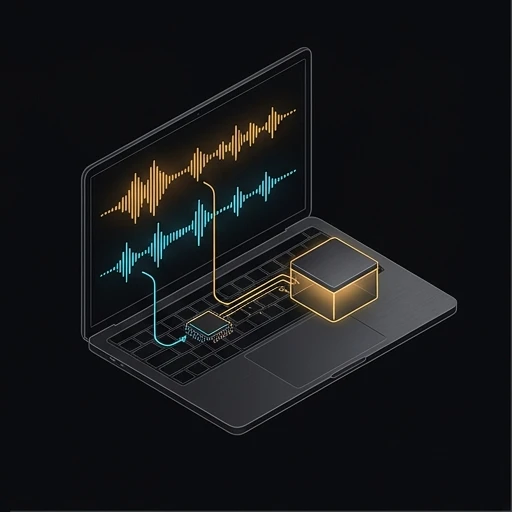
Where Oyma Fits In
Comparing Logseq and Bear demonstrates divergent design goals. If you require more privacy than Logseq or Bear, Oyma stores notes locally on disk.
Questions
How do Logseq and Bear differ in storage?
Analyzing Logseq against Bear confirms distinct file structures, while Oyma maintains direct folder access on macOS.
Can Logseq and Bear run offline?
Compared to Logseq and Bear, Oyma provides complete offline writing, whereas Logseq and Bear apply separate offline rules.
How does pricing compare between Logseq and Bear?
Analyzing Logseq against Bear clarifies multi-year expenses, while Oyma avoids recurring software licensing fees.
How does Oyma differ from Logseq and Bear?
Against Logseq and Bear, Oyma captures audio without meeting bots, while Logseq and Bear apply contrasting capture models.

Try Oyma alongside Logseq and Bear
A private, local-first macOS alternative to Logseq and Bear.