
Competitor Comparison
Bear vs Tana
 Bear
 Tana
Comparing Bear and Tana technical specifications. Every Bear and Tana spec is footnoted. Compare with Oyma vs Bear and Oyma vs Tana on macOS.
choose bear if
- You prioritize beautifully polished, native writing experience on mac, iphone and ipad.
- You value local execution and local sqlite database (not .md files on disk).
- You prefer Bear's operational architecture over Tana's model.
choose tana if
- You prioritize meeting agents that create documents and issues during the call, with team workflows.
- You value cloud execution and tana cloud.
- You prefer Tana's operational architecture over Bear's model.
At a glance
| Feature | Bear | Tana |
|---|---|---|
| Where it runs | Bear: On your device(Bear where it runs source) | Tana: In the cloud(Tana where it runs source) |
| Storage format | Bear: Local SQLite database (not .md files on disk); iCloud sync with Pro; Markdown/TextBundle export(Bear storage format source)Storage format is from secondary sources; Bear's own pages do not state it. | Tana: Tana cloud; Outliner exports Markdown or JSON; a fully offline desktop app has no ETA(Tana storage format source) |
| Plain Markdown files | Bear: No(Bear plain markdown files source)Markdown syntax, but notes live in a database; export required to get .md files. | Tana: No(Tana plain markdown files source) |
| Meeting recording | Bear: No meeting recording(Bear meeting recording source) | Tana: Records without a bot(Tana meeting recording source)Native video calls plus a "botless meeting agent" for Zoom, Teams and Meet on desktop (Pro and above). |
| On-device transcription | Bear: No(Bear on-device transcription source) | Tana: No(Tana on-device transcription source) |
| AI integration | Bear: None built in; bring-your-own AI via BearCLI, a Claude connector and an MCP server (Bear 2.8, 2026-04-29)(Bear ai integration source) | Tana: Meeting agents that create docs and issues during calls; AI queries metered by plan; MCP(Tana ai integration source) |
| Works offline | Bear: Yes(Bear works offline source) | Tana: No(Tana works offline source)Fully offline desktop is "ETA unknown". |
| Wikilinks & backlinks | Bear: Yes(Bear wikilinks & backlinks source) | Tana: Yes(Tana wikilinks & backlinks source)Tana Outliner references use @ in the editor and [[ ]] in Tana Paste. |
| Plugins / integrations | Bear: BearCLI, MCP server, Claude connector, x-callback-url; themes(Bear plugins / integrations source) | Tana: HubSpot, Jira, Linear and GitHub integrations; MCP; Tana Paste and API(Tana plugins / integrations source) |
| Mobile apps | Bear: Yes(Bear mobile apps source) | Tana: Yes(Tana mobile apps source)Via mobile browsers. |
| Platforms | Bear: macOS, iOS, iPadOS(Bear platforms source)A web app is in beta (secondary source). No Windows or Android. | Tana: macOS, Windows, Linux, Web, Mobile browsers(Tana platforms source) |
| Free plan | Bear: Free tier (no sync)(Bear free plan source) | Tana: Free: 5 hosted meetings/month with AI transcripts, 50 AI queries(Tana free plan source) |
| Paid plans from | Bear: Bear Pro: $2.99/month or $29.99/year(Bear paid plans from source)7-day trial; one subscription covers all devices on one Apple ID. | Tana: Pro: $20 per user/month early-bird (regular $30), billed yearly(Tana paid plans from source)Monthly-billing price unverified. |
Bear facts last verified 2026-10-03. Tana facts last verified 2026-10-03.
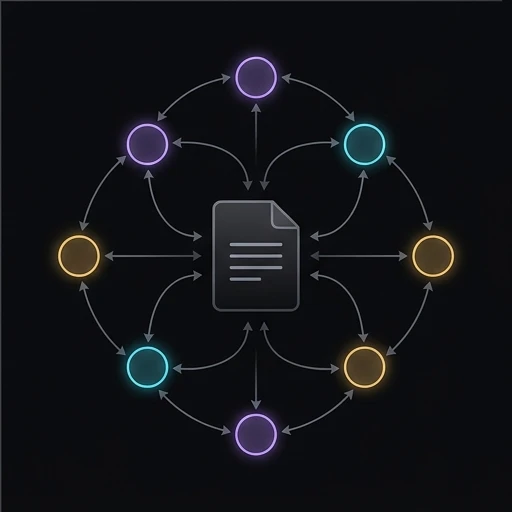
Engineering Posture: Bear vs Tana
Contrasting Bear with Tana exposes opposing software foundations. While Bear and Tana serve modern professionals, their internal mechanisms differ. Reviewing Bear alongside Tana clarifies real-world capabilities. Between Bear and Tana, data structures determine multi-year usability. Examining Bear against Tana confirms application durability. Benchmarking Bear with Tana validates execution speeds. Selecting Bear or Tana anchors your team workflow.
In runtime environments, Bear processes local, while Tana manages cloud. Weighing Bear with Tana informs engineering requirements. While Bear operates across macOS, iOS, Tana works across macOS, Windows. Examining Bear alongside Tana reveals memory overhead. Between Bear and Tana, threading designs alter UI responsiveness. Benchmarking Bear against Tana guides organizational hardware selection. Selecting Bear or Tana delivers stable throughput.
For daily knowledge capture, Bear focuses on Markdown notes you’ll love, whereas Tana targets Meetings that ship. Between Bear and Tana, product boundaries impact document structure. Examining Bear against Tana prevents workspace clutter. Weighing Bear alongside Tana confirms user interface suitability. Benchmarking Bear with Tana accelerates writing velocity. Selecting Bear or Tana delivers reliable results.
File Formats and Storage Architecture: Bear vs Tana
Storage persistence divides Bear and Tana completely. For Bear, records reside as Local SQLite database (not .md files on disk), utilizing internal databases. In contrast, Tana maintains storage as Tana cloud, utilizing internal databases. Between Bear and Tana, file accessibility shapes disaster recovery. Comparing Bear alongside Tana confirms data longevity guarantees. Assessing Bear against Tana establishes backup routines. Choosing Bear or Tana governs document custody.
Document custody in Bear versus Tana impacts migration friction. While Bear isolates notes in Local SQLite database (not .md files on disk), Tana manages notes in Tana cloud. Reviewing Bear alongside Tana protects multi-year research. Deciding between Bear and Tana prevents proprietary schema lock-in. Testing Bear with Tana confirms export fidelity. Comparing Bear against Tana ensures independent file durability.
Archival durability separates Bear from Tana for technical practitioners. With Bear adopting Local SQLite database (not .md files on disk) and Tana adopting Tana cloud, document survival properties diverge significantly. Reviewing Bear against Tana eliminates vendor obsolescence hazards. Contrasting Bear alongside Tana explains local encryption standards. Deciding on Bear or Tana preserves critical intellectual assets.
Knowledge Graph and Note Linking: Bear vs Tana
Note-linking mechanics separate Bear from Tana across extensive knowledge repositories. When linking complex thoughts, Bear behaves differently than Tana. If Bear encourages flexible backlinks, Tana emphasizes clean nested documents. Opting for Bear instead of Tana guides information synthesis. Reviewing Bear alongside Tana validates cataloging depth. Contrasting Bear with Tana accelerates reference retrieval. Choosing Bear or Tana optimizes long-term writing.
Relational categorization sets Bear apart from Tana when building deep wikis. In daily logs, Bear and Tana organize references via different metadata schemas. Deciding between Bear and Tana streamlines task tracking. Comparing Bear alongside Tana clarifies metadata filtering. Reviewing Bear with Tana preserves conceptual flow. Weighing Bear against Tana increases writing output.
Rapid note entry workflows distinguish Bear from Tana during fast-paced ideation. Whereas Bear builds documents around Markdown notes you’ll love, Tana centers workflows on Meetings that ship. Contrasting Bear against Tana removes authoring friction. Assessing Bear alongside Tana demonstrates command bar responsiveness. Selecting between Bear and Tana guides daily computer flow.
Zero-Connectivity Reliability: Bear vs Tana
Working without connectivity marks a foundational difference between Bear and Tana. In offline modes, Bear and Tana handle unsaved edits through contrasting architectures. While drafting without internet, Bear behaves distinctly from Tana regarding local storage caches. Assessing Bear alongside Tana ensures your documents remain editable anywhere. Between Bear and Tana, cloud dependency alters remote field work. Contrasting Bear with Tana protects traveling professionals. Choosing Bear or Tana maintains offline momentum.
Disconnected stability separates Bear from Tana in daily transit. In tunnel conditions, Bear and Tana maintain distinct cache buffers. Deciding between Bear and Tana prevents stranded changes. Comparing Bear with Tana validates offline indexing. Reviewing Bear against Tana assures field workers. Weighing Bear alongside Tana guarantees document availability.
Network-free indexing sets Bear apart from Tana for traveling researchers. While Bear queries records without server queries, Tana coordinates lookups through alternative channels. Assessing Bear against Tana prevents stalled reference lookups. Comparing Bear with Tana ensures reliable note retrieval. Choosing Bear or Tana delivers dependable offline productivity.
Platform Ecosystem and Operating Systems: Bear vs Tana
Platform availability distinguishes Bear from Tana for mixed computing environments. Where Bear accommodates macOS, iOS, Tana accommodates macOS, Windows. Since Bear behaves distinctly from Tana, procurement leads review hardware compatibility. Assessing Bear with Tana guarantees uninterrupted user handoffs. Between Bear and Tana, operating system integrations influence notification handling. Contrasting Bear against Tana streamlines endpoint rollout. Deciding on Bear or Tana satisfies technical requirements.
Peripheral compatibility sets Bear apart from Tana when using external monitors. In multi-screen workspaces, Bear and Tana scale text elements through separate rendering engines. Selecting between Bear and Tana avoids visual glitches. Comparing Bear with Tana confirms high-DPI font sharpness. Reviewing Bear alongside Tana ensures visual comfort. Weighing Bear against Tana provides consistent desktop display.
Utility interoperability sets Bear apart from Tana across modern software suites. As Bear synchronizes with tools on macOS, iOS, Tana interacts with services across macOS, Windows. Reviewing Bear against Tana confirms software stack synergy. Comparing Bear alongside Tana eliminates brittle plugin configurations. Deciding on Bear or Tana concludes your workstation audit.
Flagship Features: Bear vs Tana
Operational strengths highlight where Bear and Tana excel. As a primary advantage, Bear champions Beautifully polished, native writing experience on Mac, iPhone and iPad, which Tana approaches from another angle. Conversely, Tana delivers Meeting agents that create documents and issues during the call, with team workflows, offering capabilities Bear handles differently. Evaluating Bear against Tana aligns software with team skills. Between Bear and Tana, distinctive strengths drive user preference. Contrasting Bear with Tana validates technical ROI. Choosing Bear or Tana secures key features.
Workflow acceleration marks a major difference between Bear and Tana. In daily task execution, Bear and Tana remove friction from contrasting operational steps. Selecting between Bear and Tana aligns software with organizational cadence. Contrasting Bear with Tana reveals editing agility. Assessing Bear alongside Tana prevents unnecessary administrative drag. Testing Bear against Tana improves output quality.
Performance highlights distinguish Bear from Tana when managing large knowledge bases. While Bear excels with its architecture, Tana provides specialized tools for its user base. Assessing Bear against Tana reveals unique workflow shortcuts. Comparing Bear with Tana ensures you capitalize on each tool’s best capabilities. Choosing Bear or Tana unlocks daily productivity gains.
System Trade-Offs and Architectural Boundaries: Bear vs Tana
Documented constraints reveal technical limits in Bear and Tana. For Bear, verified boundaries center on Apple-only: no Windows or Android, which Tana users do not experience in the same way. For Tana, documented limits include Pro costs $20–$30 per user per month, requiring Bear users to assess alternative workarounds. Evaluating Bear against Tana establishes realistic expectations. Between Bear and Tana, known limitations shape long-term maintenance. Contrasting Bear with Tana avoids deployment surprises. Choosing Bear or Tana prevents technical debt.
Long-term stability dynamics divide Bear from Tana under growing document libraries. As workspaces reach gigabytes of content, Bear and Tana encounter divergent memory ceilings. Deciding between Bear and Tana safeguards system responsiveness. Comparing Bear against Tana validates background indexer overhead. Reviewing Bear alongside Tana keeps application load times low. Weighing Bear with Tana guarantees stable knowledge management.
System maintenance routines divide Bear from Tana for solitary knowledge workers. For backup scheduling and cache pruning, Bear and Tana involve different user interventions. Assessing Bear with Tana prevents unexpected data loss. Comparing Bear against Tana ensures automated safety protocols. Choosing Bear or Tana guarantees reliable, hands-off maintenance.
Pricing, Licensing Tiers, and Multi-Year Costs: Bear vs Tana
Licensing models create clear commercial contrast between Bear and Tana. While Bear provisions Free tier (no replication) with upgrades from $2.99/month or $29.99/year, Tana implements Free: 5 hosted meetings/month with AI transcripts, 50 AI queries with upgrades from $20 per user/month early-bird (regular $30), billed yearly. Budget modeling for Bear and Tana should account for seat count growth and cloud storage additions. Comparing Bear alongside Tana protects against vendor price hikes. Between Bear and Tana, plan boundaries dictate user tier placement. Testing Bear against Tana confirms value per dollar. Selecting Bear or Tana secures cost-effective software.
Cost trajectory distinguishes Bear from Tana as organizational headcounts expand. For fiscal forecasting, Bear and Tana display divergent pricing curves. Choosing between Bear and Tana maximizes tool expenditure. Contrasting Bear with Tana confirms unit licensing metrics. Assessing Bear against Tana aligns procurement goals. Testing Bear alongside Tana secures optimal return on every purchased license.
Comprehensive ownership costs divide Bear from Tana across full organizational lifecycles. Where Bear plans incorporate standard features, Tana packages tools according to tier boundaries. Assessing Bear against Tana prevents licensing surprises. Contrasting Bear with Tana clarifies true operational costs. Deciding between Bear and Tana guarantees sustainable IT financing.
Recommendation: Bear or Tana
Choosing between Bear and Tana rests on your central workflow objectives. Pick Bear if you need local processing, focus on Beautifully polished, native writing experience on Mac, iPhone and iPad, and desire local sqlite database (not .md files on disk). Pick Tana if you need cloud processing, focus on Meeting agents that create documents and issues during the call, with team workflows, and desire tana cloud. Evaluating Bear against Tana using typical working documents demonstrates your ideal software stack. Between Bear and Tana, testing both apps highlights day-to-day efficiencies. Comparing Bear with Tana across one full week identifies the superior fit. Selecting Bear or Tana finalizes your software migration.
Concluding comparisons between Bear and Tana solidifies your regular production toolkit. Throughout daily duties, Bear and Tana provide divergent user interactions. Contrasting Bear against Tana protects against subsequent software re-evaluations. Assessing Bear with Tana delivers operational contentment. Examining Bear alongside Tana wraps up your tooling study. Deciding on Bear or Tana cements your workspace workflow.
Adopting either Bear or Tana establishes the operational cadence of your digital workstation. While Bear demonstrates mastery in its technical paradigm, Tana leads in its chosen operational model. Evaluating Bear with Tana guarantees complete synergy with your research habits. Piloting Bear alongside Tana confirms the optimal user interface choice. Deciding on Bear or Tana ensures long-term software fulfillment.
For operators assessing Bear and Tana, immediate practical testing delivers clarity. By importing active notes into Bear and Tana, you can experience their daily workflows directly. Evaluating Bear alongside Tana verifies typing ergonomics under real conditions. Between Bear and Tana, interface responsiveness remains the ultimate benchmark of software value. Testing Bear against Tana guarantees full confidence before migration. Selecting Bear or Tana equips your team for productive computing.
Finalizing your assessment of Bear and Tana sets the stage for productive future work. Comparing Bear against Tana through verified specifications validates your technical strategy. Between Bear and Tana, understanding core tradeoffs guarantees confident software adoption. Evaluating Bear alongside Tana ensures seamless integration into existing routines. Testing Bear with Tana confirms long-term satisfaction. Choosing Bear or Tana establishes your optimal operational foundation.
Where Oyma Fits In
Evaluating Bear and Tana reveals contrasting architectures. If neither Bear nor Tana fits your Mac requirements, Oyma delivers local CommonMark files without meeting bots.
Questions
How do Bear and Tana differ in storage?
Analyzing Bear against Tana confirms distinct file structures, while Oyma maintains direct folder access on macOS.
Can Bear and Tana run offline?
Evaluating Bear alongside Tana shows contrasting disconnected access, whereas Oyma never mandates online servers.
How does pricing compare between Bear and Tana?
Analyzing Bear against Tana clarifies multi-year expenses, while Oyma avoids recurring software licensing fees.
How does Oyma differ from Bear and Tana?
Against Bear and Tana, Oyma captures audio without meeting bots, while Bear and Tana apply contrasting capture models.

Try Oyma alongside Bear and Tana
A private, local-first macOS alternative to Bear and Tana.