
Competitor Comparison
Bear vs Reflect
 Bear
 Reflect
Comparing Bear and Reflect technical specifications. Every Bear and Reflect spec is footnoted. Compare with Oyma vs Bear and Oyma vs Reflect on macOS.
choose bear if
- You prioritize beautifully polished, native writing experience on mac, iphone and ipad.
- You value local execution and local sqlite database (not .md files on disk).
- You prefer Bear's operational architecture over Reflect's model.
choose reflect if
- You prioritize free and mit-licensed on mac, with plain .md files, backlinks and daily notes.
- You value hybrid execution and ordinary .md files in daily/, notes/ and assets/ folders the user chooses.
- You prefer Reflect's operational architecture over Bear's model.
At a glance
| Feature | Bear | Reflect |
|---|---|---|
| Where it runs | Bear: On your device(Bear where it runs source) | Reflect: Device and cloud(Reflect where it runs source)Notes are local files; AI features send data directly to the user's own cloud AI provider (OpenAI, Anthropic, Google, OpenRouter). |
| Storage format | Bear: Local SQLite database (not .md files on disk); iCloud sync with Pro; Markdown/TextBundle export(Bear storage format source)Storage format is from secondary sources; Bear's own pages do not state it. | Reflect: Ordinary .md files in daily/, notes/ and assets/ folders the user chooses; sync via iCloud Drive or Git(Reflect storage format source) |
| Plain Markdown files | Bear: No(Bear plain markdown files source)Markdown syntax, but notes live in a database; export required to get .md files. | Reflect: Yes(Reflect plain markdown files source) |
| Meeting recording | Bear: No meeting recording(Bear meeting recording source) | Reflect: Microphone only(Reflect meeting recording source)unverified: Reflect offers voice transcription and meeting-note summaries via your API key; system-audio capture of calls was not verified. |
| On-device transcription | Bear: No(Bear on-device transcription source) | Reflect: No(Reflect on-device transcription source)Transcription uses the user's cloud API key. |
| AI integration | Bear: None built in; bring-your-own AI via BearCLI, a Claude connector and an MCP server (Bear 2.8, 2026-04-29)(Bear ai integration source) | Reflect: Bring-your-own key only (OpenAI, Anthropic, Google, OpenRouter): voice transcription, note Q&A with sources, meeting-note summaries, writing help, custom prompts(Reflect ai integration source) |
| Works offline | Bear: Yes(Bear works offline source) | Reflect: Yes(Reflect works offline source) |
| Wikilinks & backlinks | Bear: Yes(Bear wikilinks & backlinks source) | Reflect: Yes(Reflect wikilinks & backlinks source) |
| Plugins / integrations | Bear: BearCLI, MCP server, Claude connector, x-callback-url; themes(Bear plugins / integrations source) | Reflect: Open source (MIT); plain files readable by AI agents and any Markdown editor(Reflect plugins / integrations source) |
| Mobile apps | Bear: Yes(Bear mobile apps source) | Reflect: Yes(Reflect mobile apps source)iPhone and iPad apps are paid subscriptions. |
| Platforms | Bear: macOS, iOS, iPadOS(Bear platforms source)A web app is in beta (secondary source). No Windows or Android. | Reflect: macOS, iOS, iPadOS(Reflect platforms source) |
| Free plan | Bear: Free tier (no sync)(Bear free plan source) | Reflect: Reflect Open is free and open source on Mac (MIT)(Reflect free plan source) |
| Paid plans from | Bear: Bear Pro: $2.99/month or $29.99/year(Bear paid plans from source)7-day trial; one subscription covers all devices on one Apple ID. | Reflect: iPhone/iPad app: Paid subscription, price set per region through the App Store(Reflect paid plans from source)unverified: exact price not shown on the official page. |
Bear facts last verified 2026-10-03. Reflect facts last verified 2026-10-03.
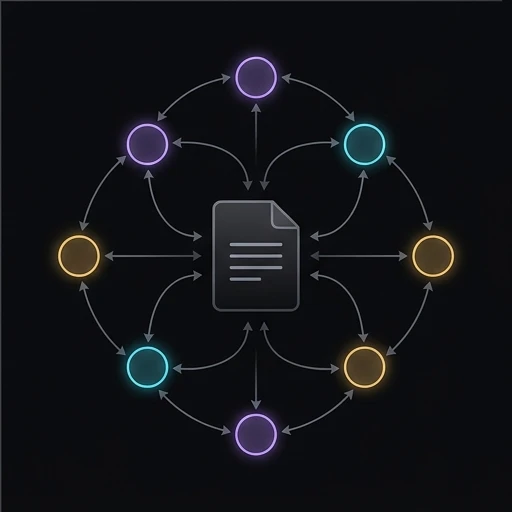
System Architecture: Bear vs Reflect
Analyzing Bear against Reflect reveals divergent system choices. While Bear and Reflect support demanding workloads, their computing models differ fundamentally. Assessing Bear alongside Reflect illuminates software tradeoffs. Between Bear and Reflect, core runtime decisions influence application speed. Evaluating Bear against Reflect confirms system responsiveness under load. Comparing Bear with Reflect validates technical ROI. Choosing Bear or Reflect establishes your technical standard.
Regarding system execution, Bear runs local, whereas Reflect executes hybrid. Comparing Bear alongside Reflect highlights hardware utilization across local devices. While Bear targets macOS, iOS, Reflect supports macOS, iOS. Evaluating Bear against Reflect clarifies day-to-day compute footprints. Between Bear and Reflect, background task handling dictates app smoothness. Testing Bear with Reflect ensures predictable application latency. Choosing Bear or Reflect matches team infrastructure.
In handling application state, Bear centers on Markdown notes you’ll love, whereas Reflect emphasizes Think better with Reflect. Between Bear and Reflect, operational focus dictates user workflows. Comparing Bear alongside Reflect reveals distinct administrative needs. Reviewing Bear against Reflect prevents configuration friction. Testing Bear with Reflect guarantees stable task throughput. Choosing Bear or Reflect shapes daily intellectual output.
Storage Durability and File Access: Bear vs Reflect
Data persistence distinguishes Bear from Reflect fundamentally. For Bear, files reside as Local SQLite database (not .md files on disk), while Reflect adopts Ordinary .md files in daily/, notes/ and assets/ folders the user chooses. Since Bear implements internal databases and Reflect implements plain Markdown files, both tools structure records under opposite philosophies. Between Bear and Reflect, file accessibility influences recovery procedures. Contrasting Bear with Reflect verifies long-term document security. Weighing Bear with Reflect sets storage protocols. Deciding on Bear or Reflect controls information sovereignty.
Record ownership in Bear versus Reflect governs transition complexity. While Bear formats data within Local SQLite database (not .md files on disk), Reflect structures notes inside Ordinary .md files in daily/, notes/ and assets/ folders the user chooses. Examining Bear alongside Reflect safeguards archival records. Choosing between Bear and Reflect avoids vendor database dependency. Benchmarking Bear with Reflect validates backup fidelity. Contrasting Bear against Reflect guarantees autonomous document preservation.
Archival durability separates Bear from Reflect for technical practitioners. With Bear adopting Local SQLite database (not .md files on disk) and Reflect adopting Ordinary .md files in daily/, notes/ and assets/ folders the user chooses, document survival properties diverge significantly. Reviewing Bear against Reflect eliminates vendor obsolescence hazards. Contrasting Bear alongside Reflect explains local encryption standards. Deciding on Bear or Reflect preserves critical intellectual assets.
Writing Ergonomics and Taxonomy: Bear vs Reflect
Knowledge structuring in Bear versus Reflect shapes how ideas connect over time. In associative tagging, Bear departs from Reflect through unique index schemas. While Bear excels in relational mapping, Reflect shines in structured table databases. Choosing Bear over Reflect alters daily thinking habits. Testing Bear with Reflect exposes mental friction points. Contrasting Bear alongside Reflect reveals outline speed. Selecting Bear or Reflect anchors research productivity.
Knowledge management separates Bear from Reflect functionally. In daily notes, Bear and Reflect handle backlinks through opposing paradigms. Deciding between Bear and Reflect guides project planning. Comparing Bear with Reflect validates relational taxonomies. Reviewing Bear against Reflect ensures seamless writing. Weighing Bear alongside Reflect maximizes researcher productivity.
Idea capture speed creates practical differences between Bear and Reflect. While Bear delivers Markdown notes you’ll love, Reflect provides Think better with Reflect. Reviewing Bear against Reflect ensures distraction-free note creation. Comparing Bear alongside Reflect highlights markdown parsing latency. Choosing between Bear and Reflect improves daily typing speed.
Offline Usability: Bear vs Reflect
Working without connectivity marks a foundational difference between Bear and Reflect. In offline modes, Bear and Reflect handle unsaved edits through contrasting architectures. While drafting without internet, Bear behaves distinctly from Reflect regarding local storage caches. Assessing Bear alongside Reflect ensures your documents remain editable anywhere. Between Bear and Reflect, cloud dependency alters remote field work. Contrasting Bear with Reflect protects traveling professionals. Choosing Bear or Reflect maintains offline momentum.
Transit editing reliability sets Bear apart from Reflect during patchy connectivity. In train transit, Bear and Reflect queue file updates through divergent internal mechanisms. Deciding between Bear and Reflect eliminates lost paragraph edits. Comparing Bear alongside Reflect clarifies local search indexes. Reviewing Bear with Reflect protects mobile knowledge workers. Weighing Bear against Reflect maintains continuous document access.
Unplugged performance separates Bear from Reflect during severe power outages. While Bear maintains complete local operations, Reflect adapts through separate sync behaviors. Reviewing Bear alongside Reflect guarantees constant file reading. Testing Bear against Reflect confirms offline tag filtering. Choosing between Bear and Reflect maintains productivity during emergencies.
Device Compatibility and Ecosystem: Bear vs Reflect
Platform availability distinguishes Bear from Reflect for mixed computing environments. Where Bear accommodates macOS, iOS, Reflect accommodates macOS, iOS. Since Bear behaves distinctly from Reflect, procurement leads review hardware compatibility. Assessing Bear with Reflect guarantees uninterrupted user handoffs. Between Bear and Reflect, operating system integrations influence notification handling. Contrasting Bear against Reflect streamlines endpoint rollout. Deciding on Bear or Reflect satisfies technical requirements.
System resource footprint in Bear versus Reflect affects battery longevity. On laptop hardware, Bear and Reflect utilize divergent background services. Selecting between Bear and Reflect eliminates compatibility headaches. Contrasting Bear with Reflect explains tablet companion capabilities. Assessing Bear against Reflect guarantees stable operating conditions. Testing Bear alongside Reflect preserves laptop battery life.
Utility interoperability sets Bear apart from Reflect across modern software suites. As Bear synchronizes with tools on macOS, iOS, Reflect interacts with services across macOS, iOS. Reviewing Bear against Reflect confirms software stack synergy. Comparing Bear alongside Reflect eliminates brittle plugin configurations. Deciding on Bear or Reflect concludes your workstation audit.
Core Capabilities and Functional Advantages: Bear vs Reflect
Key functional edges distinguish Bear from Reflect across common user workflows. Specifically, Bear excels with Beautifully polished, native writing experience on Mac, iPhone and iPad, whereas Reflect counters with Free and MIT-licensed on Mac, with plain .md files, backlinks and daily notes. Reviewing Bear against Reflect clarifies distinct software value propositions. Between Bear and Reflect, unique selling points attract specific personas. Evaluating Bear alongside Reflect ensures appropriate tooling choices. Choosing Bear or Reflect unlocks specialized capabilities.
Workflow acceleration marks a major difference between Bear and Reflect. In daily task execution, Bear and Reflect remove friction from contrasting operational steps. Selecting between Bear and Reflect aligns software with organizational cadence. Contrasting Bear with Reflect reveals editing agility. Assessing Bear alongside Reflect prevents unnecessary administrative drag. Testing Bear against Reflect improves output quality.
Performance highlights distinguish Bear from Reflect when managing large knowledge bases. While Bear excels with its architecture, Reflect provides specialized tools for its user base. Assessing Bear against Reflect reveals unique workflow shortcuts. Comparing Bear with Reflect ensures you capitalize on each tool’s best capabilities. Choosing Bear or Reflect unlocks daily productivity gains.
Known Trade-Offs: Bear vs Reflect
Structural trade-offs distinguish Bear from Reflect in enterprise deployments. Specifically, Bear encounters limits around Apple-only: no Windows or Android, whereas Reflect shows boundaries around AI, including transcription and meeting summaries, needs your own paid cloud API key. Reviewing Bear against Reflect establishes balanced technical evaluations. Between Bear and Reflect, known weaknesses dictate backup and maintenance workflows. Evaluating Bear alongside Reflect avoids deployment regrets. Deciding on Bear or Reflect ensures manageable software administration.
Engineering compromises divide Bear from Reflect in operational scale. In heavy databases, Bear and Reflect experience different scaling bottlenecks. Deciding between Bear and Reflect minimizes administrative maintenance. Comparing Bear with Reflect validates backup complexity. Reviewing Bear against Reflect manages team frustrations. Weighing Bear alongside Reflect maintains software health.
Administrative complexity sets Bear apart from Reflect for self-reliant professionals. In managing sync and software upgrades, Bear and Reflect impose different regular chores. Assessing Bear alongside Reflect prevents software maintenance burnout. Comparing Bear against Reflect validates update reliability. Choosing Bear or Reflect keeps system upkeep painless.
Cost Comparison and Subscription Plans: Bear vs Reflect
Fee structures distinguish Bear from Reflect across corporate licensing cycles. Where Bear provides Free tier (no replication) and commercial packages from $2.99/month or $29.99/year, Reflect maintains Reflect Open is free and open source on Mac (MIT) and packages starting at Paid subscription, price set per region through the App Store. Calculating total expenditures for Bear versus Reflect requires modeling feature usage over two-year spans. Evaluating Bear against Reflect ensures fiscal transparency. Between Bear and Reflect, licensing metrics influence seat provisioning. Contrasting Bear with Reflect avoids hidden platform fees. Choosing Bear or Reflect establishes predictable software overhead.
Annual budget curves separate Bear from Reflect across headcount growth phases. When budgeting for new hires, Bear and Reflect generate contrasting expense models. Deciding between Bear and Reflect prevents sudden IT budget overruns. Comparing Bear alongside Reflect verifies seat expansion discounts. Reviewing Bear with Reflect ensures predictable procurement. Weighing Bear against Reflect guarantees high ROI per team member.
Complete cost modeling separates Bear from Reflect when including complementary tooling. Whereas Bear pricing includes fundamental tools, Reflect bundles distinct functionalities in its plans. Reviewing Bear alongside Reflect guides multi-year capital allocation. Contrasting Bear with Reflect assures clear software ROI. Deciding on Bear or Reflect maintains fiscally sound operations.
Definitive Verdict: Bear vs Reflect
Choosing between Bear and Reflect rests on your central workflow objectives. Pick Bear if you need local processing, focus on Beautifully polished, native writing experience on Mac, iPhone and iPad, and desire local sqlite database (not .md files on disk). Pick Reflect if you need hybrid processing, focus on Free and MIT-licensed on Mac, with plain .md files, backlinks and daily notes, and desire ordinary .md files in daily/, notes/ and assets/ folders the user chooses. Evaluating Bear against Reflect using typical working documents demonstrates your ideal software stack. Between Bear and Reflect, testing both apps highlights day-to-day efficiencies. Comparing Bear with Reflect across one full week identifies the superior fit. Selecting Bear or Reflect finalizes your software migration.
Final assessment between Bear and Reflect confirms your daily operational stack. In routine work, Bear and Reflect deliver contrasting user experiences. Evaluating Bear against Reflect prevents future platform migrations. Comparing Bear with Reflect guarantees workflow satisfaction. Reviewing Bear alongside Reflect concludes your technical evaluation. Choosing Bear or Reflect anchors your team workflow.
Adopting either Bear or Reflect establishes the operational cadence of your digital workstation. While Bear demonstrates mastery in its technical paradigm, Reflect leads in its chosen operational model. Evaluating Bear with Reflect guarantees complete synergy with your research habits. Piloting Bear alongside Reflect confirms the optimal user interface choice. Deciding on Bear or Reflect ensures long-term software fulfillment.
In testing Bear alongside Reflect, practical document trials establish workflow clarity. Placing project notes into Bear and Reflect reveals day-to-day writing dynamics. Reviewing Bear against Reflect confirms software responsiveness across routine editing. Between Bear and Reflect, authoring speed determines team satisfaction. Evaluating Bear with Reflect eliminates adoption uncertainty. Deciding on Bear or Reflect provides an ideal workspace baseline.
Moving forward with either Bear or Reflect gives your team a clear path toward structured knowledge management. While Bear excels in its specialized operational envelope, Reflect delivers robust utility across its focus areas. Assessing Bear against Reflect confirms that your digital infrastructure aligns with your privacy and productivity standards. Between Bear and Reflect, both options provide modern capabilities for demanding operators. Evaluating Bear alongside Reflect provides complete peace of mind. Choosing Bear or Reflect sets your team up for lasting success.
Where Oyma Fits In
Comparing Bear and Reflect demonstrates divergent design goals. If you require more privacy than Bear or Reflect, Oyma stores notes locally on disk.
Questions
How do Bear and Reflect differ in storage?
Evaluating Bear alongside Reflect demonstrates different custody models, whereas Oyma avoids database lock-in on Mac.
Can Bear and Reflect run offline?
Compared to Bear and Reflect, Oyma provides complete offline writing, whereas Bear and Reflect apply separate offline rules.
How does pricing compare between Bear and Reflect?
Between Bear and Reflect, licensing models establish distinct commercial tiers, while Oyma has no recurring subscriptions.
How does Oyma differ from Bear and Reflect?
Compared to Bear and Reflect, Oyma stores Mac notes locally, whereas Bear and Reflect use different storage paradigms.

Try Oyma alongside Bear and Reflect
A private, local-first macOS alternative to Bear and Reflect.